

Introduction: More Than a Cosmetic Concern
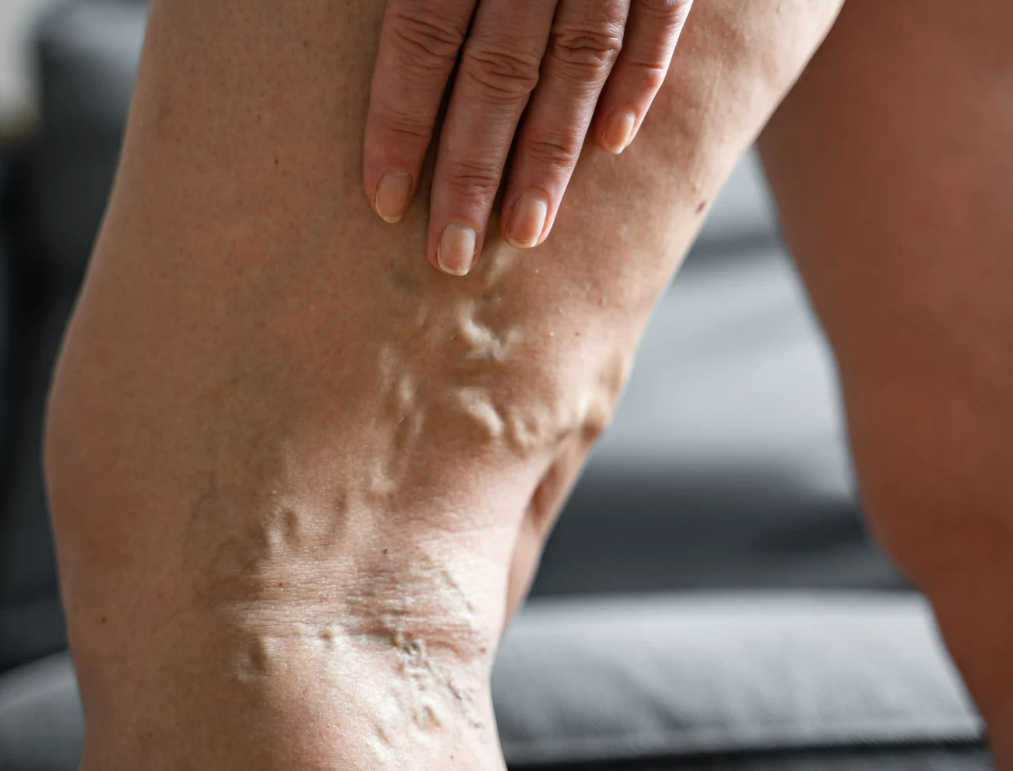
People often associate varicose veins only with their public symptoms. These twisted and swollen veins, which are clearly visible under the skin, are often thought to be a minor nuisance caused by aging, or a cosmetic issue.
However, varicose veins affect millions more people than just their appearance. Varicose veins obstruct people’s ability to function normally, affect their mobility, and destroy their confidence and affect their mental and emotional well-being.
When vein disease is discussed in a medical context, the traditional focus is on problems with blood flow and the vascular system. Then, the physical symptoms that affect a person, such as swelling, aching, and the feeling of heaviness and fatigue are discussed.
While these are considerable, the long term effects of vein disease on mental health are often ignored and overlooked. Because of the ongoing symptoms and effects caused by vein disease, people experience a great deal of mental frustration, loss of social engagement, and in some cases, even depression.
Mental health and physical health are now more integrated in medical practice, and have facilitated the delivery of varicose vein treatment that combines physical medicine and a caring approach to mental health.
It also improves patient and practitioner engagement for treatment of varicose veins, as people better understand the emotional and mental distress for patients that is caused by the condition.
Understanding Varicose Veins and Their Physical Effects.
Varicose veins are a perfect example of the principle of a medical condition that is worse than your typical broken or injured part of the body because of its effects on mobility. Varicose veins damage physical function by damaging the veins and become more pronounced by blood flow because of blood pooling.
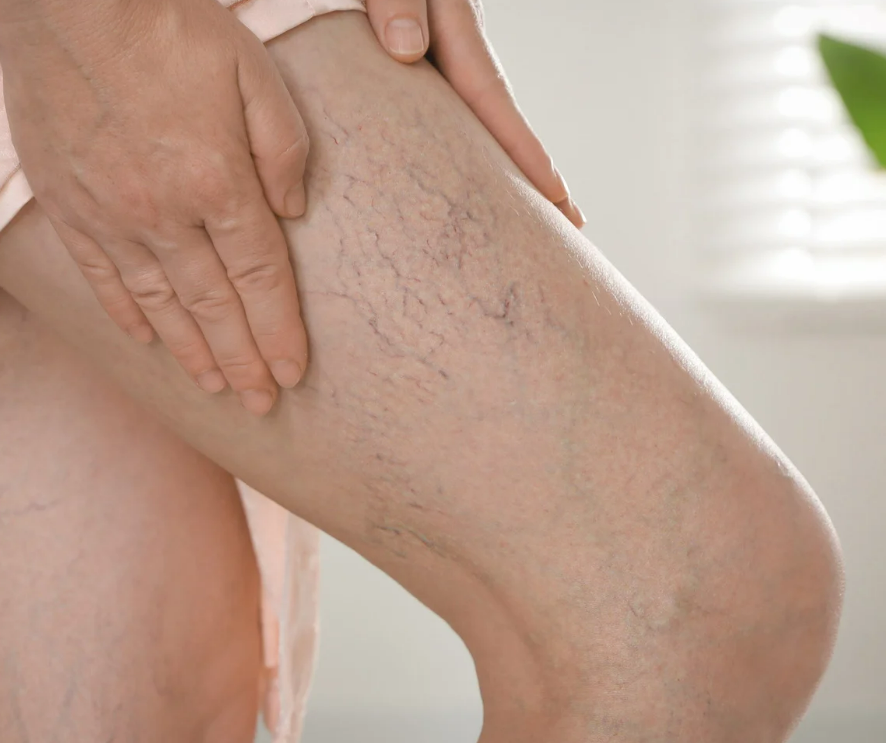
While veins normally have a mechanism to enable blood to flow back toward the heart, this mechanism can fail thereby enabling blood to flow back toward the heart. Once this happens, blood can begin to pool in the veins themselves.
While superficially few symptoms indicate the presence of varicose veins, the pain can be physically torturous. Leg pain can be described as achy and throbbing. Symptoms include swelling in the ankles, clotting muscles, as well as a constant feeling of fatigue and itchiness.
Symptoms can be exacerbated by standing or sitting for long periods of time, causing difficulties with work and exercise and hindering your ability to enjoy other activities.
The long-term effects of untreated vein disease can result in skin damage and chronic venous insufficiency. The treatment-resistant nature of the disease can cause even more challenges beyond irritating physical pain.
Chronic conditions can take a toll on your mental health. This is especially true for varicose veins. The chronic nature of the disease can have a direct impact on your mood and mental stress.
Constant symptoms can limit your ability to perform daily activities. Even the most basic activities can start to require a high degree of planning. Over time, it can result in a feeling of being constantly restless and lose the motivation to make the effort to perform them.
Not knowing when symptoms will return is frustrating. It can even affect your productivity for work, your family obligations, and your social life due to chronic pains for an undetermined amount of time.
It can be a source of stress. It is especially true when others see the condition and dismiss it as a minor condition. They are frequently unaware of the debilitating condition it can be.
Self-Image and Body Confidence
One common psychological effect of varicose veins is the impact on one’s self-image. Prominent or widespread varicose veins heavily affect people’s feelings about their appearance. For many, the concern about their looks makes them feel self-conscious in social situations.
Activities such as swimming, wearing shorts or summer dresses, and participating in summer events can become sources of anxiety instead of fun. People may choose to wear clothing to conceal their legs, even if that clothing choice is uncomfortable.
This issue is not gender-specific, but is more likely to be reported by women, perhaps due to social expectations of women’s appearance. Avoiding activities that were once fun due to visible varicose veins can lead to a further decline in self-confidence.
The Relationship Between Chronic Pain and Mental Health
A strong relationship between chronic pain and mental health has been established for a long time. Pain can alter emotional balance and mental health by increasing anxiety and/or depression.
Varicose veins may not be overly painful, but the constant aching, heaviness, and fatigue can affect mental state. Emotional strength can be eroded if the discomfort is constant.
Sleep can also be adversely affected. Many people experience varicose leg pain and throbbing restlessness while trying to fall asleep. When people can’t sleep well, it can worsen their mood and negatively impact their mental state.
Chronic symptoms and mental health can impact each other and create a cycle in which symptoms cause associated psychological discomfort, which can heighten awareness of symptoms.
Social Withdrawal and Lack of Engagement
Social withdrawal is another of the more commonly underappreciated effects of vein disease. Those who are uncomfortable or self-conscious about their condition begin to avoid situations that are likely to require standing and walking or that are likely to draw attention to their condition.
Family gatherings and vacations and participation in recreational sports, fitness, and even social outdoor fun can be less appealing if their symptoms are likely to worsen during those events. Many people even avoid or alter the invitation.
While the above examples may seem trivial, they can lead to an even more serious and significant loss of social connection and physical activity over time. Social withdrawal and lack of physical activity worsens depression and dissatisfaction with life.
Emotional wellbeing depends on social connection, which is why maintaining social connection is so important. This value is why we need to address the issues that prevent participation.
Workplace Issues and Psychological Stress
For many people, varicose veins create working issues. Jobs that require standing for long periods of time like teaching, the various healthcare professions, retail, restaurants, and manufacturing, can be a strain on the venous system.
The discomfort that worsens may cause people to be less focused and less productive. People may find themselves constantly changing positions and looking for opportunities to sit. They may even be in discomfort throughout the day.
Stress and emotional exhaustion can make working with symptoms more challenging. Some resist seeking help for their symptoms because they think others will see them as weak. Their perception leads them to suffer in silence.
Poor vein health might create challenges in the workplace. Improving vein health could reduce the challenges caused by a poor working environment.
Why Should Mental Health Be Considered in Vein Care?
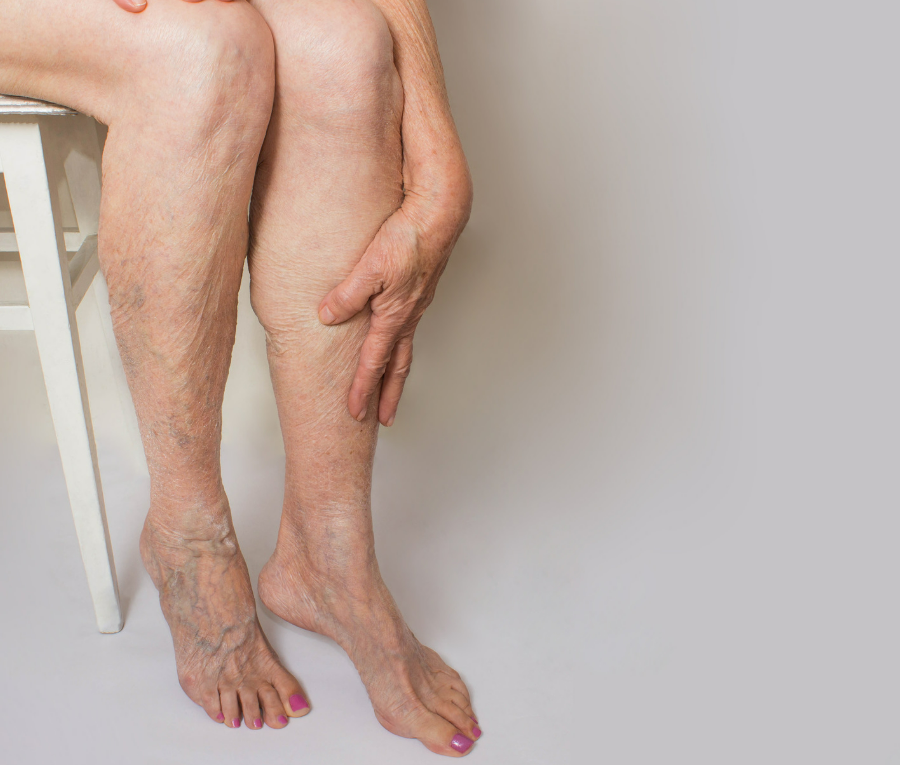
More of modern healthcare understands the need to connect mental and physical health. Therapy should be more than remedying the physical symptoms and the medical issue. It should include the effects on the emotional health of that patient.
Discussing mental health, and especially the emotional effects caused by having varicose veins, is integral to health in the case of varicose veins. Feelings of frustration and embarrassment, as well as anxiety and a loss of self-confidence, should be acknowledged, as they are viable.
If healthcare professionals consider the emotional effects of the condition, they can create a better care plan that provides the patient with a greater chance of a positive outcome.
Many patients with chronic conditions, such as varicose veins, find that knowing their condition is normal and that their emotional response is, in fact, an understandable response to a chronic condition, is validating and empowers them.
Life Changing Impact of Modern Vein Care
Modern medicine has seen a step-change in treatment for varicose veins. Today, there is a huge range of minimally invasive procedures that treat the underlying circulation and vein health issues in a more effective and less symptomatic and more aesthetically pleasing way.
Patients have found a huge variety of positive impacts that go well beyond the physical. Discomfort reduction has improved patients’ mobility and sleep while also positively enhancing patients’ self-confidence and engagement in previously avoided activities.
Improving emotional health and physical symptoms can come from addressing the causes of vein disease.
Those who are tired of dealing with frustrating symptoms may benefit from personalized vein care from Taylor Vein Solutions to better understand available treatment options and develop an individualized care plan.
People do not seek vein treatment to simply improve a physical feature; they seek it to improve the way that they feel and restore their quality of life.
Confidence Through Action and Awareness
In addition to physical symptoms, vein disease has emotional dimension that can be alleviated with education. Knowing that having varicose veins is a medical condition mitigates the inclination to feel embarrassed or blame oneself.
Maintaining healthy habits, including remaining active, and seeking medical care when symptoms present gives patients a feeling of empowerment. The emotional and psychological benefits of improved vein health can be achieved with small steps.
The emotional and psychological benefits of improved vein health can be supported by loved ones and medical care professionals throughout the treatment process.
The existence of effective treatments is one way to mitigate the emotional and physical manifestations of vein disease.
Conclusion: Treating the Whole Person, Not Just the Veins
The existence of effective treatments is one way to mitigate the emotional and physical manifestations of vein disease.
Developing a more empathetic and holistic form of healthcare begins with appreciation and understanding of the psychological impact of living with varicose veins.
Comprehension of the impact of varicose veins that integrate the physical and psychological helps patients and caregivers achieve a productive partnership.
Contemporary treatment of veins provides valid treatment for the physical symptoms of poor circulation and modern treatment helps the patient living with varicose veins and facilitates the restoration of a more positive and engaged approach to overall health.
Care of veins in a holistic manner and addressing patients and problems beyond the symptoms that are visible provides a positive impact that may extend beyond the patients legs.