

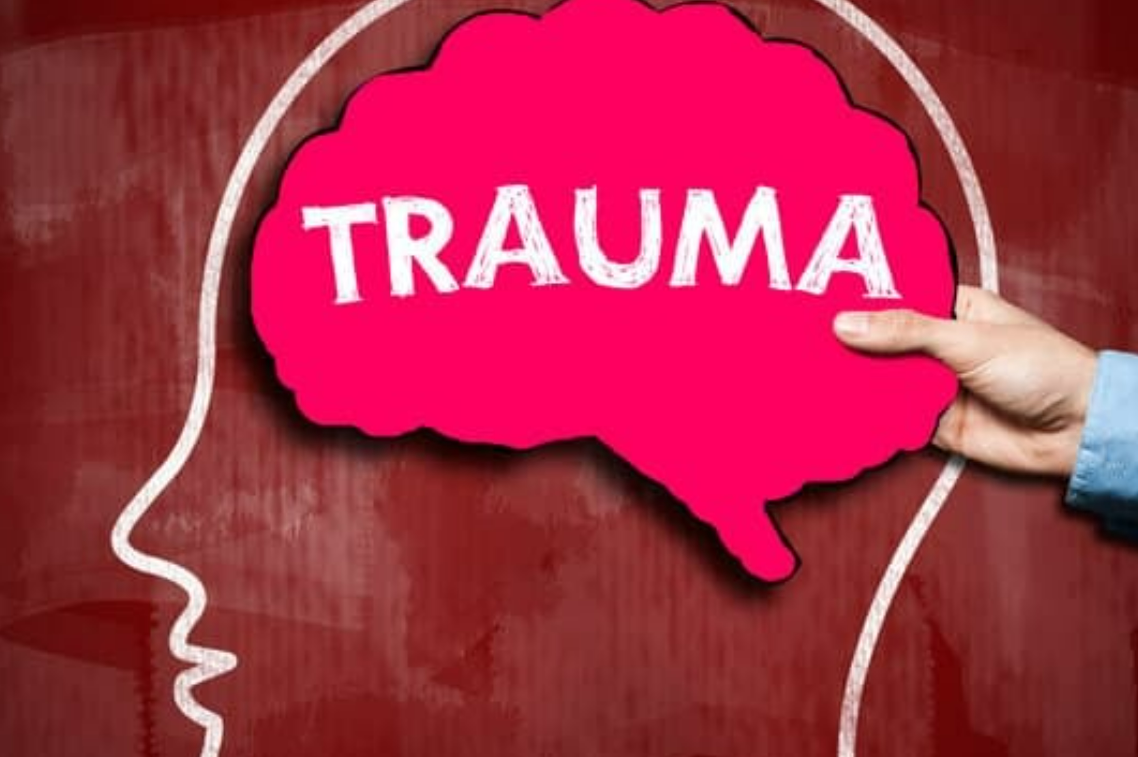
Why Car Accidents Are Psychologically Unique
Car accidents are not only physical events, they are also intense psychological shocks that can significantly affect how the brain processes information. They happen suddenly, often without warning, and can overwhelm the nervous system in a matter of seconds.
From a psychological perspective, traumatic events like car accidents are important because they activate deep survival mechanisms in the brain. Researchers in cognitive and clinical psychology study these reactions to better understand how memory, emotion, and perception change under extreme stress. The way the brain responds in these moments is very different from how it handles routine, everyday experiences.
The Brain’s Immediate Response: Fight-or-Flight Activation
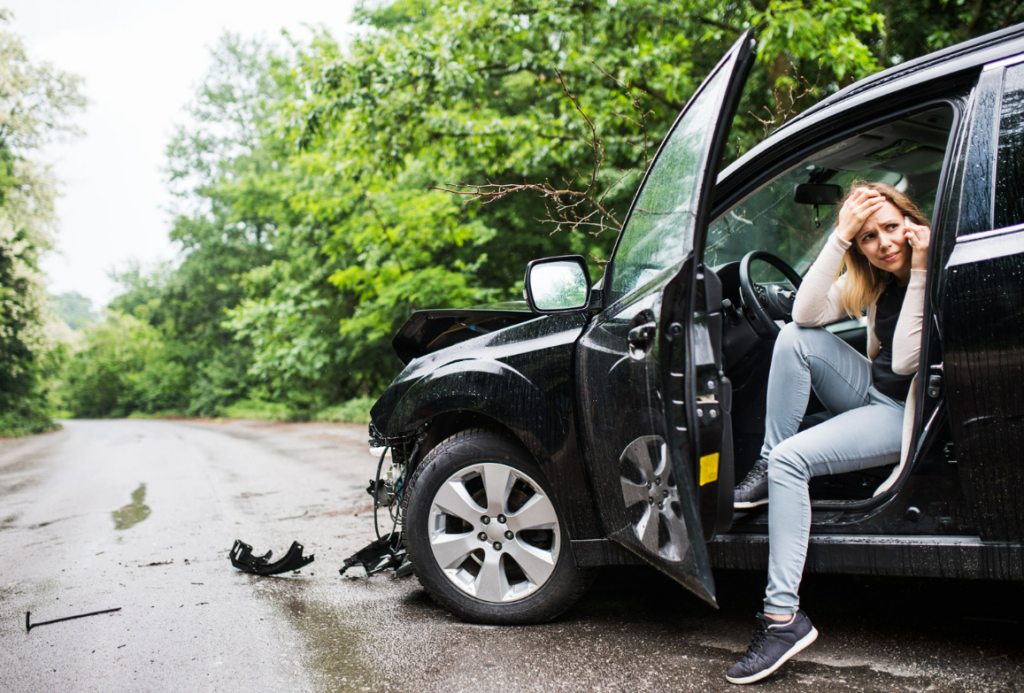
When a car accident occurs, the brain rapidly activates the fight-or-flight response. This reaction is controlled primarily by the amygdala, which detects danger, and the hypothalamus, which signals the release of stress hormones.
In this state, the body experiences a surge of adrenaline and cortisol. Heart rate increases, breathing becomes faster, and muscles tense in preparation for immediate action. This response is designed to maximize survival in life-threatening situations.
At the same time, the brain temporarily reduces activity in areas responsible for higher reasoning and long-term planning, such as the prefrontal cortex. This shift prioritizes immediate survival over rational decision-making, which is why people often describe feeling “on autopilot” during accidents.
How Memory Is Formed During High-Stress Events
High-stress situations like car accidents can significantly affect how memories are formed and stored. The hippocampus, which plays a key role in memory consolidation, does not function in a typical way under extreme stress.
As a result, memories of accidents are often fragmented. Some details may be extremely vivid, while others may be missing entirely. Emotional intensity can strengthen certain sensory impressions (such as sounds or visual flashes) while other aspects of the event may not be encoded clearly.
Time perception may also become distorted. Many individuals report that accidents felt either slowed down or happened in an instant. These inconsistencies are a normal result of how the brain processes overwhelming sensory input during trauma.
Why Some People Feel “Detached” During Accidents
Another common psychological response during traumatic events is dissociation. This is a protective mechanism in which the brain creates a sense of emotional or physical detachment from what is happening.
People experiencing dissociation may feel as though they are observing the event from outside their body or that the situation is not entirely real. Others report emotional numbness or a sense that time has slowed down or become distorted.
Although this can feel unsettling in hindsight, dissociation is a normal coping response. It helps reduce emotional overload during extreme stress and allows a person to function in situations that would otherwise be overwhelming.
Emotional Aftermath: Shock, Anxiety, and Early Trauma Responses
Once the immediate danger has passed, the body and mind begin to process what happened. This phase is often marked by shock, confusion, and emotional exhaustion. Many individuals feel physically drained due to the intense release of stress hormones during the accident.
In the hours or days following the event, it is common to experience intrusive thoughts or repeated mental “replays” of the accident. Sleep disturbances, irritability, and heightened anxiety may also occur. Some individuals become unusually sensitive to sounds or sudden movements.
These reactions are part of the brain’s early attempt to process trauma. While they can be distressing, they are often temporary and may gradually decrease as the nervous system stabilizes.
Cognitive Effects in the Days and Weeks After the Event
Traumatic events can also have lingering cognitive effects. Some individuals report difficulty concentrating, mental fog, or short-term memory issues in the days following an accident.
Avoidance behavior is also common. A person may feel uncomfortable driving again or may avoid places, sounds, or situations that remind them of the crash. This is the brain’s way of trying to protect itself from perceived danger.
The nervous system may remain in a heightened state of alert for some time, even when no immediate threat is present. This can lead to irritability, restlessness, and an exaggerated startle response.
Recovery, Coping, and Support Systems
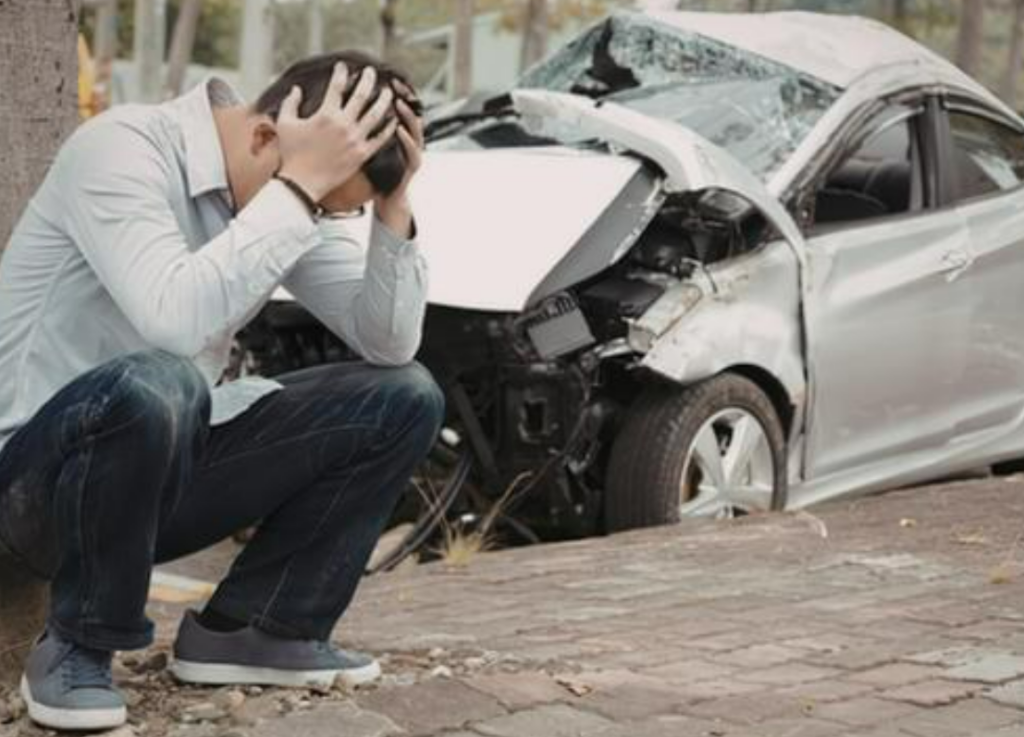
Recovery from a traumatic event is both a psychological and practical process. Many individuals benefit from support systems that help them regain emotional stability and rebuild a sense of normalcy. This may include therapy, medical care, family support, or structured coping strategies such as gradual exposure to avoided situations.
In cases involving severe crashes and ongoing psychological or practical challenges, some individuals may also come across resources such as car accident lawyers in Phoenix while navigating the broader recovery process after a traumatic event.
These types of support systems address different aspects of recovery, including psychological healing, physical rehabilitation, and practical decision-making, each of which can play a role in long-term adjustment after trauma.
When Trauma Responses May Develop Into PTSD
While many people recover from the psychological effects of a car accident over time, some individuals may develop longer-term conditions such as post-traumatic stress disorder (PTSD).
Symptoms of PTSD may include intrusive memories, flashbacks, avoidance of reminders of the event, emotional numbing, and persistent hypervigilance. These symptoms can interfere with daily functioning and may persist long after the initial trauma.
The likelihood of developing PTSD depends on many factors, including the severity of the accident, prior mental health history, and the availability of support after the event.
Conclusion: Why Understanding the Brain Matters After Trauma
Understanding how the brain processes traumatic events like car accidents provides valuable insight into human behavior under extreme stress. Reactions such as memory gaps, emotional numbness, and anxiety are not signs of weakness, they are normal neurological responses to overwhelming situations.
By recognizing how the brain responds to trauma, it becomes easier to understand both immediate reactions and long-term psychological effects. This awareness can also support better empathy and more informed approaches to recovery and mental health after traumatic experiences.