

Low vision profoundly affects confidence, independence, and emotional well-being by limiting what people can do in their daily lives. Understanding the psychological impact of low vision is essential for recognizing how adaptation occurs through both mindset and tools. By exploring how individuals adjust and what supports their empowerment, we can better appreciate the resilience found in the low vision community.
Low vision is a significant, permanent reduction in vision that cannot be fully corrected by standard glasses, contact lenses, medication, or surgery.
This condition goes beyond physical symptoms and often results in a lowered sense of independence and changes in self-concept.
During the initial adjustment period, people commonly feel uncertainty, frustration, and a loss of control over their routines.
External resources such as mobility aids and adaptive eyewear for low vision play a valuable role, but emotional adaptation is equally crucial.
For many, low vision glasses can become part of rebuilding autonomy as they learn to navigate familiar spaces in new ways.
The way people perceive themselves and respond to new challenges can shape their mental health as much as any device or strategy.
Emotional Challenges and Psychological Consequences of Low Vision
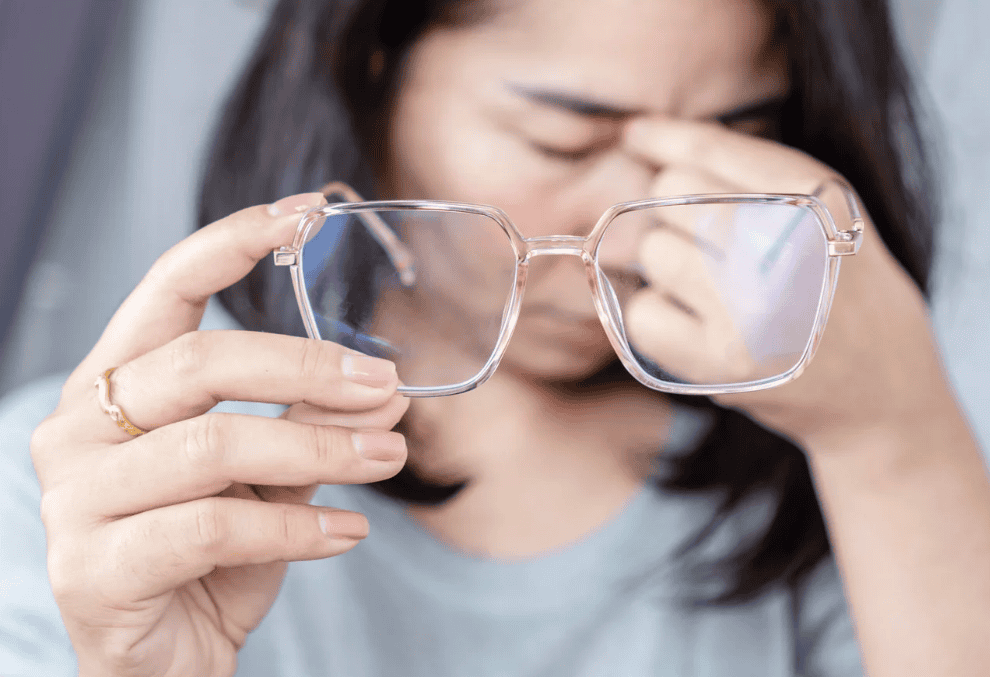
Low vision often results in a profound emotional impact, including anxiety, frustration, and withdrawal from once-familiar tasks.
When daily activities require more effort or seem impossible, self-confidence may decline, and individuals may struggle to maintain motivation and social connections.
For some, glasses for people with low vision provide practical support that reduces stress during routine activities.
This sense of loss is often compounded by worries about safety, mobility, and the future.
Unpredictable changes in how a person navigates their world can create ongoing stress, which may in turn influence mental health, manifesting as depression or heightened anxiety.
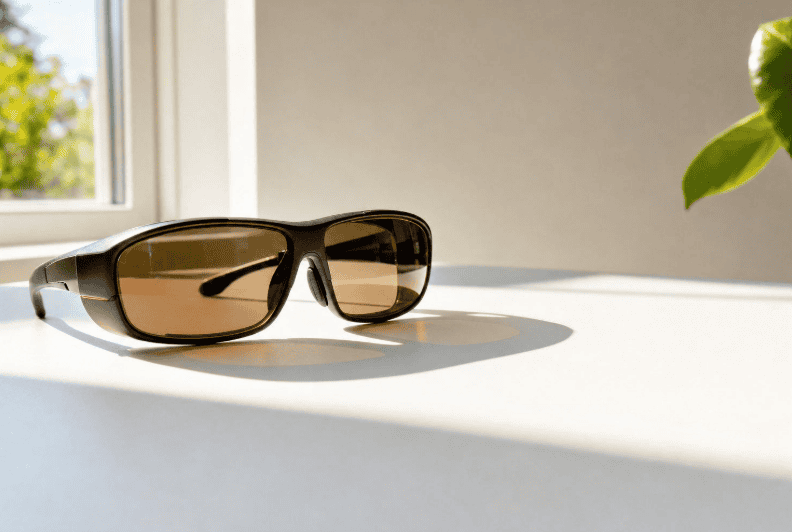
In certain situations, low vision sunglasses can help manage glare and reduce one source of daily frustration.
Social withdrawal is a common response, as some individuals may avoid outings and group activities to prevent embarrassment or perceived inconvenience.
Over time, reduced participation and isolation can reinforce negative beliefs, making psychological adaptation even harder.
Having reliable sunglasses for low vision may make outdoor gatherings feel more manageable and less intimidating.
Coping with the changes brought by low vision requires acknowledging these feelings and seeking support through counseling, peer groups, or open communication with loved ones.
Addressing the emotional aftermath is essential to prevent the development of chronic stress or learned helplessness. Choosing low vision glasses that suit specific tasks can also ease the mental burden of constantly compensating.
The grieving process associated with vision loss often mirrors the stages experienced with other significant life changes, including denial, anger, bargaining, and eventual acceptance.
Many individuals report feeling as though they’ve lost a part of their identity, particularly if their profession or hobbies were visually dependent. This identity crisis can lead to questioning one’s purpose and value, creating a cycle of negative self-perception.
Professional psychological support, combined with practical rehabilitation services, can help individuals reframe their situation and recognize that adaptation doesn’t mean giving up on meaningful activities, but rather finding new ways to engage with them through modified approaches and assistive technology.
Adaptive Tools and Strategies for Empowerment
While the emotional journey matters deeply, concrete adaptive tools like low vision glasses, white canes, and text-to-speech technology are central to reclaiming independence.
Matching the right device or technique to an individual’s lifestyle allows for practical victories that support positive adjustment.
Developers such as NoIR Insight offer specialized solutions, for example, tailored sunglasses for low vision for different lighting conditions.
These products not only address functional barriers but can bolster a sense of control and facilitate smoother participation in community life.
Even small adaptations, such as using digital magnifiers for reading or experimenting with various low vision glasses, help individuals maintain a sense of competence.
Over time, the consistent use of these aids can improve self-efficacy and inspire greater confidence in tackling new activities.
Giving people a choice in selecting and adjusting their adaptive tools strengthens their sense of agency.
Learning how to use devices, often with support from professionals, families, or peers, translates to increased autonomy and a renewed belief in personal capability despite vision loss.
For many, glasses for people with low vision are most effective when paired with training that fits their daily routines.
Beyond physical devices, cognitive strategies play an equally important role in successful adaptation to low vision.
Memory techniques, organizational systems, and environmental modifications work in tandem with tools like magnifiers and specialized eyewear to create comprehensive solutions.
For instance, establishing consistent placement of household items reduces the cognitive load of searching, while high-contrast labeling systems make identification easier.
Many people discover that combining multiple strategies, such as using audio labels alongside tactile markers and appropriate lighting adjustments, creates redundancy that increases confidence and reduces frustration.
Training programs that teach these complementary approaches alongside device usage tend to produce better long-term outcomes than focusing on equipment alone.
Social Environment and The Process of Adjustment
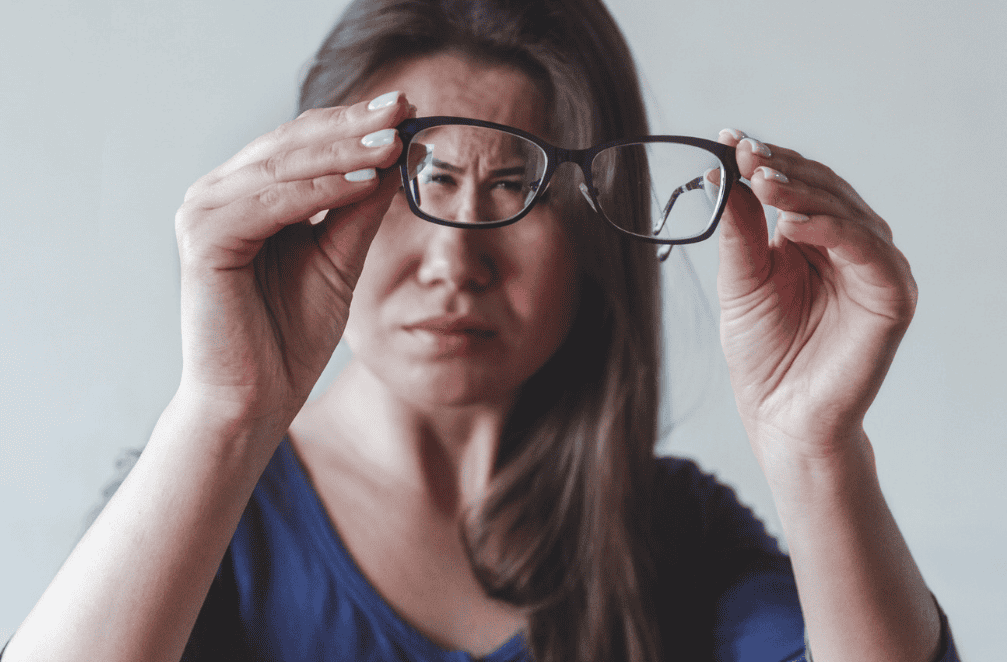
The attitudes of peers, family, and educators significantly shape how people with low vision adjust.
Encouragement and practical support can create environments where the use of adaptive tools seems routine, not stigmatizing, and resourcefulness is respected.
Someone who feels supported when using their low vision sunglasses at school or work is more likely to remain engaged and to experiment with new aids.
In contrast, fear of judgment or being misunderstood may prevent the use of helpful devices, stifling both emotional and practical progress.
Collaborative problem-solving, whether discussing needs with teachers or adapting household routines with family, ensures that the person’s lived experience guides solutions.
This inclusive approach embeds empowerment at every stage of adaptation.
Early, consistent use of best-fit tools, such as adaptive eyewear or reading apps, leads to more successful adaptation.
Positive social settings further reinforce these strategies, allowing individuals to regain confidence and act on their goals despite the challenges posed by low vision.
Resilience and Growth Through Adaptation
Over time, psychological adaptation often transforms what starts as loss into opportunities for growth.
Each milestone, navigating an unfamiliar route, reading independently with digital technology, or confidently joining a social event, reflects growing resilience.
For some, glasses for people with low vision support these milestones by making everyday tasks feel achievable again.
This resilience is supported by a combination of adaptive technology and a mindset focused on learning and self-advocacy. People who become invested in their adaptation and harness available tools are more likely to overcome setbacks and sustain their motivation.
Seeing progress, such as safely using a cane in busy environments or benefiting from sunglasses for low vision on a bright day, reduces anxiety and boosts participation.
Being able to acknowledge challenges while still taking steps forward is a marker of psychological strength.
Ultimately, focusing on the psychological impact of low vision reveals not just the difficulties faced, but also the possibility of empowerment and meaningful adaptation through proactive strategies, helpful technology, and supportive communities.