

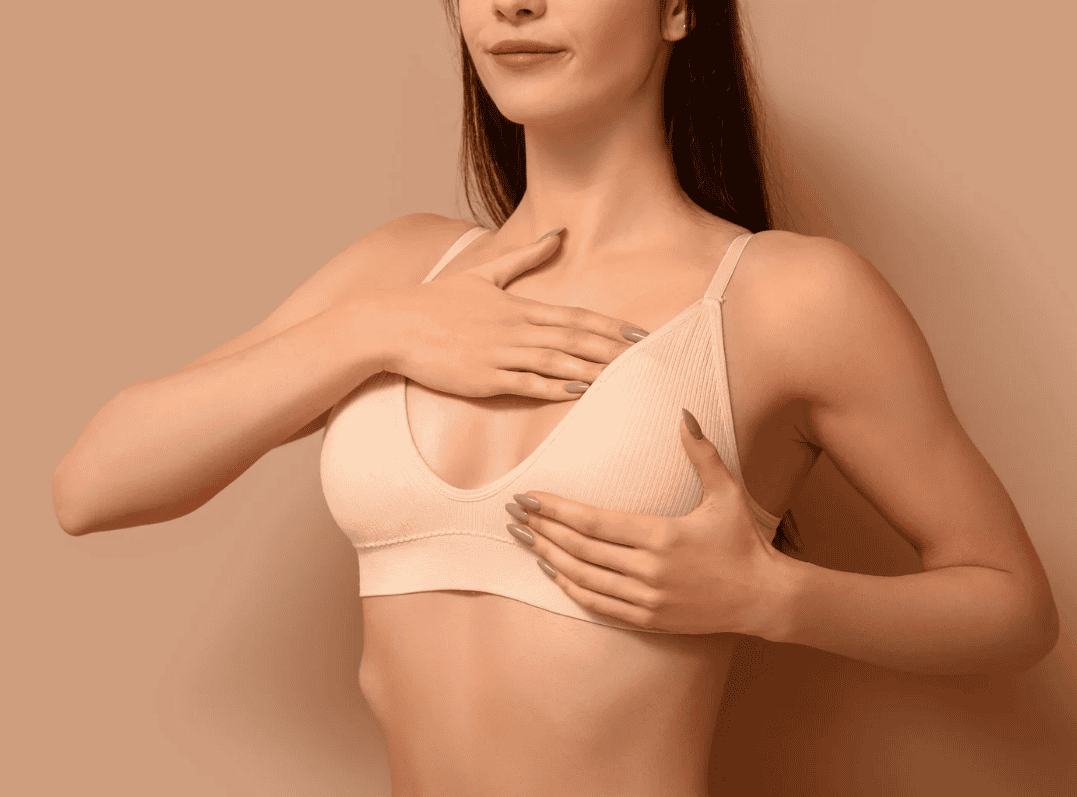
Think about the breast augmentation results you might have pictured ten or fifteen years ago — often oversized, stiff-looking, and impossible to miss. Now think about what you see today. Something has shifted, and if you’ve noticed it, you’re not imagining things.
Women in cities like Orlando are walking out of consultations with results that genuinely look like them, only more proportional, more confident, more naturally beautiful.
So what changed? The answer is a combination of smarter implant technology, refined surgical techniques, and a whole new philosophy around what “enhancement” actually means.
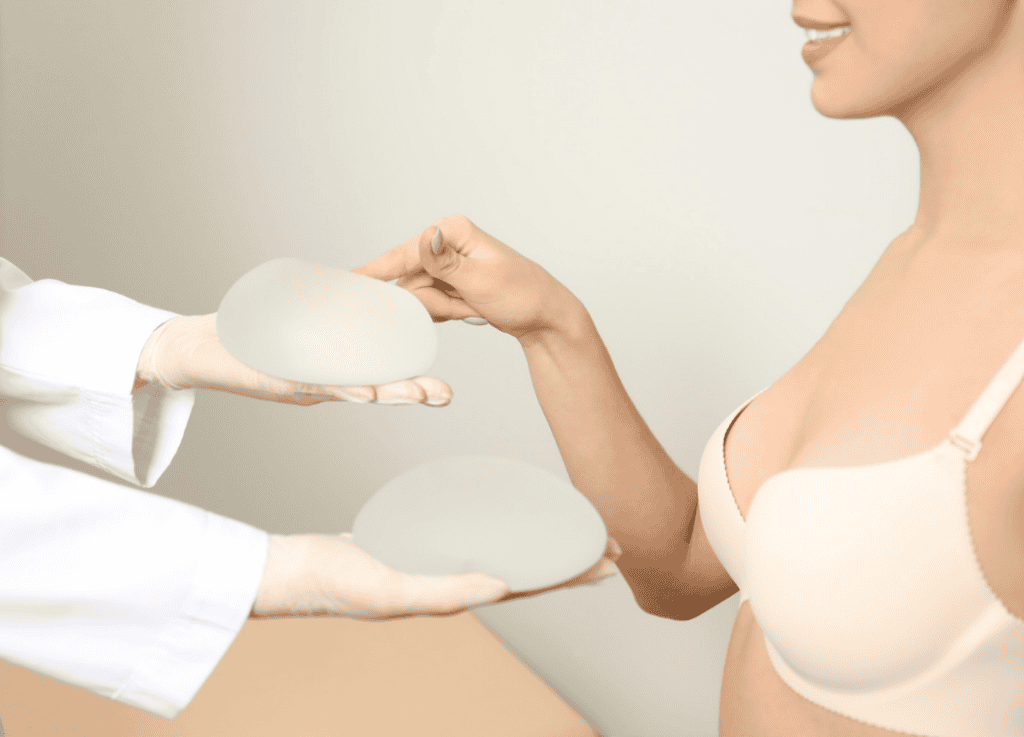
The Aesthetic Has Fundamentally Shifted
For a long time, “bigger” was the dominant goal in breast augmentation. Today, that mindset has quietly been replaced by something more nuanced: results that fit the person, not just fill a bra.
Patients are asking for natural movement, a shape that makes sense for their frame, and outcomes that don’t announce themselves in a room.
This shift isn’t just anecdotal. According to the American Society of Plastic Surgeons, 306,196 breast augmentation procedures were performed in the U.S. in 2024 — with the clearest trend being a decisive move toward smaller, more proportionate implants that deliver natural-looking outcomes.
The era of the dramatic overhaul is giving way to the era of thoughtful enhancement.
Implant Technology Has Come a Long Way
One of the biggest reasons results look so much better today is what’s actually inside the implant. Earlier generations of silicone implants were prone to unnatural firmness, visible rippling, or a shape that didn’t move the way real breast tissue does. Modern implants — especially the latest cohesive gel designs — behave entirely differently.
Implants like Motiva’s Ergonomix line use what’s called TrueTissue Technology: the implant adapts its shape based on position and gravity. It rounds out when lying down, transitions to a soft teardrop when standing.
That dynamic movement is a huge part of why today’s results don’t have the “implanted” look of the past. The implant responds to the body rather than sitting in it as a fixed object.
Many modern practices have embraced this newer generation of technology, offering patients access to implants that are genuinely engineered around natural aesthetics—not just volume.
Surgical Technique Is Just as Important as the Implant
Even the best implant in the wrong hands won’t produce a natural result. Modern surgeons approach breast augmentation with a level of anatomical precision that simply wasn’t standard practice a decade ago.
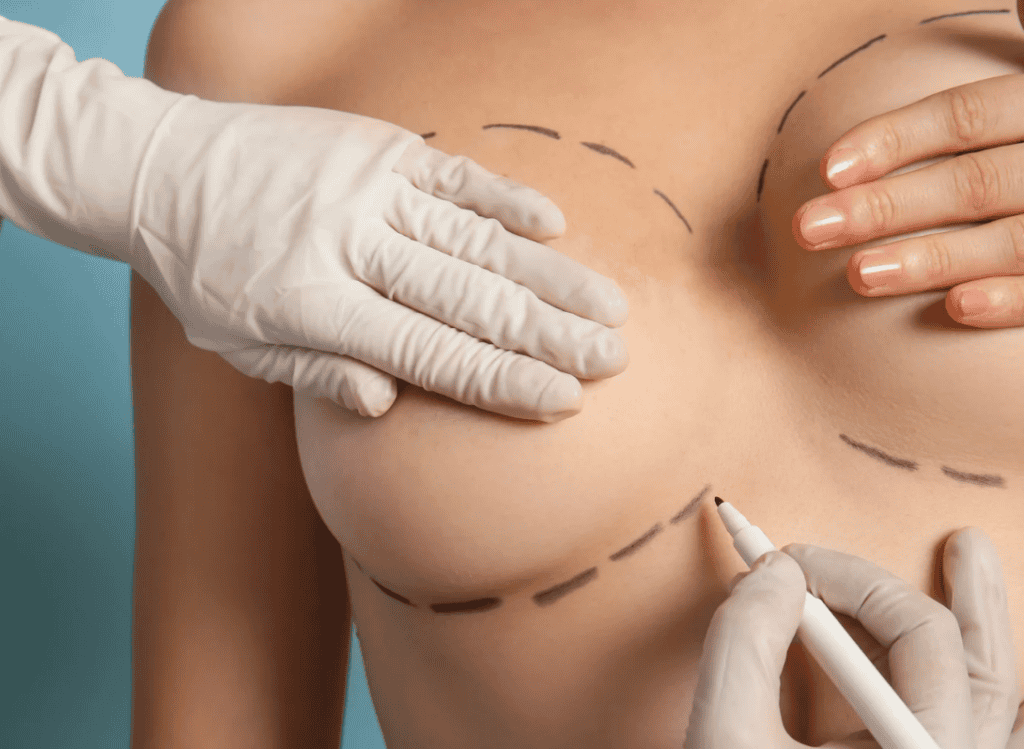
Placement decisions — whether to go above or below the muscle, where to position the incision, how to account for the patient’s existing tissue — are now guided by detailed measurements and, in many cases, 3D imaging technology.
A few key technique improvements that have transformed outcomes:
- Personalized sizing: Implant volume is now matched to chest wall width and existing tissue rather than selected from a simple cup size wishlist.
- Optimized placement: Submuscular and dual-plane placement options allow surgeons to create a more gradual, natural upper pole transition.
- Minimal scarring protocols: Inframammary incisions placed precisely in the fold are now the most common approach, keeping scars discreet and well-hidden.
The Preserve by Motiva Difference
One implant option getting a lot of attention right now is Preserve by Motiva — the FDA-approved implant that received premarket approval in 2024, making it the first new breast implant to do so since 2013.
That’s a significant milestone, and the clinical data behind it backs up the enthusiasm.
Preserve by Motiva features an ultra-low bleed shell with BluSeal technology — a lightly tinted barrier layer that surgeons can visually inspect before placement to confirm implant integrity.
It also includes a Qid tracking chip that allows the implant to be identified and monitored over time, adding a meaningful layer of long-term safety.
For patients considering breast augmentation with Preserve by Motiva in Orlando, the combination of adaptive movement, safety technology, and a strong FDA track record makes it well worth discussing in your consultation.
Clark Institute for Aesthetics offers this procedure with a thorough, patient-first approach — walking every candidate through exactly what to expect before, during, and after surgery.
What “Natural” Really Means for Each Patient
It’s worth being clear about something: natural-looking doesn’t mean small. It means proportionate to you. A patient with a petite frame may achieve the most natural result with a modest size increase.
A taller patient with broader shoulders might find a more substantial implant looks perfectly in balance. The goal isn’t a specific number — it’s harmony with your body.
That’s why the consultation stage matters so much. Surgeons who take the time to assess your anatomy, understand your lifestyle, and talk through realistic expectations are the ones who consistently deliver results patients actually love long-term.
3D imaging helps close the gap between what a patient imagines and what surgery can realistically achieve.
Conclusion
Breast augmentation has genuinely evolved — in the technology used, the techniques applied, and the philosophy guiding it all.
Breast augmentation results available today are a world apart from what was possible a decade ago, and that’s only going to continue as implant design and technique keep advancing.
If you’ve been curious but hesitant because of the “fake” look associated with older-style augmentations, it’s worth revisiting.
Today’s options — thoughtfully selected and skillfully placed — can enhance what’s already there in a way that feels entirely, authentically you.