


Facing substance abuse can feel overwhelming, but effective alcohol and drug rehab programs provide real hope for recovery. A wide range of evidence-based addiction treatment programs are available for those seeking help with substance abuse. This article examines the main approaches and support systems that help individuals begin the journey toward lasting sobriety.
Struggling with addiction to alcohol or drugs is a serious challenge for many people and their families. Deciding when and how to seek help is an important first step, and understanding the available options makes the process feel less daunting.
Virtual Intensive Outpatient Program (IOP) options and in-person rehab centers provide a spectrum of choices tailored to individual needs. When you know what steps to take and what types of support are available, finding a recovery path is far more achievable.

Types Of Addiction Treatment Programs For Recovery
There are several types of alcohol and drug rehab programs designed to support people with varying levels of substance use severity. Inpatient residential programs offer structured, intensive care in a safe environment, often including detox services, therapy, and group support over several weeks.
This option is suited for those with severe addiction or people who need a break from environments that make recovery difficult.
Outpatient and intensive outpatient programs (IOP) let individuals receive treatment while living at home, maintaining daily responsibilities like work or school.
Virtual IOPs, in particular, allow greater flexibility, providing therapy sessions, skills training, and support groups online.
Both types of outpatient care offer support with less disruption to regular life, making them accessible for people with strong family or social support networks.
Partial hospitalization programs (PHP) represent a middle ground between inpatient and outpatient care, providing intensive treatment during daytime hours while allowing patients to return home in the evenings.
These programs typically involve several hours of therapy and medical monitoring each day, making them ideal for individuals transitioning from residential treatment or those who need more support than standard outpatient services provide.
Additionally, specialized programs targeting specific substances or demographics—such as adolescent treatment programs, women-focused recovery centers, or opioid-specific interventions—offer tailored approaches that address unique challenges and needs within different populations.
Sober living homes and transitional housing programs provide another important layer of support for individuals in recovery.
These structured residential environments offer a substance-free living space where residents can practice newly learned coping skills while gradually reintegrating into daily life.
Unlike formal treatment facilities, sober living homes emphasize peer accountability, shared responsibility, and community support.
Residents typically participate in house meetings, maintain employment or educational pursuits, and adhere to house rules including regular drug testing and curfews.
This intermediate step between intensive treatment and independent living helps bridge the gap, reducing the risk of relapse during the vulnerable early months of recovery while building confidence and life stability.
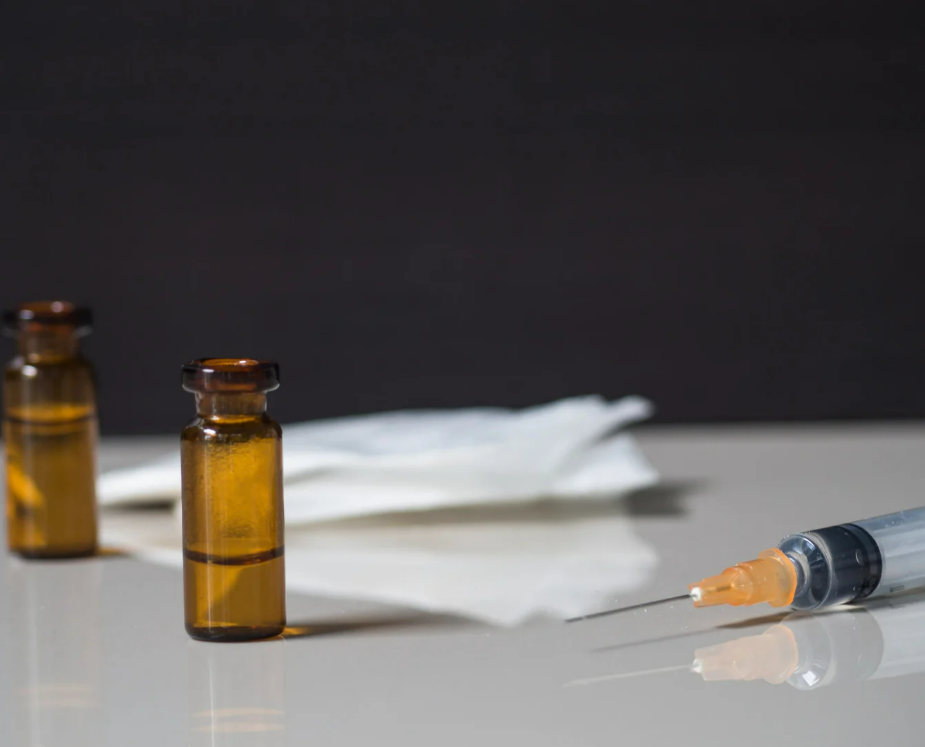
Key Components Of Effective Alcohol And Drug Rehab
Evidence-based addiction treatment programs usually include a mix of therapy, medical support, and skill-building for lasting change. Cognitive behavioral therapy helps people identify thoughts and behaviors connected to substance use, develop coping tools, and prevent relapse.
Group counseling and peer support sessions allow individuals to share experiences and learn from others walking similar paths.
Some treatment plans integrate medication-assisted treatment (MAT) when appropriate, especially for opioid or alcohol dependence. MAT can help reduce cravings and withdrawal symptoms, making recovery more manageable for many people.
Coordination with mental health services also addresses co-occurring issues such as anxiety or depression, ensuring a more comprehensive approach to recovery.
Holistic treatment approaches increasingly complement traditional therapies by addressing the physical, emotional, and spiritual dimensions of recovery.
Many comprehensive programs incorporate wellness activities such as nutritional counseling, exercise therapy, mindfulness practices, and stress management techniques that support overall health and resilience.
Life skills training also plays a crucial role, helping individuals rebuild their lives by developing practical abilities in areas like financial management, employment readiness, healthy relationship building, and daily routine establishment.
These complementary elements create a foundation for sustainable recovery that extends beyond simply stopping substance use.
Family therapy and educational programs represent another critical component of comprehensive addiction treatment.
Substance abuse affects not only the individual but also their loved ones, often creating patterns of codependency, enabling behaviors, and family dysfunction.
Effective rehab programs include family counseling sessions that help repair damaged relationships, establish healthy boundaries, and educate family members about addiction as a disease.
These sessions teach communication skills, conflict resolution strategies, and ways to support recovery without enabling destructive behaviors.
When families understand the recovery process and their role in it, they become powerful allies in long-term sobriety, creating a supportive home environment that reinforces treatment gains and reduces relapse triggers.
Accessing Treatment: Overcoming Barriers and Engaging Support
Many people face challenges when trying to access alcohol and drug rehab programs, such as stigma, cost, or limited availability in certain regions.
Virtual IOP and telehealth innovations now help reduce these barriers, expanding access for people who may not be able to attend traditional programs in person.
Family involvement and community resources can further encourage individuals to seek help and remain engaged in treatment.
Support doesn’t end at the clinic’s door. Aftercare programs, sober living options, and community-based services all provide continued structure during recovery and reduce the risk of relapse.
Comprehensive support systems, such as Renew Health Addiction Recovery Services, are designed to meet individual needs, offering encouragement and ongoing resources for people as they work toward their sobriety goals.
Insurance coverage and financial assistance options have expanded significantly in recent years, making treatment more accessible for many individuals who previously faced economic barriers.
Most insurance plans now cover substance abuse treatment to some degree, and many rehab facilities offer sliding-scale fees, payment plans, or connections to state-funded programs for those without insurance.
Taking the first step often begins with a confidential assessment, which helps determine the appropriate level of care and connects individuals with resources suited to their specific situation.
Peer recovery specialists and navigators can also assist in understanding options, completing paperwork, and maintaining motivation throughout the treatment journey.