


We’ve all been there, staring into the bathroom mirror, wishing that a new serum or a fancy moisturizer could somehow erase years of acne scarring or those deep lines settling around our eyes. It’s a vicious circle. You spend money, you wait months and you get few results. The fact is, over-the-counter skincare products are great at hydrating the surface of your skin, but they don’t have the power to remodel the deeper tissue where stubborn imperfections lurk.
When you want to fix the hard stuff, look for treatments that work under the skin. That’s where the co2 laser comes in. Dermatologists have long considered this technology to be the gold standard for skin resurfacing, and it doesn’t just hide damage, it makes your skin rebuild itself from scratch.
If you’re apprehensive about the idea of a laser treatment, don’t worry. It sounds tough, and recovery is a tough commitment. We’ll cover how this treatment works, what the healing process looks like, and why it works where traditional skincare doesn’t.
What Is the Science of Skin Resurfacing: How Does a CO2 Laser Work?
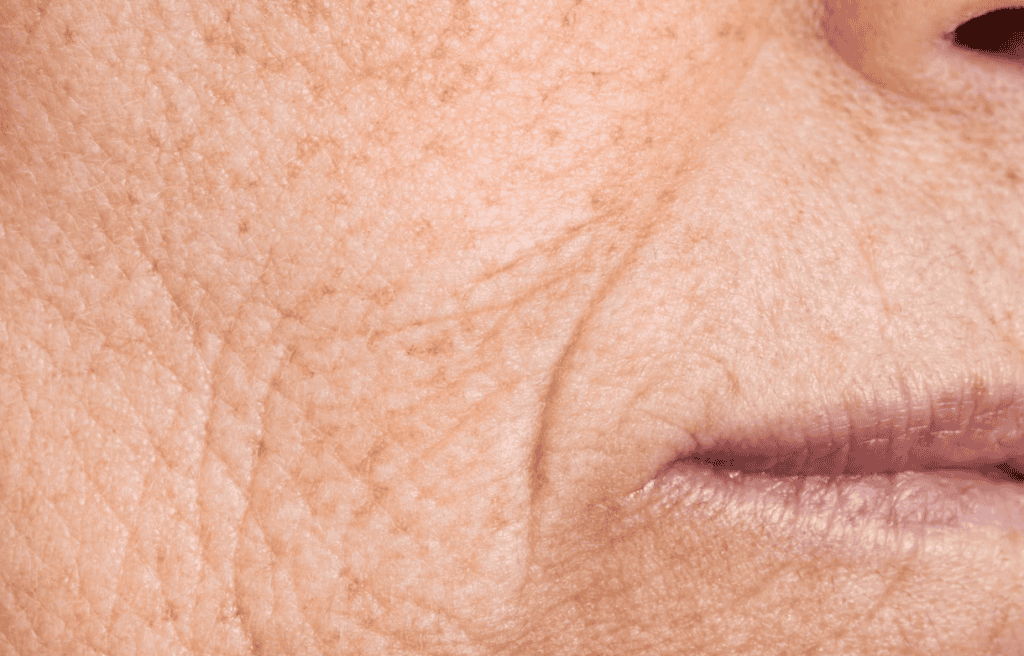
To understand why this treatment works so well we need to look at what is happening under the microscope. There’s a scaffolding of collagen and elastin holding our skin together. The production of collagen slows down as we age and we start to get wrinkles and sagging. Also, when severe acne or injuries heal, they can pull the skin down causing tethered, pitted scars.
The CO2 laser does this by zapping the water molecules inside your skin cells. The laser produces a highly concentrated beam of light energy. This energy vaporizes the damaged upper layers of the skin, while heating the lower dermis at the same time.
Fractional vs. Ablative Technology
During the initial phase of laser resurfacing, physicians employed fully ablative lasers. This meant that the machine removed the entire surface layer of skin in the treatment area. The results were incredible, but the recovery took weeks and the risk of complications was high.
In modern clinics, mainly fractional technology is used today. Instead of stripping off the entire surface layer of skin, a fractional laser sends out microscopic columns of light that burn thousands of tiny but deep columns of skin. The surrounding skin is not affected.
Because these healthy “islands” of skin are intact, your body heals the microscopic wounds quickly. This method provides the strong effects of conventional ablative lasers but shortens the downtime needed by a large margin.
Getting to the Hard Stuff: Scars and Deep Wrinkles
Not all skin issues are the same. Mild chemical peels or microneedling can often smooth out fine lines. But to make fundamental structural changes, a more substantial intervention is needed.
Get Rid Of Deep Acne Scars
Acne scarring, especially boxcar and rolling scars, is notoriously difficult to treat. They form because fibrous bands of scar tissue anchor the surface skin to the deeper muscles.
The laser beam penetrates enough to disintegrate these stiff bands. The laser heats the tissue, and that causes a huge burst of new collagen. This new collagen plumps up the skin from the inside, pushing up the depressions until they are level with the surrounding tissue. This takes a few months.
Tackling the Stubborn Wrinkles
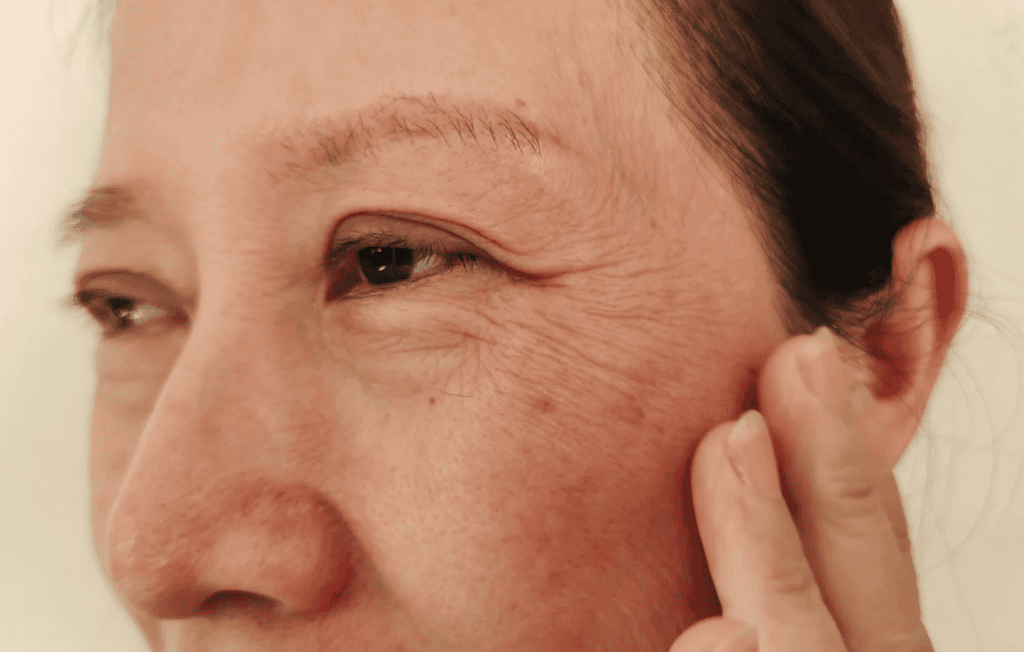
Static wrinkles are those you can see even when your face is totally relaxed, and are caused by a dramatic loss of dermal volume.
The laser heat penetrates to the dermis causing an instant contraction of collagen fibers that are already present. This will give you a first tightening effect. More importantly, it acts as a wake up call to your fibroblasts (the cells that produce collagen). Over the next three to six months, your body creates a structured matrix of new collagen, really filling in deep wrinkles from the inside out.
Is It For Everyone? Compare Your Choices
Consider your skin type, your budget, and how much downtime you can handle when choosing an advanced skin treatment. The laser offers unmatched results for structural damage but requires a significant investment of time and resources versus lighter options.
To help you decide if this approach fits your goals, consider how fractional carbon dioxide resurfacing compares to other common clinical treatments:
| Treatment Type | Depth & Efficacy | Ideal For | Typical Downtime |
| Fractional CO2 Laser | Penetrates deepest into the dermis for maximum structural remodeling. Visible results in 1 session. | Deep static wrinkles, pitted acne scars, and severe texture issues. | 5 to 7 days of social downtime. Requires extra caution on darker skin tones. |
| Microneedling (RF/Traditional) | Creates controlled mechanical or thermal micro-injuries in upper-to-mid layers. Requires multiple sessions. | Fine lines, mild skin laxity, and superficial texture imperfections. | Minimal downtime (1 to 2 days). Completely safe for all skin types. |
| Deep Chemical Peels | Uses strong clinical acids to aggressively exfoliate the superficial skin surface layers. | Hyperpigmentation, stubborn sun damage, and uneven skin tone. | 7 to 10 days of peeling. Lacks precise depth control for deep structural scars. |
What to Expect: Real-World Treatment Experience
It can be intimidating walking into a clinic for a major laser procedure if you don’t know what to expect. When you know every step of the process you don’t have anxiety and you can prepare properly.
During the Session
First, the clinical team will clean your skin thoroughly and apply a strong topical numbing cream. You will have to wait 45 to 60 minutes for the numbing agent to fully kick in.
Your skin will be numbed and then you will wear protective eyewear. You will hear a rapid clicking sound as the provider moves the laser handpiece over your face. The majority of people liken it to a series of quick, hot snaps, similar to a rubber band snapping on the skin. The numbing cream and the cooling fans keep the discomfort completely in check. The actual laser work is usually only 20 to 30 minutes.
The Truth About Downtime After Treatment
Immediately after the procedure, your face will feel very hot, like a bad sunburn. Your provider will put a thick layer of protective ointment on to seal in moisture and protect the skin barrier that has been broken down.
The first three days are the most intense. You can expect a lot of redness, swelling, and oozing. By day four or five the old, damaged skin will begin to turn brown and start to flake off. It is very important that you do not pick, scratch or scrub this peeling skin, as this can lead to permanent scarring or hyperpigmentation. Usually, by the seventh day the old skin has come off to reveal a new, pink and remarkably smooth layer underneath.
Safety and Clinical Expertise First
This laser is a medical-grade device so your safety and results will depend on the skill of the person using it. In the hands of the inexperienced, burns, hyperpigmentation or prolonged redness can happen.
When you are searching for providers, seek clinics that specialize in a personalized environment. You need to consider the density and depth of the laser beam, which depend on your skin thickness, your ethnicity and your specific concerns. For trusted care and high clinical standards, experienced providers like the Bio Aesthetic Laser Clinic offer bespoke treatment plans designed to optimise your results whilst prioritising your skin’s health and safety.
Always book a detailed consultation before your treatment. A good practitioner will assess your skin type, ask about your medical history and give you a realistic expectation of what the laser can do for you.
Parting Words on Changing Your Skin
Deep scars and persistent wrinkles can erode your confidence, especially when over-the-counter solutions fail to make a difference. While gentler facials and skincare routines have their place for everyday upkeep, they can’t rebuild the deep architectural foundations of your skin.
Opting for a carbon dioxide laser treatment is choosing a permanent structural change instead of a temporary fix. Yes, recovery means a week indoors and out of the sun, but the reward is a dramatic reduction in the depth of the scar and a smooth, youthful complexion that no cream could ever deliver. If you’re ready to move beyond managing your skin imperfections and start fixing them, you may want to skip the skincare aisle and consult a professional about what a laser can do for you.