

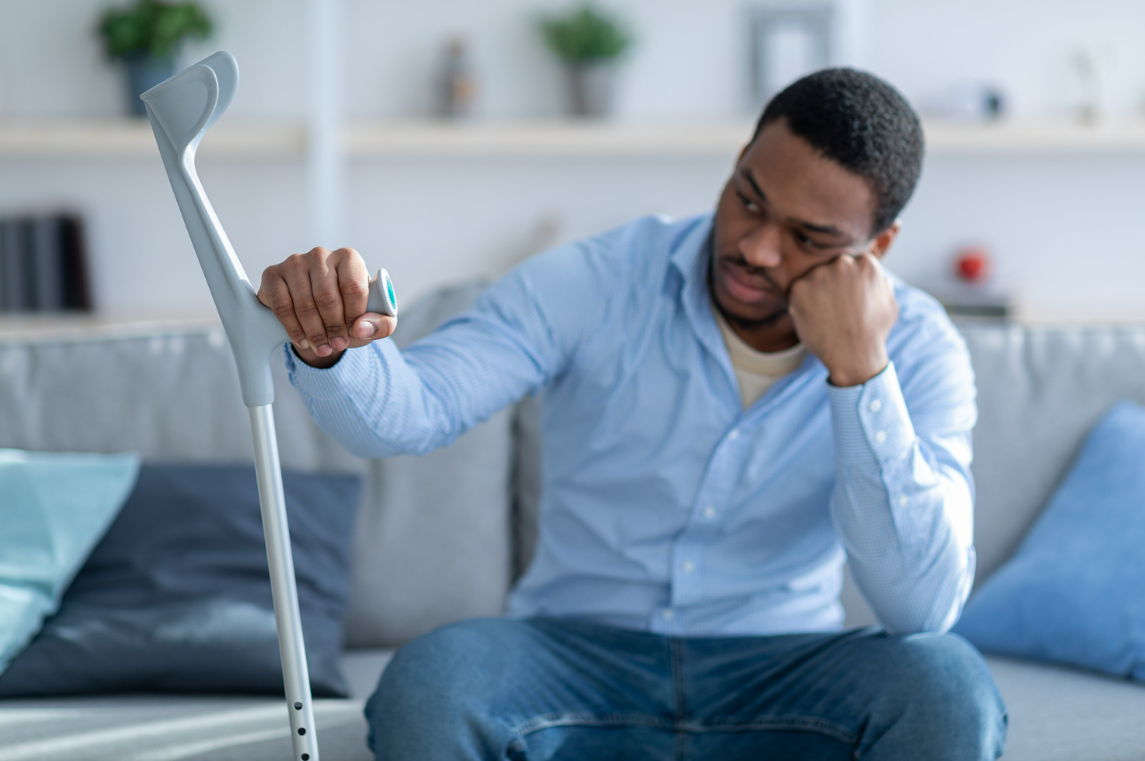
The emotional impact often starts when daily life feels smaller. You may miss the gym, your team, your work role, or simple habits that made you feel capable. For athletes, the mental side can feel as hard as the pain itself because athlete injury recovery often includes fear, frustration, and uncertainty.
Can an Injury Cause Depression?
Yes. An injury can affect more than your body. It can change your routine, limit independence, interrupt training, reduce work capacity, and make you feel disconnected from people who usually support you. This is why post injury depression can happen after a sprain, fracture, surgery, tear, or traumatic event.
A good first step is to treat the emotional response as part of care, not as a personal weakness. Clinics such as in touch nyc physical therapy can support movement goals while you also build mental habits that help you stay steady.
Why Injury Affects Mood
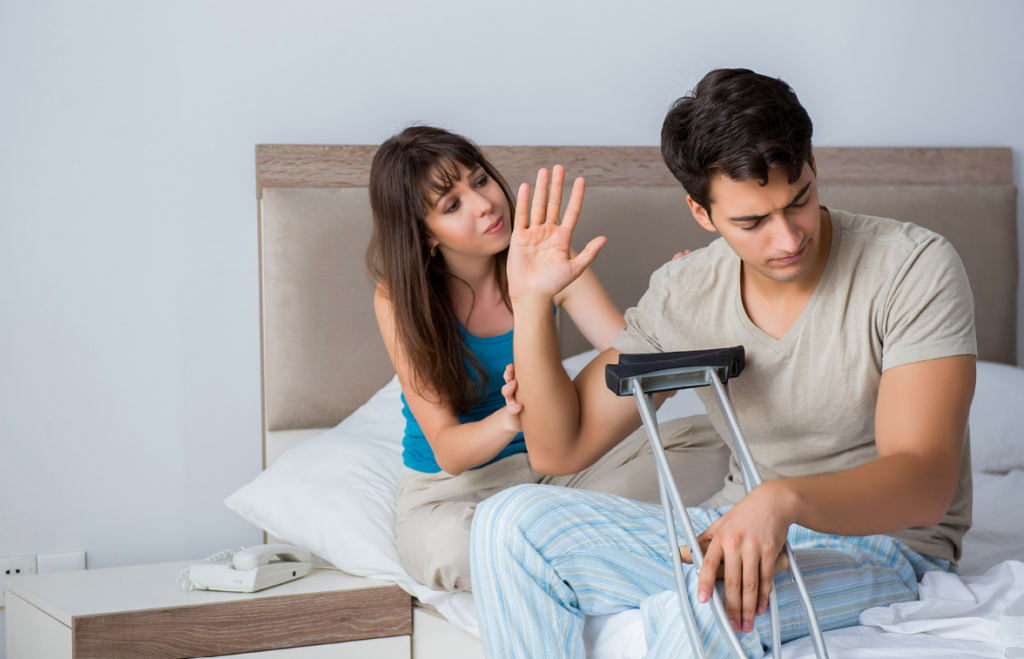
A physical injury can create stress in several ways. Pain can affect sleep. Reduced mobility can make you feel dependent. Time away from work or sports can create financial or identity concerns. If you were active before, the sudden drop in physical activity can also affect mood and energy.
The mental effect depends on the type of injury, the amount of pain, your support system, and whether you already had anxiety or depression. An acute injury may feel shocking because it changes your life quickly. A long term problem can wear you down because progress may feel slow.
Common injuries included in emotional recovery concerns are:
- Ligament sprains, tendon tears, fractures, and joint injuries
- Back, neck, shoulder, knee, ankle, and hip injuries
- Post-surgical conditions that limit movement
- Work injuries that affect income or independence
- Sports injuries that delay training or competition
How to Manage Negative Thoughts
Learning how to handle sports injuries starts with separating facts from fears. A fact might be, “My knee is swollen today.” A fear might be, “I will never play again.” Both feel real, but only one is confirmed.
Try to name negative thoughts when they appear. Then ask what evidence supports them and what evidence does not. This helps you avoid turning a difficult week into a final prediction about your future.
Support also matters. Talk with your doctor, therapist, coach, family, or a trusted friend. If you are working with in touch nyc physical therapy, ask which goals are safe now and which ones should wait. Clear milestones reduce guessing and help you feel more in control.
Practical Coping Steps
The recovery process works best when your plan includes both body and mind. You do not need to feel motivated every day. You need a structure you can follow on low-energy days.
Use these steps:
- Set one small daily goal, such as walking safely, icing, or doing approved exercises.
- Track progress with simple notes, not constant body checking.
- Keep social contact even when you cannot train or work normally.
- Use visualization to imagine safe movement and successful return.
- Ask your care team what pain is expected and what pain needs attention.
- Celebrate function, such as better sleep or improved range of motion.
This is also where sports injury recovery should feel specific. A generic plan can create doubt. A tailored plan helps you know what to do today.
Mental vs Physical Recovery
| Mental recovery needs | Physical recovery needs |
| Managing fear, frustration, and isolation | Protecting the injured area |
| Rebuilding confidence through small wins | Restoring strength and mobility |
| Staying connected to support systems | Following care instructions |
| Reducing all-or-nothing thinking | Improving balance and control |
| Accepting slow progress without giving up | Preparing for safe return to play |
The healing process is not always even. Your body may improve while your confidence lags behind. Or your mood may improve before your strength returns. Both patterns are common.
Returning to Sport Safely
If your main goal is returning to sport, avoid rushing because fear and impatience can both increase risk. Ask your provider how to recover from sports injury based on your diagnosis, not based on someone else’s timeline.
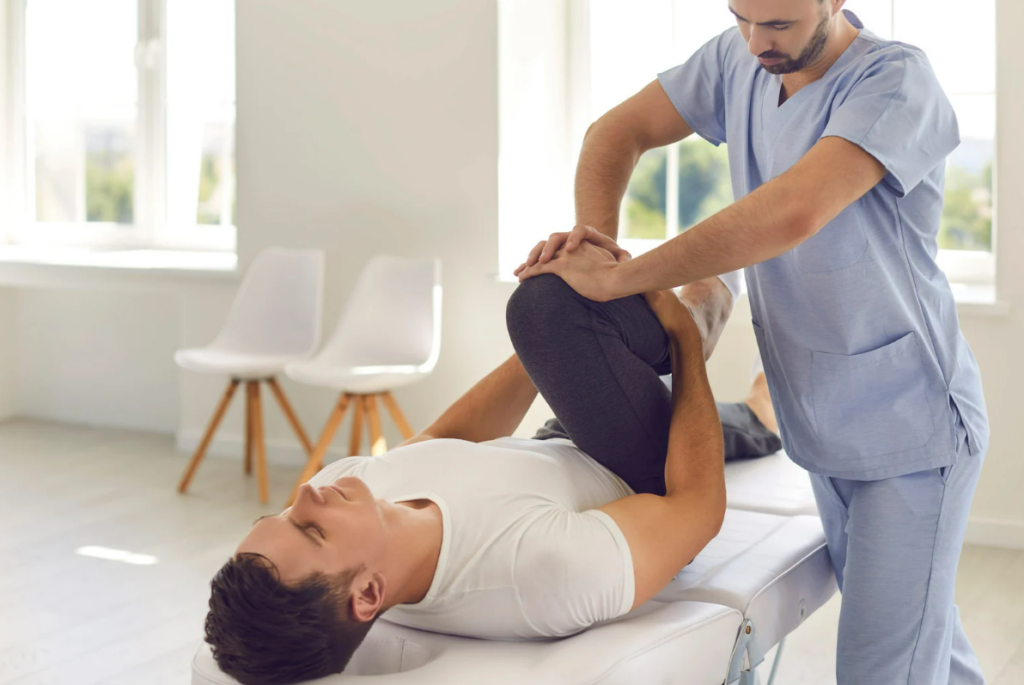
Recovering from a sports injury usually happens in stages. You may start with pain control, then mobility, then strength, then sport-specific drills. Recovering from an injury safely means each stage should build on the last one.
Depending on the injury, you may need tests for balance, strength, flexibility, coordination, or endurance before full play. The final decision should consider symptoms, movement quality, confidence, and medical guidance.
Injury prevention also matters once you feel better. Warm up, progress gradually, correct movement patterns, and avoid ignoring pain. These habits help with reducing the risk of another setback.
When to Seek More Help
You should seek help if sadness, fear, anger, or hopelessness lasts more than a couple of weeks, worsens, or starts affecting sleep, appetite, relationships, or motivation. You should also get support if you avoid care, stop exercises, or feel unable to picture improvement.
Injury recovery is not only about repairing tissue. It also includes protecting physical health, rebuilding trust in your body, and finding a realistic path forward. With the right support, structure, and patience, you can move through depression symptoms while still making progress toward safe activity and daily function.