


Early childhood programs provide young children with environments where they can explore, experiment, and build essential skills for the future. These programs create spaces that encourage curiosity, creativity, and confidence while fostering a sense of belonging and community.
Families benefit as children develop in settings that value both growth and well-being. The experiences gained in these early years can have lasting effects on children’s overall development and the harmony of family life.
Read on to understand why early childhood programs make a difference for families.

Supporting Child Development
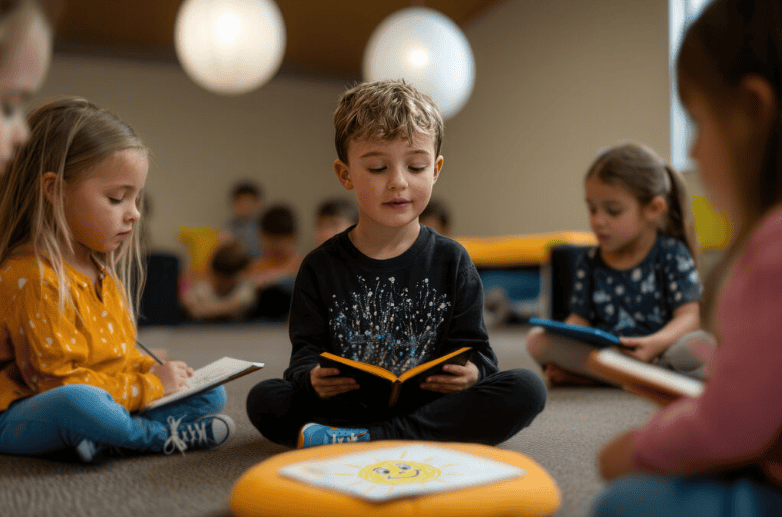
Early childhood programs provide structured environments where children can explore, practice skills, and grow with confidence.
The following are areas where these programs actively support children’s learning, skill development, and overall growth:
- Cognitive development: Activities are carefully designed to stimulate thinking, problem-solving, and curiosity in children. They engage in puzzles, sorting games, and simple experiments that encourage observation, reasoning, and decision-making. This approach strengthens mental flexibility and encourages creative approaches to challenges.
- Language and communication skills: Storytelling, group discussions, and interactive exercises help children expand their vocabulary, improve comprehension, and strengthen expressive abilities. Children practice asking questions, describing experiences, and listening to others, building confidence in verbal communication. Such experiences allow them to collaborate effectively with peers and adults across social situations.
- Social-emotional learning: Guided interactions and cooperative activities teach children how to identify emotions, regulate behavior, and work collaboratively with others. Through role-playing, group projects, and problem-solving scenarios, children develop empathy, patience, and conflict resolution skills.
Enrolling your child in a trusted childcare and early learning center, such as childcare City West or other quality programs in your area, provides consistent guidance. These programs support children as they develop these essential skills. With a combination of play-based curriculum and teacher-guided explorations, children gain confidence and independence in a nurturing setting.
Providing Parental Support and Education
Parents gain practical tools and guidance that help them foster healthy family routines and strengthen their role in early learning.
Here are the main ways programs support parents and strengthen family involvement:
- Parents as teachers: Parents receive personalized coaching and hands-on strategies to support their child’s development at home. This guidance helps families structure daily routines, encourage learning through play, and understand age-appropriate behaviors and expectations. It supports a more effective and positive home environment.
- Community engagement: Families connect with local networks, workshops, and peer groups, which provide opportunities to share experiences, exchange parenting tips, and access support services. These connections foster a sense of belonging, build lasting relationships, and help parents feel more confident in managing challenges and celebrating milestones.
- Training programs and professional development objectives: Programs offer early childhood trainings and workshops that expand parents’ understanding of developmental milestones, behavioral guidance techniques, and practical learning strategies. These sessions equip parents with knowledge and tools to reinforce early learning at home and make informed decisions about their child’s growth and well-being.
These supports equip parents with the confidence and tools to guide their children’s early experiences while strengthening family routines and connections.
Promoting School Readiness
Early exposure to structured learning experiences helps children develop the foundational skills needed for success in kindergarten and beyond. Programs introduce activities that focus on early literacy and numeracy, strengthening phonemic awareness and understanding of basic mathematical concepts. These early lessons give children the confidence to approach new challenges and participate actively in classroom settings.
Beyond academic skills, programs help children develop study habits that support independent learning. Children practice following instructions, completing simple tasks, organizing materials, and staying focused during structured activities. These routines prepare them to participate productively in lessons, adapt to classroom expectations, and handle the increased responsibility that comes with formal schooling.
Moreover, access to Pre-K programs, Head Start, and Early Head Start initiatives introduces children to structured schedules and classroom expectations. Exposure to routines, group activities, and guided instruction familiarizes them with the school environment and expectations for behavior. This preparation supports smoother transitions into kindergarten, private school, or other formal learning settings where structure and readiness play a key role in success.
Increasing Family Stability and Opportunities
Access to quality early childhood programs helps parents balance work, education, and personal growth while providing children with consistent care. Reliable childcare offers peace of mind and a stable daily routine, allowing parents to focus on career goals, educational pursuits, or other responsibilities.
Families also benefit from connections to essential local resources and support networks, which provide guidance on health, housing, and community services. Programs offering nutrition support and participation in the Child and Adult Food Program ensure children have healthy meals, reducing stress for families and supporting consistent routines.
Furthermore, access to workplace supports and resources available through ECE workplaces enables parents to pursue employment or training opportunities with confidence. Programs and early learning resources give families practical tools to manage schedules, track progress, and plan for the future.
Final Thoughts
Investing in early childhood programs equips families with resilience, adaptability, and confidence to handle life’s daily demands. Children gain a strong foundation for learning and social growth, while parents benefit from practical tools, community connections, and reliable support systems. The long-term effects extend beyond childhood, influencing family harmony, future success, and the ability to thrive in an ever-changing environment.