

Autism Spectrum Disorder (ASD) is a complex neurodevelopmental condition that shapes the way a child experiences and interacts with the world around them. Diagnosed in approximately 1 in 36 children in the United States, autism does not follow a single pattern — it exists on a broad spectrum, meaning its effects on early childhood development can range from subtle to profound. Understanding how autism influences a child’s earliest years is essential for parents, caregivers, and educators who want to provide the best possible support.
The Early Signs
“Most developmental experts agree that signs of autism can appear as early as 12 to 18 months of age, though many children are not diagnosed until age 3 or later. Early indicators often include a lack of eye contact, limited facial expressions, and a reduced interest in other people.”, says HH Family, a provider of ABA therapy in Woodbridge New Jersey.
A baby who does not respond to their name being called, does not point to objects to share interest, or does not imitate the facial expressions of caregivers may be showing early signs of autism. These behaviors stand out because typical infant development is deeply social from birth — babies are naturally drawn to faces, voices, and emotional cues.
Social and Emotional Development
One of the most significant ways autism affects early childhood is in the realm of social and emotional development. Children with autism often struggle with what researchers call “joint attention” — the ability to share a focus on an object or event with another person. This skill is foundational to learning and connection. Without it, a toddler may play alongside other children rather than with them, preferring solitary activities that they can control and predict.
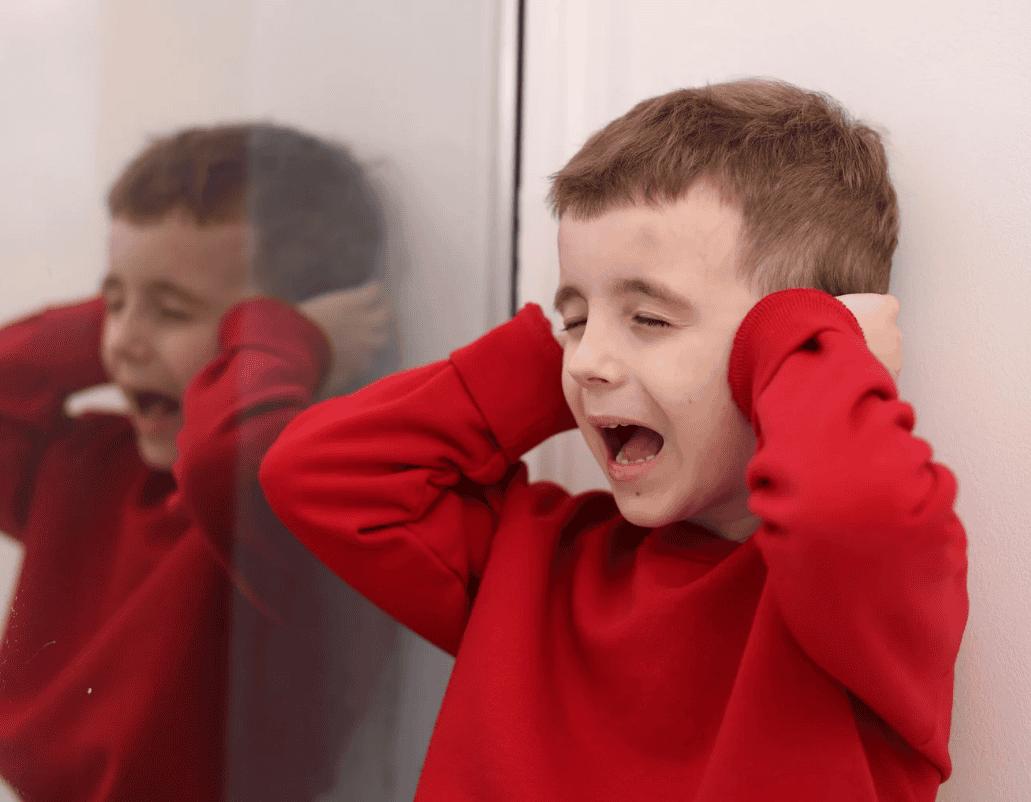
Emotional regulation is another area commonly affected. Young children with autism may experience intense emotional responses to situations that seem minor to others, or alternatively, may appear emotionally flat in moments when a strong reaction would be expected. This is not indifference — it reflects a different way of processing social and sensory information. Meltdowns are often misunderstood as behavioral problems when they are actually a sign of genuine overwhelm.
Communication Development
Language and communication milestones are frequently delayed or different in children with autism. Some children may not begin speaking until age 3, 4, or later, while others may develop language on schedule but use it in unusual ways — reciting memorized phrases, repeating lines from television shows (a behavior known as echolalia), or speaking in a very formal, rigid manner that does not match the conversational flow of peers.
Nonverbal communication is also commonly affected. Children with autism may not gesture, wave, or use facial expressions to convey meaning in the way their neurotypical peers do. For some children, speech never develops, and they rely on alternative and augmentative communication tools such as picture boards or speech-generating devices to express themselves.
Sensory Processing
A dimension of autism that profoundly affects early childhood is sensory processing. The developing world is a flood of sights, sounds, textures, smells, and tastes, and children with autism often experience sensory input very differently than others. Some are hypersensitive — a seam in a sock can feel unbearable, a crowded grocery store can feel like an assault. Others are hyposensitive and may seek out intense sensory experiences like spinning, rocking, or pressing their body against surfaces.
These sensory differences directly affect participation in everyday activities — mealtimes, dressing, playground play, and classroom environments can all become sources of stress rather than joy. Recognizing sensory needs early allows caregivers to adapt environments and routines to reduce distress and promote learning.
Cognitive and Play Development
Cognitively, autism presents differently in every child. Some children with autism show remarkable abilities in specific areas — exceptional memory, early reading skills, or advanced proficiency with puzzles and patterns. Others may have intellectual disabilities alongside their autism diagnosis. Play development is often characterized by a preference for repetitive, structured activities rather than imaginative or pretend play, which is a hallmark of typical toddler development.
The Importance of Early Intervention
Research consistently shows that early intervention makes a meaningful difference. Applied Behavior Analysis (ABA), speech therapy, occupational therapy, and developmental play-based therapies can all support children with autism in building skills and reaching their potential. The earlier these supports are introduced, the greater the opportunity to shape developmental trajectories during the brain’s most plastic and receptive years.
Autism does not diminish a child — it shapes a child. Understanding its effects on early development is the first and most important step toward building a world where every child has the support they need to thrive.