

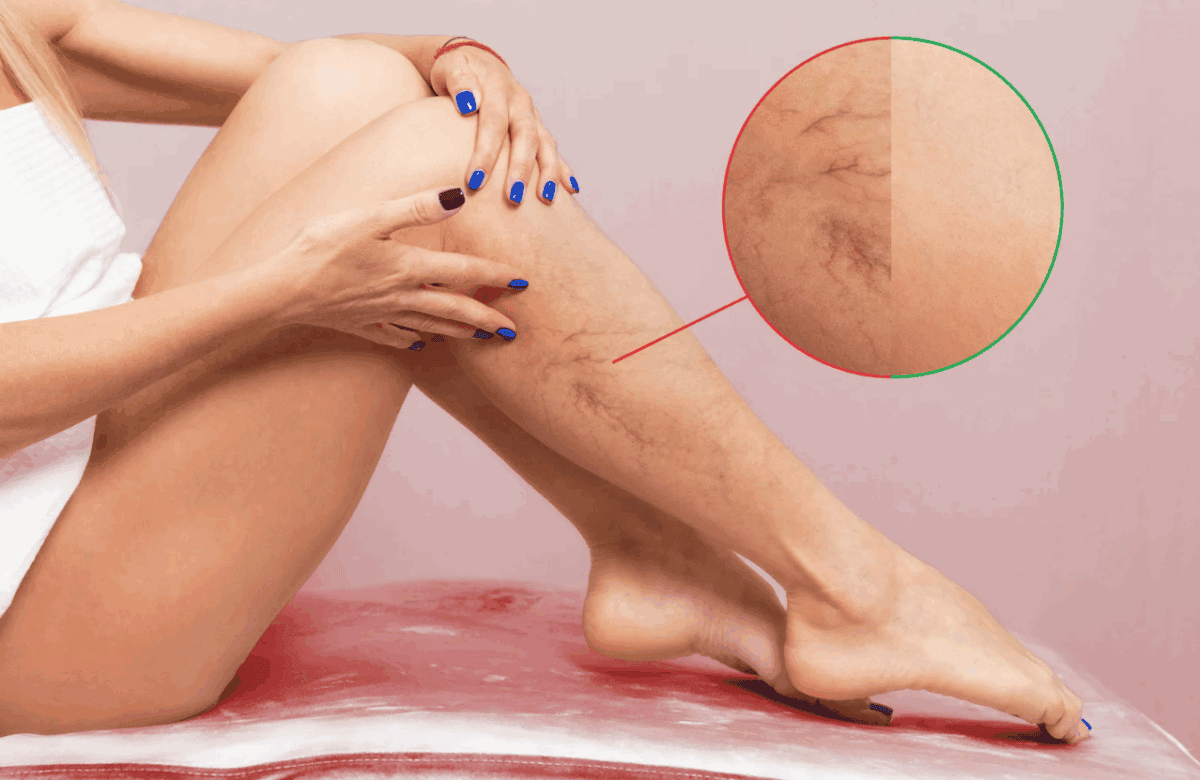
Vein symptoms may begin with leg heaviness, ankle swelling, itching, visible vessels, or night cramps. The source is physical, but the burden often reaches sleep, concentration, confidence, and mood. A person may change clothing, cancel plans, or stop walking because discomfort feels unpredictable. Over time, repeated limits can narrow routines and make daily life feel less manageable.
Why Early Care Matters
When aching, swelling, or pressure keeps returning, guesswork can add emotional strain to physical symptoms. A trusted vein clinic can evaluate blood flow, check valve function, and explain appropriate next steps. Clear findings often reduce fear, because people learn whether changes reflect venous insufficiency, fluid buildup, or another medical concern.
Pain Can Change Mood
Chronic aching, throbbing, or burning can drain patience before anyone notices a pattern. Irritability may look emotional, yet the trigger can be ongoing nerve and tissue stress. Some people withdraw because standing, sitting, or walking feels uncertain. Symptom notes help connect mood shifts with pain timing.
Sleep Often Suffers
Night leg cramps, tingling, heaviness, and restless sensations can fragment sleep. Poor rest then lowers stress tolerance, attention, and emotional steadiness. Several broken nights may leave a person feeling tense or tearful. If leg symptoms regularly interrupt sleep, evaluation is appropriate.
Visible Veins Affect Confidence
Bulging varicose veins or clusters of spider vessels can change how someone feels in warm-weather clothing, uniforms, or swimwear. Some people begin covering their legs out of habit. Others avoid photos, events, or exercise settings. These choices may seem minor, but repeated avoidance can feed embarrassment and isolation.
Mobility Shapes Connection
Swollen, heavy legs can make movement feel like a chore. Walks, errands, hobbies, and family outings may become shorter or less frequent. Reduced activity can remove mood-supporting routines, including sunlight, social contact, and gentle exercise. Movement helps many people, but activities should be guided by pain levels.
Workdays Can Feel Longer
Extended periods of standing or sitting can increase venous pressure. Swelling, fatigue, and aching may build through the day. That discomfort can interrupt focus and raise tension. Compression, calf movement, and scheduled breaks may help, although worsening symptoms deserve clinical review.
Worry Can Grow Quietly
Unexplained leg changes often create private fear. Some people search for symptoms online, then feel more alarmed. Others delay care because they feel embarrassed by appearance or odor from irritated skin. A focused examination can replace speculation with medical facts, which often eases mental load.
Signs That Need Care
Care should be considered when pain, swelling, itching, heaviness, cramps, skin discoloration, or bulging veins keep returning. Sudden swelling, warmth, redness, chest pain, or breathing difficulty needs urgent medical attention. Those signs may indicate a serious circulation problem.
What Evaluation May Include
A vein evaluation may include medical history, symptom review, leg examination, and duplex ultrasound. Testing shows how blood moves and whether valves close properly. Results can guide compression usage, activity changes, skin care, or minimally invasive treatment when medically appropriate.
Self-Care Supports Mood
Daily habits can support circulation and emotional steadiness. Walking, leg elevation, hydration, and calf movement breaks may reduce pressure for some people. Comfortable shoes and recommended compression stockings can also help. These measures are useful, but they cannot replace care for lasting or worsening symptoms.
Talking About Symptoms Helps
Many people minimize leg discomfort because it develops slowly. Honest conversation with clinicians, family, or close friends can reduce shame. Clear descriptions also improve appointments. Pain level, timing, swelling, skin changes, sleep disruption, and emotional effects all give useful clinical context.
Care Can Restore Routine
Treatment is about function as much as appearance. For many people, relief means better sleep, easier movement, less worry, and greater social comfort. Mental health can improve when the body feels more predictable. Earlier evaluation may also prevent months of uncertainty and avoidable distress.
Conclusion
Vein symptoms can affect far more than the legs. Pain, swelling, visible vessels, poor sleep, and reduced mobility may influence mood, work, relationships, and self-confidence. People should seek care when symptoms persist, disrupt routines, or cause worry. A proper evaluation can clarify causes and guide treatment. With timely support, many people regain comfort, reduce stress, and participate more fully in daily life.