

When someone is navigating both a mental health condition and a substance use disorder simultaneously, the treatment path forward rarely looks like a single, straight line. Dual diagnosis, also called co-occurring disorders, requires layered, integrated care. And increasingly, clinicians and researchers are looking beyond the therapy room to find what else supports lasting recovery.
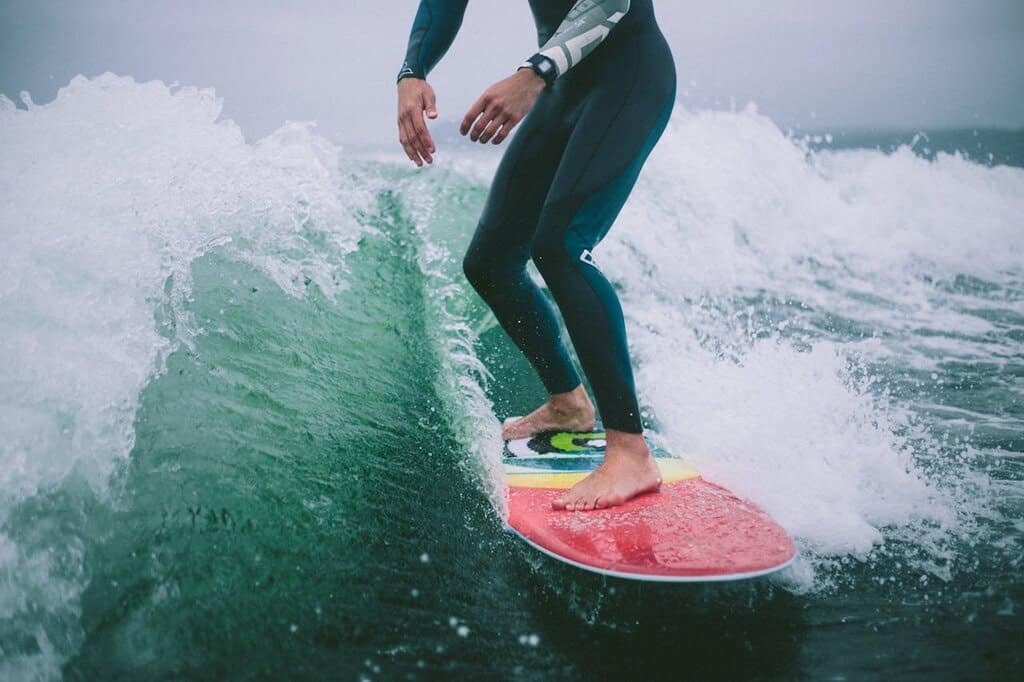
Surf therapy is one of those approaches that keeps coming up in the conversation, and for good reason. This is not a trendy wellness add-on. A growing body of evidence and decades of real-world clinical practice suggest it can play a meaningful role in healing, particularly when integrated into a comprehensive treatment plan.
So is surf therapy effective for dual diagnosis treatment? The short answer is yes, with important context.
Understanding Dual Diagnosis and Why Traditional Treatment Has Limits
Dual diagnosis refers to the presence of at least one mental health disorder alongside a substance use disorder. Common combinations include depression with alcohol use disorder, PTSD with opioid dependence, anxiety disorders with stimulant misuse, and bipolar disorder with cannabis or alcohol misuse.
The Challenge of Treating Both Conditions Together
The two conditions often reinforce each other in what clinicians call a bidirectional relationship. Someone may use substances to cope with the emotional weight of depression or the hypervigilance of PTSD, and substance use then worsens those same symptoms over time.
Standard outpatient or inpatient care typically addresses this through individual therapy, medication management, and group counseling. These approaches remain foundational. But they can also feel limited for people who struggle to engage in traditional talk-based settings, particularly those with trauma histories, sensory processing differences, or a strong resistance to conventional clinical environments.
What Surf Therapy Actually Is and What It Is Not
Surf therapy is a structured, clinically informed intervention that uses surfing and ocean environments as a therapeutic vehicle. It is not casual beach time. Certified surf therapy programs involve trained facilitators, defined treatment goals, safety protocols, and integration with broader mental health care.
How Sessions Are Structured
A typical surf therapy session includes a land-based discussion or check-in, time in the water under guided instruction, and a debrief period where participants process what came up emotionally and physically during the session. This debrief is where much of the clinical work happens.
The International Surf Therapy Organization (ISTO) has worked to standardize protocols and outcome measurement, bringing a level of rigor to the field that supports broader clinical adoption.
The Evidence Behind Surf Therapy for Mental Health
Multiple peer-reviewed studies have examined surf therapy’s impact on mental health outcomes, and the results are consistently encouraging. Research has demonstrated reductions in PTSD symptoms, depression, and anxiety, along with improvements in emotional regulation, social connectedness, and self-efficacy.

What the Studies Show
A 2020 randomized controlled trial published in PLOS ONE found that surf therapy significantly reduced psychological distress and improved well-being in vulnerable youth populations. A 2021 study focused on veterans with PTSD showed meaningful reductions in symptom severity after participating in a structured surf therapy program. Additional research has highlighted improvements in affect regulation, a core clinical target in dual diagnosis treatment.
These outcomes align with what therapists often observe anecdotally: people who struggle to connect in group rooms often open up in the water. The shared vulnerability of learning a physical skill, combined with the regulating effects of ocean immersion, creates conditions for therapeutic breakthroughs that are genuinely difficult to replicate in a clinical office.
Why the Ocean Environment Matters Clinically
There is something happening physiologically and neurologically when people engage with open water. Blue space research, a growing area within environmental psychology, points to measurable reductions in cortisol and improvements in mood associated with time near or in natural bodies of water.
The Nervous System Connection
For individuals with trauma histories, which are extremely common in dual diagnosis populations, the nervous system is often stuck in patterns of chronic activation. The rhythmic, unpredictable nature of ocean waves requires constant present-moment attention. This natural mindfulness effect, combined with physical exertion and cold water immersion, can interrupt rumination cycles and shift the nervous system toward a more regulated state.
This is particularly relevant for people in early recovery, who often report high levels of emotional dysregulation, anxiety, and difficulty tolerating distress without substances.
Surf Therapy in Dual Diagnosis Programming: How It Fits
Surf therapy works best not as a standalone treatment, but as one component of a comprehensive care model. Within dual diagnosis treatment, it typically sits alongside individual psychotherapy, medication evaluation, trauma-informed group work, and family therapy.
Integration with Evidence-Based Therapies
Surf therapy pairs naturally with therapeutic modalities already common in dual diagnosis settings. Dialectical Behavior Therapy, which emphasizes distress tolerance and emotional regulation, shares core goals with what surf therapy organically produces. Trauma-focused cognitive behavioral approaches benefit from the body-based processing that ocean environments facilitate.
For programs offering surf therapy treatment in Orange County, CA, the local geography makes consistent access to ocean-based programming feasible year-round, a logistical advantage that matters when treatment schedules are already demanding.
Common Questions About Surf Therapy and Dual Diagnosis
People often want to know whether they need prior experience in the water, whether surf therapy is appropriate for older adults, and whether it conflicts with medication-based treatment.
Do You Need to Know How to Swim or Surf?
No prior surfing experience is expected or required. Programs begin with foundational water safety, and participants move at their own pace. Many individuals report that the beginner’s experience itself, being willing to try something new and difficult, is therapeutically significant.
Regarding medications, surf therapy does not conflict with psychiatric medications, and many participants are stabilized on pharmacological support when they begin. Programs work in coordination with prescribing clinicians to ensure safety and continuity of care.
Limitations and Honest Considerations
Surf therapy is not appropriate for everyone, and responsible programs conduct thorough intake screenings. Individuals with certain cardiac conditions, active suicidal ideation that has not been stabilized, or severe water phobias may not be appropriate candidates at a given point in treatment.
Access and Equity Remain Real Challenges
Geographic limitations are also a practical reality. Programs exist in coastal regions, which means access is uneven. Expanding reach through partnerships, scholarships, and inland adaptations using lakes or rivers is an ongoing challenge that the field is actively working to address.
Cost is another barrier. Surf therapy programs vary widely in pricing, and insurance coverage is inconsistent. Advocacy for broader coverage recognition remains an important part of moving the field forward.
What Surf Therapy Adds to Recovery
Recovery from dual diagnosis is rarely linear. People need multiple points of entry and engagement. They need experiences that remind them their bodies are capable of joy, not just survival. They need settings where trust can be rebuilt and where healing doesn’t feel clinical or punishing.
Surf therapy, when integrated thoughtfully into a comprehensive dual diagnosis program, can offer all of that. The wave doesn’t care about your diagnosis. It just asks that you show up, pay attention, and try. For many people in recovery, that invitation is exactly what they needed.