

For many veterans returning from deployment, the invisible wounds of war can be harder to treat than physical injuries. Post-traumatic stress disorder affects an estimated 11 to 20 percent of veterans who served in Operations Iraqi Freedom and Enduring Freedom, yet traditional talk therapy alone does not reach everyone. Some veterans find it difficult to verbalize trauma, sit still in a clinical office, or trust a therapist they have just met. Equine therapy offers a fundamentally different entry point into healing, one that does not require words, eye contact, or the performance of being “okay.”
The short answer to why military members with PTSD benefit from equine therapy is this: horses respond to the nervous system, not to the story. That simple reality changes everything for veterans who have learned to suppress, mask, or manage their symptoms rather than process them.
What Is Equine Therapy and How Does It Work?
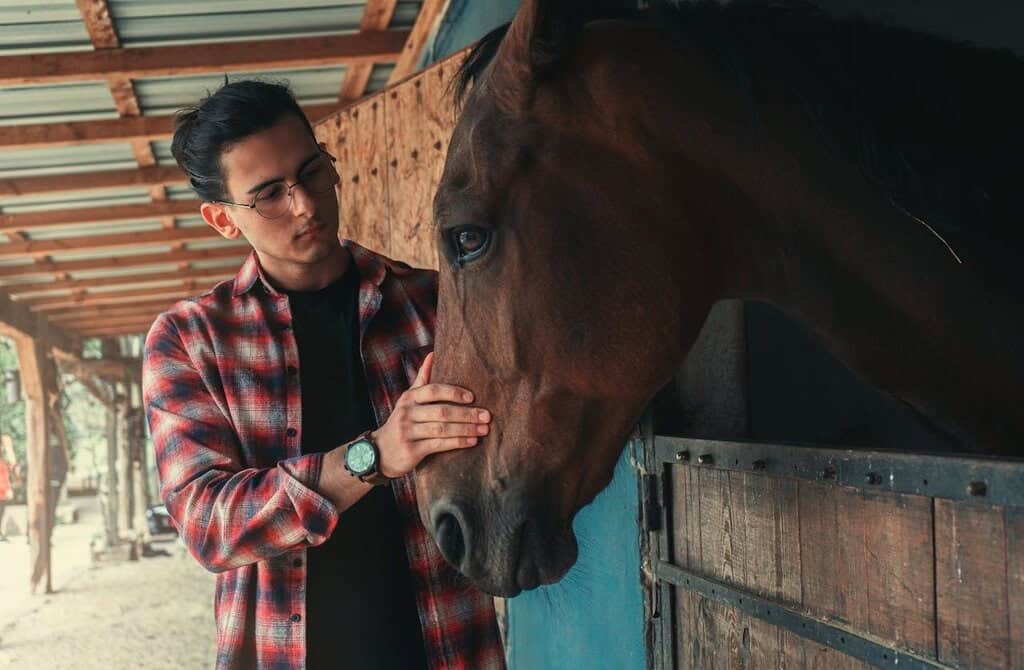
Equine-assisted therapy (EAT) is a structured, clinically guided form of treatment that uses interactions with horses to support mental health goals. It is not horseback riding lessons. Most equine therapy sessions take place on the ground, where participants engage in activities like grooming, leading, and simply being present with the animal under the guidance of a licensed mental health professional and a certified equine specialist.
The therapeutic power comes from the horse’s nature. Horses are prey animals with highly developed threat-detection systems. They read body language, emotional states, and subtle shifts in energy with remarkable accuracy. When a veteran approaches a horse while carrying tension, anxiety, or suppressed anger, the horse notices and responds. That mirroring effect creates immediate, honest feedback that no therapist can fully replicate.
The Neuroscience Behind the Horse-Human Connection
Spending time with horses has been shown to activate the parasympathetic nervous system, the part of the body responsible for the “rest and digest” response that sits opposite to the fight-or-flight state so many veterans live in chronically. Studies have found that interacting with horses can lower cortisol levels and increase oxytocin, a neurochemical associated with trust and social bonding.
For veterans whose nervous systems have been shaped by prolonged threat exposure, this physiological shift is not a small thing. It is often the first time their body has felt genuinely safe in months or years.
Why Veterans Respond Differently to Equine Therapy
One of the most consistent things clinicians observe is that veterans who are resistant to conventional therapy often open up in the presence of horses. Several factors explain this pattern.
First, equine therapy sidesteps the stigma that mental health treatment still carries in military culture. Working with horses feels practical and physical rather than clinical. For a veteran who was taught that seeking help is a sign of weakness, grooming a horse or learning to lead one through obstacles does not feel like “going to therapy,” even when meaningful therapeutic work is happening underneath.
Second, the barn environment itself carries a different social contract. There is no couch, no clipboard, and no sense of being observed and evaluated. The focus is on the horse, which paradoxically allows veterans to lower their guard and access emotions that are otherwise defended.

Addressing Hypervigilance Through Equine Work
Hypervigilance is one of the most disruptive PTSD symptoms veterans describe. The constant scanning for threats, the inability to sit with their back to a door, the exhausting alertness that never fully powers down. Horses, because they are also hypervigilant by nature, offer a unique therapeutic mirror.
When a veteran learns to regulate their own nervous system to approach or work with a horse calmly, they are practicing precisely the emotional regulation skills that PTSD treatment aims to build. The horse becomes a biofeedback partner, responding positively when the veteran finds groundedness and stepping away or acting out when anxiety is unmanaged. This is skills training embedded in a non-clinical, experiential format.
Building Trust When Trust Has Been Broken
Combat often involves profound betrayal, whether from leadership failures, the loss of fellow service members, or witnessing circumstances that shattered a veteran’s sense of how the world should work. PTSD frequently involves a core disruption to the capacity for trust, and rebuilding that capacity is central to recovery.
Horses do not deceive. They do not manipulate, judge, or carry an agenda. A horse’s response to a veteran is always immediate, honest, and uncomplicated by human social dynamics. For someone whose trust in people has been seriously damaged, the relational simplicity of a horse can be profoundly healing.
This is one reason why an equine treatment center in Georgia and other ones across the nation have seen strong outcomes with veteran populations. The combination of rural landscapes, working farm environments, and equine therapy programs creates conditions where veterans feel less like patients and more like themselves.
From Isolation to Connection: The Social Benefits of Equine Work
PTSD frequently drives social withdrawal. Veterans often describe pushing away family members, avoiding public spaces, and feeling fundamentally disconnected from people who have not shared their experiences. Equine therapy creates a natural bridge back toward connection.
Group equine therapy sessions, where veterans work alongside one another with horses, rebuild the kind of nonverbal, mission-focused teamwork that many veterans thrived on in service. The shared goal of working with a large, responsive animal creates organic opportunities for communication, collaboration, and mutual support that feel earned rather than prescribed.
What Does the Research Say?
The evidence base for equine-assisted therapy with veterans continues to grow. A 2020 study published in the Journal of Veteran Studies found meaningful reductions in PTSD symptom severity among veteran participants who completed equine therapy programs. Research from the Human-Animal Bond Research Institute has documented improvements in depression, anxiety, and social functioning associated with animal-assisted interventions.
The Department of Veterans Affairs has recognized equine-assisted therapy as a complementary and integrative health approach, and a growing number of VA-affiliated programs now offer or refer veterans to equine therapy as part of a comprehensive treatment plan.
How Equine Therapy Fits Into a Broader Treatment Plan
It is worth being clear: equine therapy works best as part of a comprehensive treatment approach, not as a standalone intervention. Most reputable programs integrate equine sessions with evidence-based modalities like Cognitive Processing Therapy, EMDR, or trauma-informed individual counseling.
Think of equine therapy as a way of opening the door. The horse creates safety, reduces physiological arousal, and helps a veteran access emotional states that would otherwise remain defended. That opened space then allows evidence-based clinical work to go deeper and move faster than it might otherwise.
Practical Questions Veterans Often Ask
Many veterans considering equine therapy have questions before they commit to the process, which is entirely understandable. Here are answers to the most common ones.
Do I need experience with horses? No. Most equine therapy programs are designed for people with no prior horse experience. The equine specialist handles safety and handles the horse-handling basics so the veteran can focus on the therapeutic work.
Is it safe? Yes, when conducted by a properly credentialed program with certified equine specialists and licensed mental health professionals. Reputable programs follow safety protocols established by organizations like the Professional Association of Therapeutic Horsemanship International (PATH Intl.).
How long does it take to see results? Many veterans report noticing something meaningful after just a few sessions, though sustainable change typically requires a full program commitment of eight to twelve weeks or more.
Who Is Equine Therapy Best Suited For?
Equine therapy tends to be particularly effective for veterans who are resistant to traditional talk therapy, those who struggle with emotional numbness or difficulty accessing feelings, veterans dealing with moral injury alongside PTSD, and those who have found limited relief from medication alone. It is also a strong fit for veterans who respond well to physical, outdoor environments and who find meaning in working with animals.
A Different Path to the Same Goal
Healing from PTSD is not linear, and no single treatment works for everyone. What equine therapy offers is a pathway that honors the way many veterans experience the world: through action, through sensory engagement, through trust that is earned rather than assumed. The horse asks nothing except presence, and in that simple demand, veterans often find something they have been looking for since they came home.
For veterans and families exploring treatment options, equine therapy deserves serious consideration as part of a thoughtful, individualized care plan.