

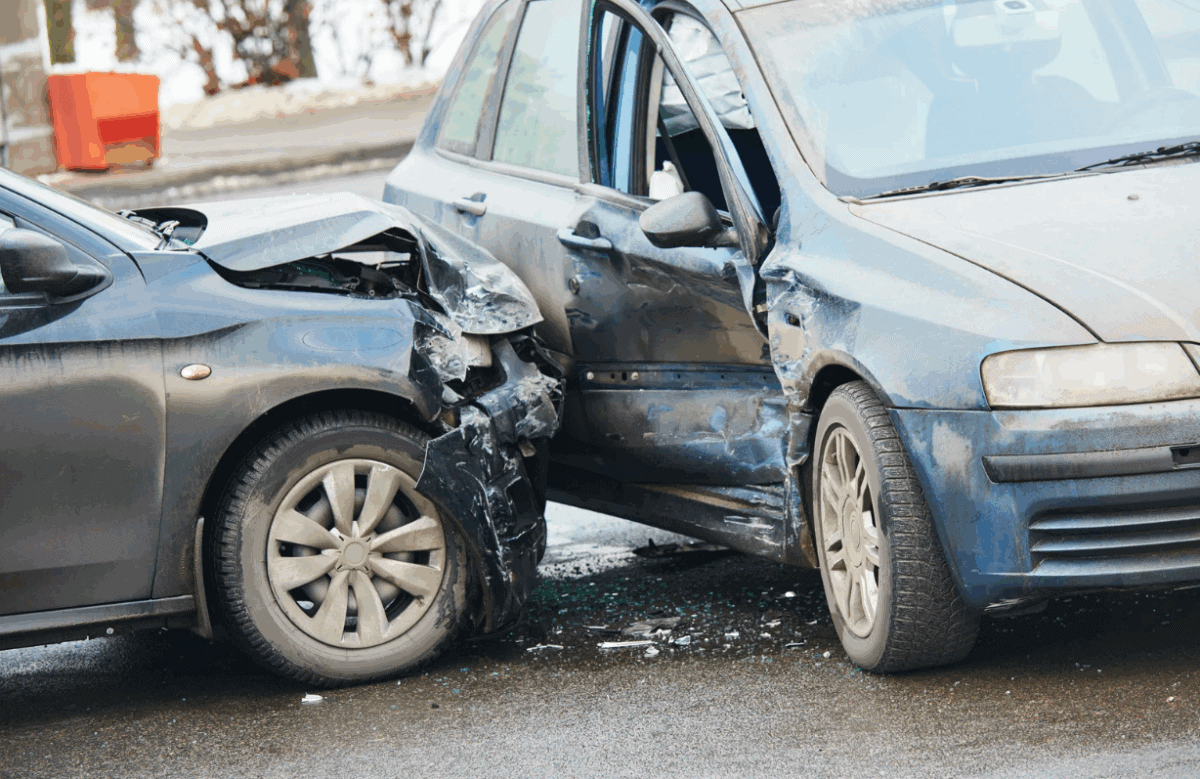
The final resolution of many claims begins with the decisions made by individuals during the immediate, stressful first hour. NHTSA reported that there were approximately 6.18 million motor vehicle accidents reported to the police in the United States in 2024. These crashes caused 2.42 million injuries and nearly 40,000 deaths.
There are typical errors after an accident. It happens especially for individuals who are stressed, injured, and unaware of how to deal with the situation. Careless choices in those first hours can weaken a claim and leave a thin record of what happened.
But there are guides on what to do after a car accident so you can get back on the right track and recover from the incident. And learning that is what’s important.
Apologizing Is Not the Problem. Assigning Fault Is.
An apology after a car accident can be treated as an admission of fault, especially when paired with statements accepting responsibility.
The cost of that apology depends on the state. In North Carolina, an apology that reads as admission of guilt can bar the entire claim. Agreeing to let the incident go is the other common mistake, since injuries sometimes appear weeks later. Lawyers in that state plan around the fault rule every day.
North Carolina motorists who are injured can turn to Mooresville car accident lawyer Richard Yeoman for legal representation in motorcycle, truck, car, pedestrian, bicycle, impaired driving, and wrongful death cases. A driver who shares any blame for a crash in North Carolina can lose the right to recover damages entirely.
The Same Admission Costs Different Amounts in Different Places
Mississippi is different. The state follows pure comparative fault, so a jury reduces a plaintiff’s award by that plaintiff’s share of fault. Partial fault costs only a portion of the damages, while any fault can void the claim entirely in states like North Carolina.
A few places still apply the all-or-nothing system, so a simple roadside apology carries different risk depending on location.
Most states fall between these two approaches, reducing an award by the plaintiff’s share of fault and barring recovery once that share reaches 50 or 51 percent.
Waiting To Get Checked Out
The gap between a crash and the first medical visit turns into an argument later. Adrenaline hides soft tissue injuries for a day or two, and the person who drives home feeling fine and sees a doctor on Thursday has handed the other side a version of events in which nothing much happened on Monday.
Nobody reads a treatment record as a story about pain. It gets read as a timeline, and gaps in that timeline are treated as evidence.
Not Documenting The Scene
Even before an insurance claim is filed, vehicles that have sustained damage are sold, repaired, or determined to be total losses. If the vehicle and its damage are not documented with photos, it may be impossible to determine how the accident occurred. The claim will be more difficult to resolve, as the vehicle and its damage will likely be sold or lost too. Any photos taken before repair or disposal carry real weight.
Another important thing is to photograph the scene. Details worth capturing include vehicle positioning, other vehicles’ license plate numbers, intersection layout, weather conditions, and skid marks. Most people don’t think to photograph these details, and their absence becomes a problem, especially when differing statements of the collision are presented.
The first couple of hours after a crash usually offer the best chance to collect evidence. Once the vehicles are towed and the road is cleared, much of that evidence can disappear. Evidence rules also determine whether photos and records are admissible in court.
Talking Too Early And Too Much
Insurers send adjusters to take a quick statement within days of the crash. The questions may seem routine, but they can have legal consequences. Some probe a driver’s state of mind at the time of the accident, and the answers can become part of the permanent claim file.
A social media post can still hurt a claim months after the accident. Insurers will check social media and often interpret posts in different ways. For instance, pictures posted weeks after an injury might suggest a quicker healing time and less damage. A single photo rarely shows the full picture.