

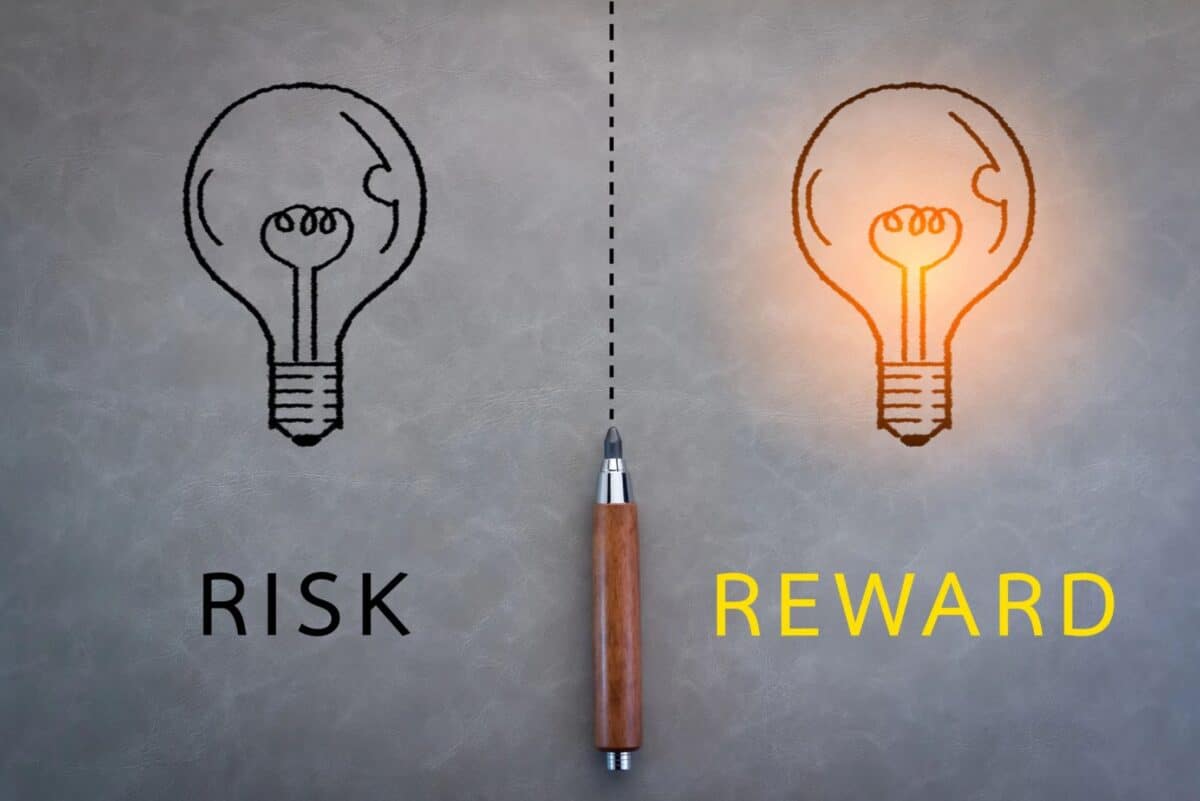
Taking risks is a part of life, from starting a new job, to making a bet. It can lead to immense rewards, as well as troubles. It is not only psychologists who should know why we are attracted to risk, but all of us.
Why Our Brains Like Risk
In essence, the act of risking is a battle between wishing to win and being afraid to lose. The neurotransmitter dopamine is released by our brain when we anticipate some sort of reward, and we feel a certain degree of joy. This would make the possibility of victory itself thrilling.
Recent studies indicate that there is something significant behind the reason why individuals take up more risk in the long run: we become accustomed to the emotion. In a recent study in 2025, participants were made to walk on a virtual plank. They discovered that once they did it several times, people were less scared and excited. This condition caused them to become greater risk-takers. In other words, the alarm bells in our heads ring less. This is why it is possible to begin gambling on a small scale and then gradually increase to larger bets in order to gain a sensation of the first rush.
How Online Gambling Keeps You Playing
Psychological tricks are the foundation of the gambling business, particularly online casinos. Games are strategically formulated to tap into our minds’ cognitive shortcuts and to hold us down in our chairs. The best case in point is the so-called near miss: for instance, when a slot machine is one symbol short of a jackpot.
It has been proven that near-misses do not feel like ordinary losses. They, in fact, stimulate people to play more, spin more, and bet more money. It is in part how our brain rewards a close call, since we receive a small dose of dopamine and feel like giving it one last go. Combined with the constant and very convenient access to online gambling, this design forms a potent hook.
It is evident in the real world. Ever since sports betting on the internet became legal in many areas, the number of people seeking assistance for the addiction has risen significantly. The online systems have a much larger increase in problem gambling than the traditional casinos have ever achieved.

How to Make Safer Choices in a World of Risk
Good information is the best defense in this kind of landscape. You should do your research before utilizing any gambling site. See beyond the ads. Check to see whether the site is actually licensed, has good security, and has good games. Above all, watch what type of safety equipment it provides players with.
It is at this point that professional views come in very handy. Simple, straightforward reviews, like this review of Stake casino, can give you all the information on how a platform works, what its bonuses are, and how its safety measures, such as deposit limits and time-out options, actually perform. The research will provide you with the chance to identify websites that, as far as the safety of users is concerned, care for or at least are attentive to the topic.
Tips for Staying in Control
Psychology not only explains the problem but also provides us with the means of keeping us safe. You can follow these tips:
- Establish your rules first: Use the safety tools on reputable sites. Have a clear limit on how much money you are going to deposit and lose, and the time period that you will play before you log in.
- Know the tricks: It is important to keep in mind that details such as near-misses are just elements that will make you continue playing. Just knowing about the design will help you keep a clearer head.
- Pay attention to numbness: When you become aware of a loss of thrill, or that you are no longer characterized by that habitual caution, that is a good warning. It means you’re getting used to the risk, and that’s when it’s time to stop betting.
- Get the facts: Find credible information on the matter such as the National Council on Problem Gambling. Reviews and actual user feedback should be read without bias before deciding to visit a new site.
Conclusion
We are risk takers, and the internet gambling market has provided an opportunity to take advantage of this factor very easily. As soon as we are brought to understand what is happening in our brains, the excitement, the danger, the feel-good chemicals, and how we can even become numb with time, we are now better placed to determine when we are enjoying ourselves and when we have to stop.
It is all a question of keeping a healthy relationship with risk. Just make sure that you are the one who is the risk taker, and you are the one who takes care of what matters most.