

Blood carries oxygen, nutrients, and immune support throughout the body. When an artery narrows or a vein fails to return fluid efficiently, tissue function may decline. Early symptoms can appear mild, yet untreated vessel disease may lead to ulcers, infection, stroke, or limb loss. Primary care clinicians often identify warning signs, while vascular specialists provide focused assessment, advanced imaging, and treatment for conditions affecting arterial and venous circulation. In areas like Corpus Christi, where active lifestyles and regional health patterns shape patient needs, access to specialized vascular care plays an important role.
Families and individuals looking for a vascular surgeon in Corpus Christi can benefit from understanding what these specialists evaluate and treat. During an appointment, the physician examines pulses, skin temperature, color, and tissue condition. Medical history also reveals risks linked with diabetes, tobacco exposure, elevated cholesterol, kidney disease, or previous clots. This focused process helps distinguish vessel disease from nerve, joint, or muscle disorders. The sections below explain the key warning signs, diagnostic steps, and treatment options involved in vascular care.
Choosing the Right Specialist
Persistent calf pain, ankle swelling, numbness, or a wound that refuses to close may require evaluation by a vascular specialist. A qualified physician will review symptoms alongside imaging and lab results before recommending a treatment path. Families should ask about the clinician’s experience with the specific condition, procedural options, follow-up protocols, and coordination with other providers. Choosing the right specialist helps ensure that care decisions reflect both medical evidence and the patient’s daily needs.
Recognizing Warning Signs
Knowing what to look for can help patients seek care before a minor issue becomes a serious threat.
Symptoms That Require Attention
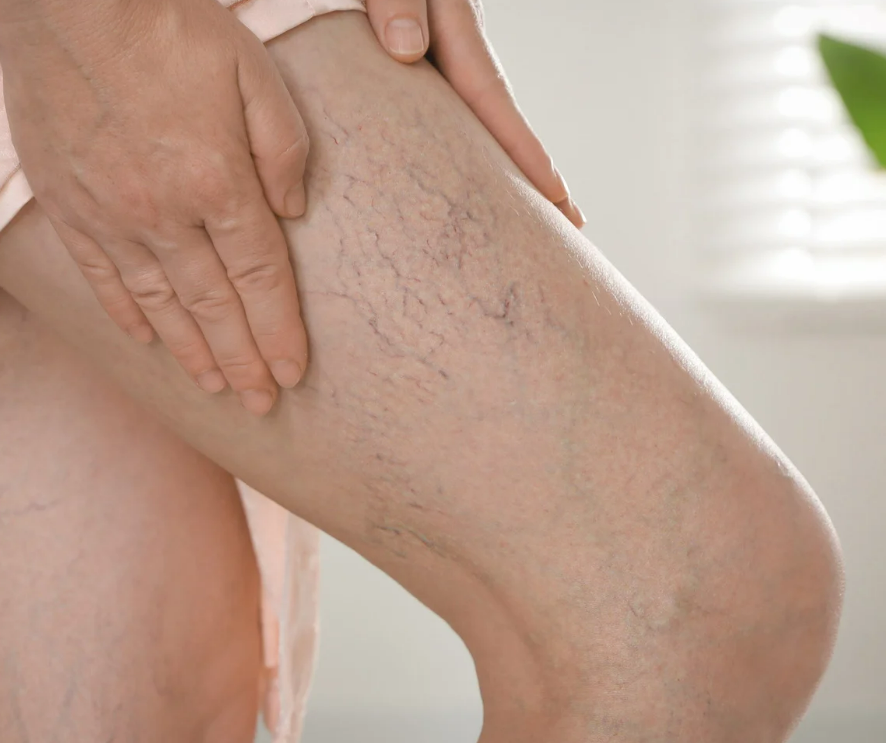
Arterial disease may cause cramping after walking, cold toes, pale skin, or weak pulses. Venous problems often produce heaviness, visible veins, ankle swelling, itching, or brown skin changes. A nonhealing sore deserves prompt evaluation, particularly when diabetes is present. Sudden severe pain, marked swelling, unusual weakness, or a cool, pale limb may signal an emergency requiring immediate medical care.
Measuring Blood Flow
A reliable diagnosis depends on measurable changes, not symptoms alone. The ankle-brachial index compares pressure at the ankle with pressure in the arm, helping identify reduced arterial supply. Duplex ultrasound displays vessel structure and blood movement in real time. Computed tomography or magnetic resonance imaging may map complex narrowing before intervention. Results help determine severity, urgency, and the most suitable therapy.
Managing Peripheral Arterial Disease
Peripheral arterial disease develops when plaque restricts blood delivery to the legs. Patients may notice aching during activity that eases with rest. Smoking, diabetes, hypertension, kidney disease, and abnormal cholesterol can increase risk. Federal research on arterial disease confirms that supervised exercise, medication, and lifestyle changes can improve outcomes for affected patients. Care may also include nutrition changes, smoking cessation, or an endovascular procedure. Foot surveillance remains essential because inadequate oxygen delivery can delay repair after minor injuries.
Protecting Limb Health
A persistent ulcer, darkened tissue, or pain at rest may indicate advanced arterial insufficiency. Without treatment, a small break in the skin can progress into infection or tissue death. Specialists assess wound depth, oxygen availability, circulation, and bacterial involvement. Findings may support revascularization, wound management, antibiotics, or collaboration with other clinicians. Earlier intervention can preserve mobility and reduce amputation risk.
Treating Vein Disorders
Venous disease occurs when valves fail to move blood upward against gravity. Fluid then accumulates in the lower legs, causing pressure, aching, itching, skin thickening, or ulcers. Duplex imaging can reveal reflux, obstruction, or a clot. Treatment may include compression garments, walking, elevation, medication, or a minimally invasive vein procedure. The plan depends on symptoms, anatomy, clot history, and general health.
Considering Minimally Invasive Care
Selected blockages can be treated through a small access site rather than a large incision. A catheter may deliver a balloon, stent, or medication to restore passage through a narrowed vessel. Other procedures seal abnormal vessels or remove clots. Recovery may be shorter for suitable candidates, but screening remains important. Kidney function, bleeding risk, anatomy, and current medicines influence procedural safety.
Coordinating Long-Term Prevention
Restoring circulation addresses one problem, but risk factors still require attention. Patients may need ongoing control of glucose, blood pressure, cholesterol, weight, and tobacco exposure. Regular activity supports muscle conditioning and vascular function when medically appropriate. Follow-up visits track walking tolerance, skin changes, wound healing, medication effects, and imaging results. A consistent plan can identify deterioration before an urgent complication develops.
Supporting Informed Decisions
Clear explanations help patients weigh treatment choices with confidence. A specialist should discuss the diagnosis, test results, expected benefit, possible complications, and alternatives. Useful questions include how severe the narrowing is, what may happen without treatment, and which warning signs require urgent help. When care reflects personal goals, patients are more likely to follow medication instructions, attend reviews, and protect vulnerable tissue.
Conclusion
Serious circulation disorders deserve specialist attention because vessel damage can advance quietly. A vascular physician connects physical findings with blood-flow measurements, disease risks, and treatment options. Prompt assessment may protect skin, muscle, and nerve tissue before permanent injury occurs. Patients with recurring leg symptoms, swelling, numbness, or slow-healing wounds should seek medical guidance. Appropriate care can reduce complications, preserve movement, and support healthier circulation over time.