

When someone is working through addiction recovery or managing a mental health condition, the path forward rarely follows a straight line. Traditional therapies, medication management, and peer support all play important roles, but many patients describe a persistent gap. They follow the clinical roadmap and still feel untethered, as if something deeper has not been reached.
Sound therapy is increasingly filling that gap. Rooted in both ancient practice and modern neuroscience, it offers a way to access the nervous system directly through vibration and auditory experience, without requiring language, insight, or effortful engagement. For populations who often struggle with verbal processing due to trauma, withdrawal, or emotional dysregulation, that distinction matters enormously.
What Sound Therapy Actually Involves
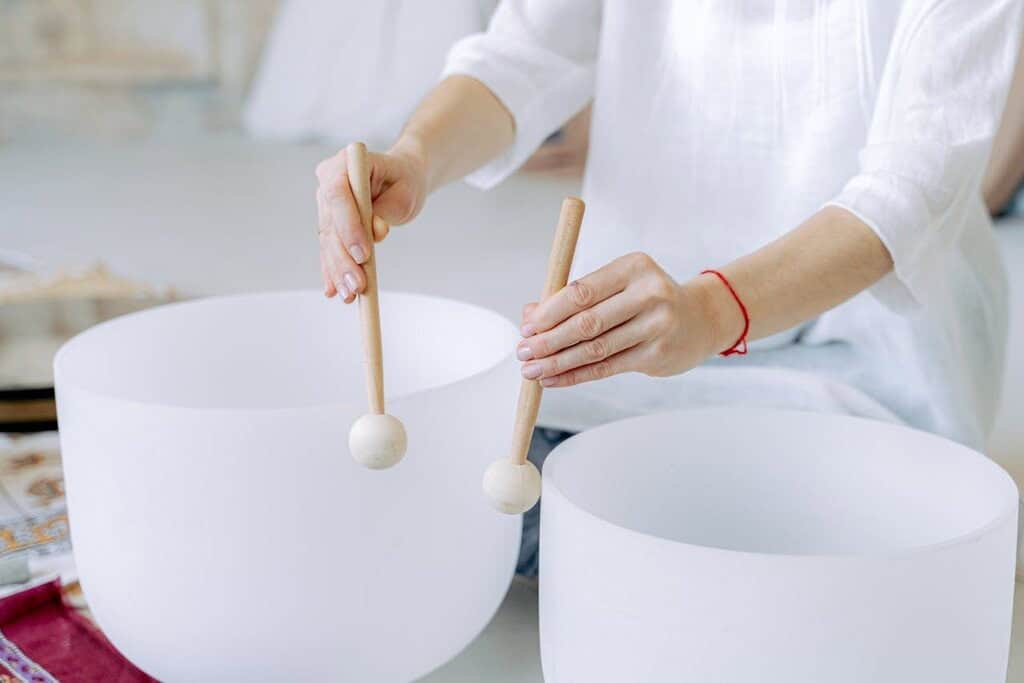
Sound therapy is not a single technique. It is a collection of practices that use acoustic stimulation to influence the body and mind. These include Tibetan singing bowls, crystal bowls, gong baths, tuning forks, binaural beats, and guided sound meditations. Some forms are passive, where the patient simply receives sound while lying down. Others are participatory, involving vocal toning or rhythmic drumming.
What connects all of these approaches is the underlying mechanism: sound waves travel through the body as physical vibrations, not just auditory signals. The skin, bones, and organs all respond to frequency. This is why a low-frequency gong can produce a felt sense of calm in the chest, or why certain rhythmic drumming patterns are described as grounding rather than stimulating.
The Role of the Nervous System
At the core of sound therapy’s effectiveness is its relationship to the autonomic nervous system. Many people living with addiction or mental health conditions spend significant time in a state of sympathetic activation, the fight-or-flight mode that keeps the body braced for threat. Chronic stress, withdrawal, and unprocessed trauma all contribute to this pattern.
Specific sound frequencies and rhythms can encourage a shift toward parasympathetic activation, the state associated with rest, digestion, and emotional regulation. Research into this area has grown considerably over the past decade, with studies examining how rhythmic auditory stimulation influences heart rate variability, cortisol levels, and brainwave activity.
How This Applies to Addiction Recovery
Substance use disorders involve more than a behavioral pattern. They reshape the brain’s reward circuitry, disrupt sleep architecture, heighten anxiety, and often sit alongside unaddressed trauma. Standard detox and counseling address many of these issues, but the body often lags behind the mind in recovery.
Sound therapy offers a body-based intervention that can support the physiological dimensions of healing. During early recovery, especially when emotional volatility is high and coping skills are still being rebuilt, the non-verbal nature of sound sessions can provide relief without requiring the patient to articulate or analyze what they are experiencing.
Addressing the Trauma Connection
A large percentage of people entering addiction treatment carry histories of adverse childhood experiences or adult trauma. Traditional talk therapies, while valuable, can sometimes reactivate distress before a person has the internal resources to process it effectively. Sound-based approaches work differently.
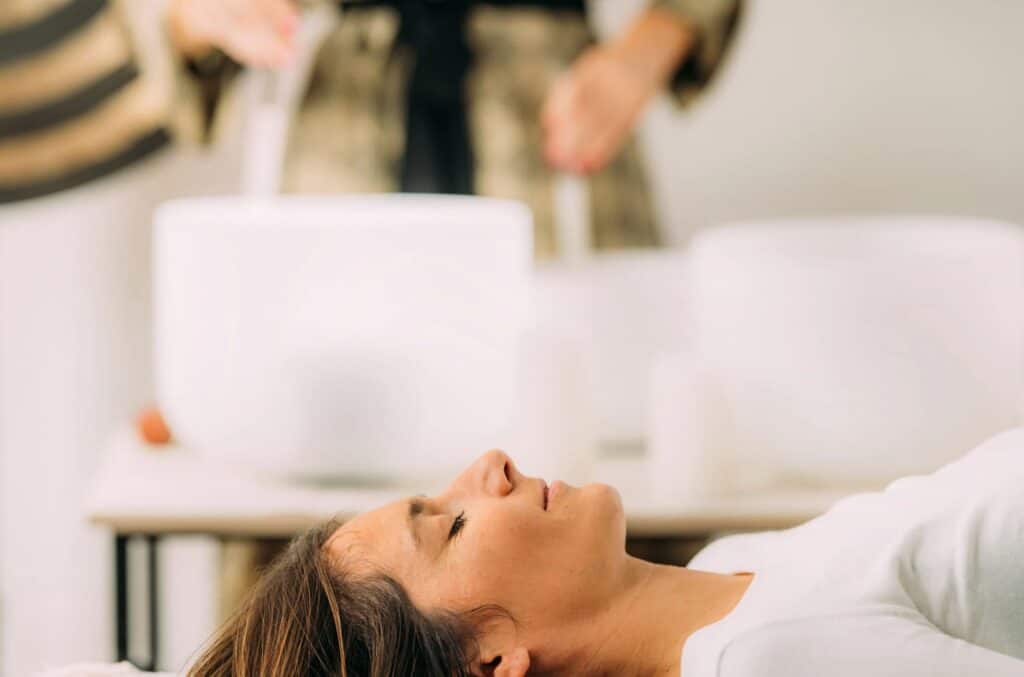
Practices like sound baths engage the body’s felt sense, which allows emotional material to move through the system more gently. Clinicians who integrate sound therapy into trauma-informed care describe it as a way of building somatic safety before deeper therapeutic work begins. At a holistic rehab in Southern California, for instance, sound therapy is often sequenced early in treatment precisely because it helps patients develop a sense of bodily trust and calm.
Mental Health Conditions That Respond Well to Sound-Based Approaches
Depression, anxiety disorders, PTSD, and insomnia are among the conditions most studied in relation to sound therapy. The evidence base is still developing, but the clinical rationale is grounded in established neuroscience.
For anxiety, the repetitive, predictable nature of many sound therapy practices activates the orienting response, a neurological process through which the brain determines that an environment is safe. This response is often impaired in people with anxiety disorders. For depression, the social and sensory engagement involved in group sound sessions can counter the isolation and sensory withdrawal that frequently accompany low mood.
Binaural Beats and Brainwave Entrainment
One of the more studied mechanisms in sound therapy is binaural beat technology. When two slightly different frequencies are delivered separately to each ear, the brain perceives a third frequency equal to the difference between them. This perceived beat can encourage the brain to shift toward specific brainwave states.
Delta and theta frequencies are associated with deep rest and meditative states. Alpha frequencies correlate with relaxed alertness. Research suggests that regular exposure to binaural beats in these ranges may support sleep quality, reduce anxiety, and improve focus. For patients managing co-occurring disorders, the ability to modulate one’s own mental state using a simple audio tool has practical value that extends well beyond the treatment setting.
Integrating Sound Therapy Into a Broader Treatment Plan
Sound therapy works best as part of a comprehensive approach rather than as a standalone intervention. Treatment teams that integrate it thoughtfully tend to position it alongside other evidence-based practices such as cognitive behavioral therapy, medication-assisted treatment where appropriate, and peer support groups.
The timing and setting of sound therapy also matter. Sessions conducted in a calm, comfortable environment with appropriate guidance produce better outcomes than those introduced hastily or without a clinical context. Patients benefit from understanding what they are experiencing and why, which increases engagement and reduces the anxiety that some people feel when encountering unfamiliar practices.
Questions Patients and Families Often Ask
People considering sound therapy for themselves or a loved one often wonder whether it is backed by science, how quickly it produces results, and whether it is appropriate for someone in acute withdrawal or psychiatric crisis.
On the science: the evidence is promising and growing, though researchers continue to work toward more rigorous clinical trials. On timing: many patients report noticing a difference in their stress levels and sleep quality within the first few sessions, though stronger effects tend to accumulate over weeks of consistent practice. On appropriateness: most clinicians recommend that sound therapy be introduced after medical stabilization, and that sessions be modified or paused if a patient shows signs of distress.
Building a Harmonious Balance with Sound Therapy
One of the more underappreciated aspects of sound therapy is how readily it translates into self-directed practice after formal treatment ends. Unlike many clinical interventions, it requires minimal equipment and no professional supervision for maintenance use. A patient who learned to use binaural beat recordings or simple breathwork paired with singing bowl audio during treatment can continue that practice independently.
This continuity matters because recovery and mental health maintenance are long-term projects. Having accessible tools that support nervous system regulation on an ordinary Tuesday, not just during a scheduled therapy appointment, builds the kind of resilience that sustains long-term wellbeing.
The patients who tend to benefit most from sound therapy are those who approach it with curiosity rather than expectation. It is not a replacement for clinical care, and it does not resolve the underlying causes of addiction or mental illness on its own. What it offers is a reliable pathway into the body’s own capacity for calm, and in the context of recovery, that capacity is worth cultivating.