

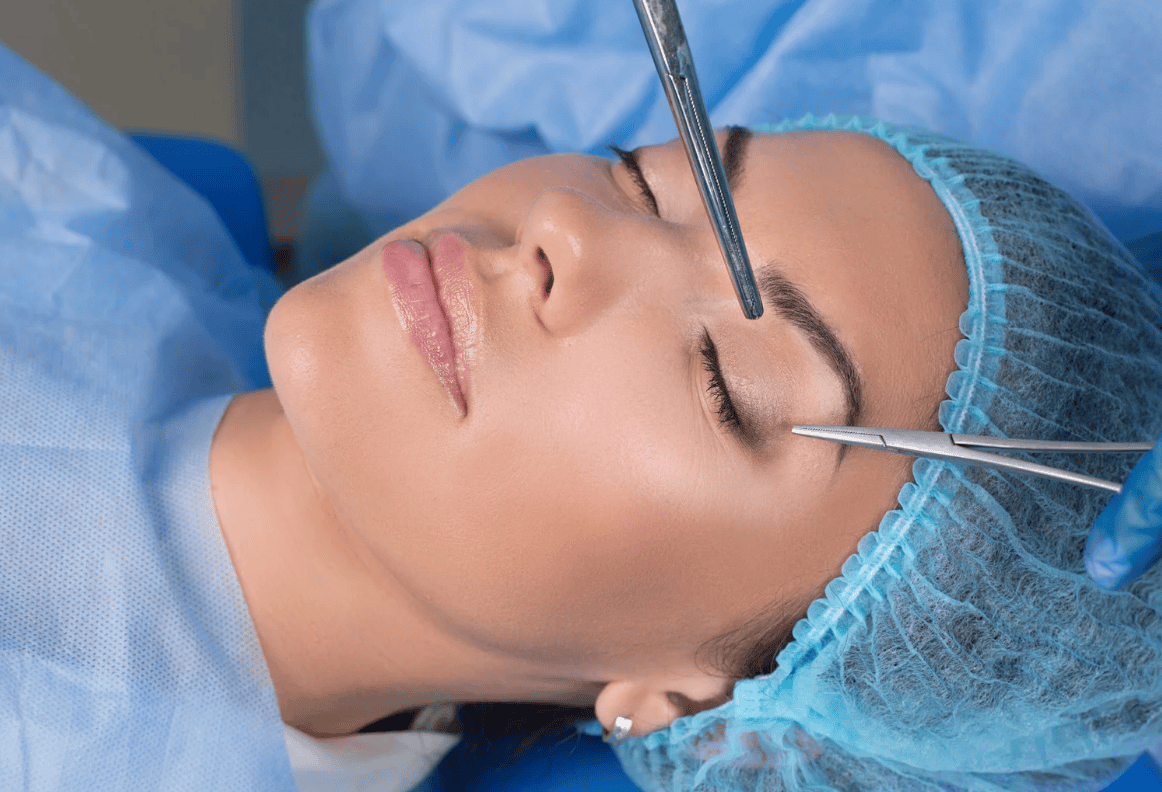
Have you ever looked in the mirror and felt that your eyes make you look more tired than you really are? Maybe your upper eyelids seem heavy, or the skin under your eyes looks puffy even after a good night’s sleep. Eyelid surgery can help with some of these concerns, but it is important to know what the procedure can and cannot change before making a decision.
The goal is to feel comfortable with your choice and have a clear idea of what recovery and results may look like. This is especially important because the area around the eyes is delicate, and even small changes can affect your overall appearance.
Here are a few ways to set realistic expectations before your surgery in San Francisco.
1. Understand What Eyelid Surgery Can Actually Improve
Eyelid surgery, also called blepharoplasty, removes or adjusts extra skin and fat around the eyes. Upper eyelid surgery can help reduce heavy folds that make the eyes look smaller or, in some cases, block part of your vision. Lower eyelid surgery can help reduce the look of puffy bags and loose skin beneath the eyes.
However, the procedure has limits. It will not remove every wrinkle around your eyes, fix all dark circles, or stop the natural aging process. Moreover, crow’s feet and forehead lines may need different treatments.
Understanding these limits helps you focus on the changes surgery is meant to make. You are more likely to feel happy with your results when your goals match what the procedure can safely achieve.
2. Know That Everyone’s Results Will Look Different
It is easy to look at before-and-after photos and hope your eyes will look exactly like someone else’s. But eyelid shape, skin thickness, facial structure, and the amount of extra skin vary from person to person.
Your natural features play a big part in the final result of your eyelid lift in San Francisco. A good surgical plan should work with your face rather than try to copy another person’s appearance. Patients seeking an eyelid lift should therefore discuss how upper or lower eyelid surgery may address their personal concerns. The right plan depends on what needs attention and how much change is suitable for their features.
3. Be Clear About What Bothers You Most
Before your consultation, take some time to think about what you would like to change. Is it the loose skin above your eyes? Do you feel that under-eye bags make you look tired? Or does sagging skin make it harder to see clearly?
Try to explain your concerns in simple terms. You can even write them down so you do not forget anything during your visit.
It also helps to bring up what you do not want. For example, you may want a fresher look but still want your eyes to keep their natural shape. Sharing these details gives the surgeon a better idea of your goals and helps you understand what is possible.
4. Ask About the Risks and Possible Side Effects
Every surgery comes with some risks, and eyelid surgery is no different. You may have swelling, bruising, dry eyes, or temporary trouble closing your eyes fully while healing. Other possible problems include infection, bleeding, scarring, or changes in eyelid position.
This does not mean these problems will happen, but you should know about them before agreeing to surgery. Your medical history, eye health, and any medicines you take may affect your treatment plan.
A 2025 report from the American Society of Plastic Surgeons says that eyelid lift tops the list as the most performed surgical procedure in the United States. This shows how common the procedure is, but it does not mean it is right for everyone.
5. Prepare for the Recovery Period
You may be excited about the results, but remember that your eyes will need time to heal. Swelling and bruising are common during the first days after surgery. You may also notice tightness or mild discomfort around the treated area.
Many patients need about a week away from work or their usual routine, although healing time can vary. Your surgeon will explain when you can return to exercise, wear contact lenses, drive, and use makeup.
Before surgery, it helps to prepare your home and daily schedule. You may want to:
- Arrange for someone to drive you home after the procedure.
- Keep cold packs and any recommended medicines ready.
- Take time off work and avoid strenuous activity until cleared.
- Follow your surgeon’s instructions for sleeping and caring for your eyes.
Having these details sorted out can make the first part of recovery less stressful.
6. Remember That Aging Will Continue
Eyelid surgery results can last for many years, while natural aging may still affect the area. Your skin will continue to age, and factors such as genetics, sun exposure, and lifestyle can affect how your face changes.
This does not mean the results will disappear quickly. It simply helps to understand that your eyes may look different years after surgery than they do during the first few months of healing. Keeping this in mind can help you view surgery as one step in your long-term care rather than a permanent stop to aging.
Closing Thoughts
Realistic expectations begin with honest conversations and a clear understanding of your goals. Take time to ask questions, learn about the risks, and understand what recovery will involve.
A good result should suit your face, support your needs, and leave you feeling comfortable with your appearance. When you know what to expect before surgery, you can make your decision with greater peace of mind.