

Clear communication affects learning, play, safety, and relationships from the earliest years. A child may struggle with speech sounds, vocabulary, listening, fluency, feeding, or social exchange.
Speech therapy examines those skills with clinical care, then builds practice around daily routines. Families receive guidance they can use at home, during school tasks, and in peer settings where confidence often grows through repeated success.

Early Support Matters
Early care can prevent small speech or language gaps from widening. A pediatric speech therapy clinic can evaluate sound production, comprehension, oral motor control, social communication, and feeding patterns.
That evaluation helps caregivers see why concerns arise, which skills need attention, and how treatment can fit into meals, play, reading, and classroom routines.
What Therapists Assess
A speech-language pathologist studies how a child listens, moves the mouth, forms sounds, and combines words. The assessment may include play observation, caregiver interviews, oral examination, and standardized measures.
Results create a clinical baseline. From there, goals can address daily communication needs rather than broad concerns that are hard to measure.
Building Clear Speech
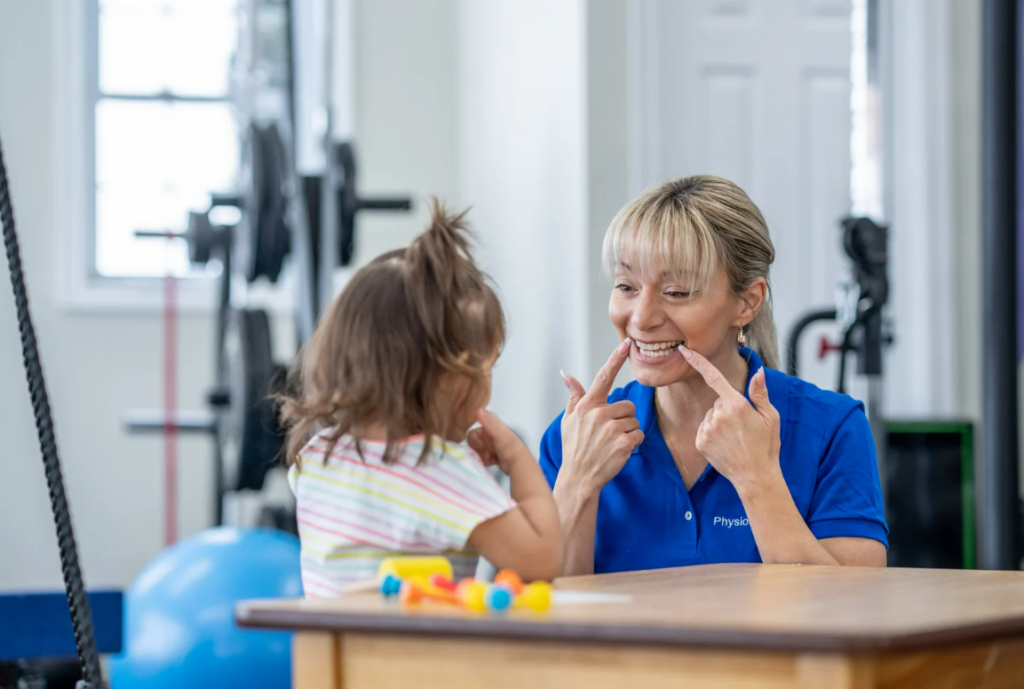
Some young speakers have strong ideas, but their speech isn’t clear. Therapy may focus on tongue placement, lip movement, breath control, sound sequencing, or rhythm.
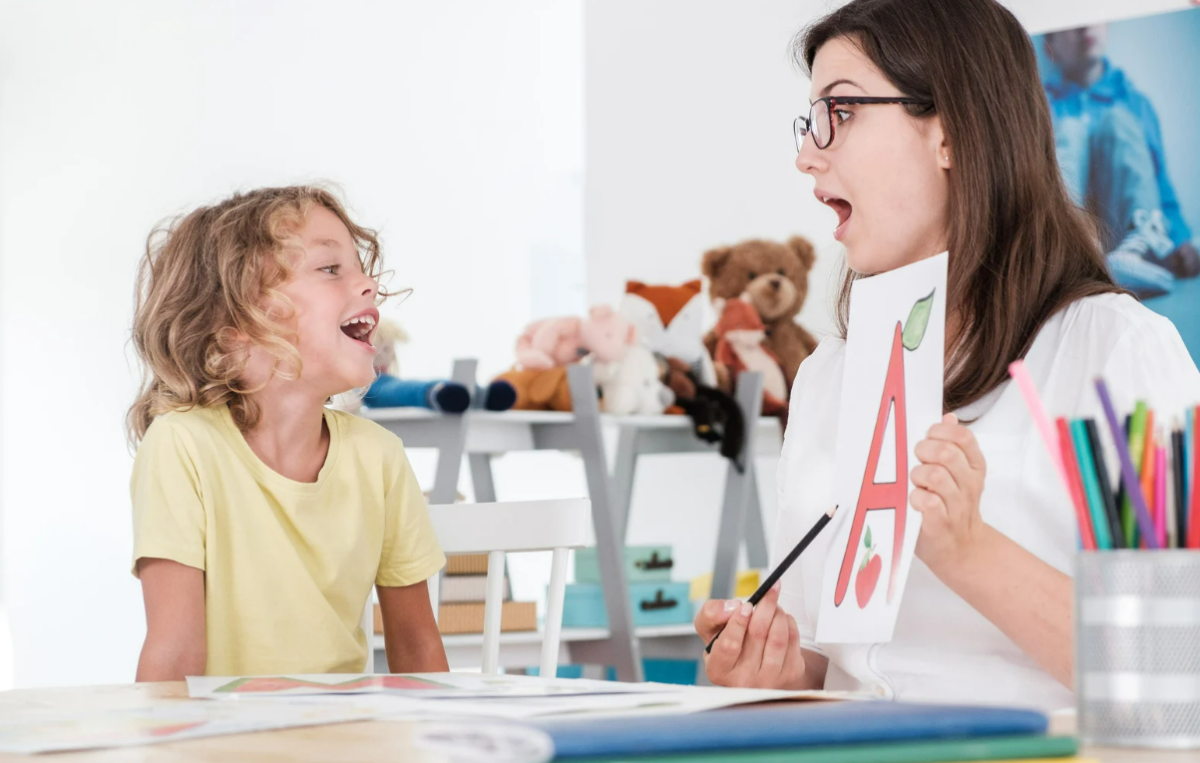
Practice often uses pictures, mirrors, play routines, and repeated models. As accuracy improves, frustration can decrease because listeners respond to the intended message more often.
Growing Language Skills
Language growth includes comprehension, expression, grammar, vocabulary, and narrative ability. A child may need help following directions, answering questions, describing events, or joining a classroom discussion.
Therapy strengthens these skills through structured tasks and natural conversation. Better language can support reading readiness, problem-solving, emotional expression, and participation across home and school settings.
Supporting Social Connection
Communication also depends on social timing. Children may practice greetings, turn-taking, topic shifts, personal space, facial cues, and repair strategies when messages break down.
These skills help during group play, shared learning, and family routines. Stronger social communication can reduce isolation because peers and adults understand intent with less effort.
Confidence Through Practice
Progress often comes from short, repeated attempts rather than one large breakthrough. Each session gives a child room to try a target, hear feedback, and adjust.
Goals are usually measurable, which helps families track change. When others understand more easily, many children speak more comfortably and join activities more willingly.
Family Carryover
Therapy gains become stronger when caregivers practice skills between visits. A clinician may teach modeling, expansion, sound cues, or choices during ordinary routines.
Meals, books, bath time, and play can all become useful practice moments. The aim is steady reinforcement, not pressure, so new communication patterns feel natural and manageable.
School Readiness
Classroom success depends heavily on listening and spoken language. Children must follow multi-step directions, answer questions, retell events, learn vocabulary, and request clarification.
Speech therapy can strengthen those abilities before academic demands rise. Better communication may also improve participation in group work, early literacy tasks, and teacher-led instruction.
Feeding And Oral Skills
Speech-language pathologists may also address feeding skills linked to oral movement, swallowing safety, texture tolerance, and sensory response.
A child with chewing or swallowing difficulty can become stressed during meals. Therapy may improve coordination and comfort while guiding families on pacing, positioning, food textures, and safer mealtime routines.
Tracking Progress
Effective therapy uses clear goals, regular data, and caregiver feedback. Families should know what their children practiced, where gains appeared, and which targets still need work.
Progress may look minor at first, such as a clearer sound or longer answer. Those steps matter because they build habits that carry over outside the therapy room.
Conclusion
Speech therapy helps children strengthen communication through careful assessment, skilled practice, and family guidance. It can improve speech clarity, language, listening, feeding, social exchange, confidence, and school participation.
Every child progresses at an individual pace, but consistent care can create meaningful change. When caregivers act early and stay involved, children gain better tools to express needs, share ideas, and connect with others.