10 Ways to Make Friends Around the World Through Meaningful Conversations

Most people assume that making a deep friend requires the right moment, the right setting, or some rare personal chemistry. The reality is more practical than that. Across cultures and time zones, real friendship almost always grows out of conversation habits that anyone can learn.

Making friends around the world through meaningful conversations starts with something most people overlook: small talk is not the enemy. It is the entry point. The ten habits below cover everything from asking the right open-ended questions to knowing when to listen, when to share, and when to simply follow up.

Best Random Chat Platforms to Meet New People

Random chat platforms are one of the fastest ways to practice meaningful conversations with people outside your usual circle. The best ones make it easy to start, give you enough control to feel safe, and offer features that help you move from a quick hello to an actual connection. If your goal is making friends around the world, look for platforms with strong moderation, optional interests or matching, and ways to reconnect with people you enjoyed talking to.

Emerald Chat

Emerald Chat is a solid pick if you want random video chat that feels a bit more intentional than pure roulette. It pairs you with strangers quickly, but it also leans into community features, which helps conversations feel less disposable. The big advantage is that it is designed for people who actually want to talk, not just scroll past faces. For introverts, or for those whose first thought in social situations is “I don’t like talking about myself,” platforms like Emerald Chat offer a low-pressure video chat environment where opening up feels far less daunting.

Omegle Alternatives (Like OmeTV)

OmeTV is one of the better-known Omegle-style alternatives, focused on quick video matching with a global user base. The main benefit is volume: you can meet a lot of people fast, which is useful if you are practicing how to start conversations, recover from awkward moments, and move from small talk to something more real. The tradeoff is that the experience can be hit-or-miss depending on who you match with. If you use it, go in with a simple approach: be polite, ask one thoughtful question early, and leave quickly if the vibe is off.

Chatroulette

Chatroulette is one of the original random video chat platforms, and it still attracts people who like the spontaneity of meeting strangers with zero context. It works well if you want a lightweight, low-commitment way to talk to people from different countries and communication styles. Because matches are fast, the key is to keep your opener simple and friendly, then add depth with one follow-up question that invites a story. Think less about having the perfect line and more about being consistent and curious. It is not always deep, but it can be surprisingly human.

Camsurf

Camsurf is often chosen for its straightforward interface and relatively quick onboarding, which makes it a good option if you want to jump into conversations without setting up a whole profile. It can be useful for casual social practice, especially if you are trying to get comfortable making eye contact on camera and keeping a conversation going for more than a minute or two. Like most random chat apps, your results depend on patience and boundaries. If you want meaningful conversations, you will do best by skipping fast, staying respectful, and prioritizing people who actually engage.

Monkey

Monkey is built around short, rapid-fire video chats, which makes it feel closer to social speed dating than a long-form conversation platform. That structure is great for learning how to connect quickly, read energy, and ask questions that get past surface-level answers in a limited time. If your goal is making friends, the trick is to treat each quick chat like a mini conversation workout: start warm, ask one open-ended question, and share one honest detail about yourself. You might not get depth every time, but you can build strong conversation habits fast.

Why Meaningful Conversations Create Stronger Bonds

Depth Creates Trust Faster Than Repeated Surface Chat

Most people spend years exchanging pleasant but forgettable small talk with the same person, never quite crossing into real friendship. The reason that gap persists has less to do with opportunity and more to do with the type of sharing involved.

Peer-reviewed research on interpersonal closeness shows that self-disclosure and reciprocity are the two core engines of developing emotional bonds. When one person shares something honest and the other meets it with equal openness, closeness accelerates in ways that repeated surface chat simply cannot replicate.

Authenticity matters here more than most people expect. Conversations that reveal values, experiences, or even small vulnerabilities signal to the other person that they are trusted, and that signal tends to be returned. Depth, in other words, is contagious.

Friendship Supports Belonging and Mental Health

Understanding how social identity shapes our bonds helps explain why the quality of friendship matters as much as the quantity. A person can have a wide social network and still feel disconnected if none of those relationships go beneath the surface.

Strong friendships consistently support mental health by reinforcing a person’s sense of belonging, which is one of the most fundamental human needs. When someone feels genuinely seen and understood in a conversation, it does not just feel good in the moment. It builds the kind of relationship that holds over time and distance.

This is especially relevant when forming deep connections across cultures, where shared context cannot be assumed and authenticity often does more work than any structured opener.

How to Get Past the Fear of Starting a Conversation

Starting a conversation with someone new can feel surprisingly high-stakes, even when the rational part of you knows the risk is small. The habits covered earlier are only useful if you can actually bring yourself to use them, so it is worth addressing what gets in the way.

Treat Rejection as Normal, Not as a Verdict

The fear of rejection is one of the most common reasons people avoid initiating conversation altogether. It makes the stakes feel personal and permanent, when in reality, most declined attempts at connection have far more to do with timing, mood, or circumstance than with the person reaching out.

Reframing rejection as a neutral data point rather than a social verdict takes practice, but it shifts everything. People with social anxiety often catastrophize a quiet response or an awkward pause, reading it as proof that connection is not available to them. It rarely is.

Make the First Goal Connection, Not Impressing

A lot of conversation anxiety disappears when the goal shifts from performing well to simply being present. When someone enters an interaction trying to impress, every pause feels like a failure. When the goal is connection, a moment of quiet or a clumsy sentence becomes far less threatening.

Leaving the comfort zone is easier when there is genuinely less to lose. Authenticity, rather than cleverness, is what most people actually respond to in a new acquaintance. A straightforward question or an honest observation will almost always land better than a polished opener.

What to Talk About When You Want Real Connection

Topic choice matters less than most people think. Two people can build a genuine connection talking about almost anything, as long as the exchange moves in layers rather than staying flat. What follows are a few approaches that tend to make depth easier to reach.

Questions That Invite Stories Instead of Short Answers

The most effective conversation starters invite the other person to reflect on something they have experienced, valued, or thought through. Questions like “what drew you to that?” or “how did that change things for you?” open doors that yes-or-no questions keep firmly shut. They signal genuine curiosity, and people can feel the difference.

How to Use the 36 Questions Without Sounding Scripted

Arthur Aron’s 36 questions were designed to build closeness through gradual self-disclosure, moving from lighter topics toward more personal ones. The structure works because it creates reciprocity naturally, with each answer inviting an equally honest response.

The mistake most people make is treating the list like a script. The actual value of the 36 questions is the principle behind them: that meaningful conversations move in layers, from the general to the specific, and from the observed to the felt. Borrowing that principle without following the questions word for word tends to produce more natural exchanges.

Picking two or three questions that feel genuinely interesting, then letting the conversation breathe from there, tends to work far better than cycling through a checklist.

Replies That Deepen the Exchange Naturally

Asking a good question is only half the work. What happens after someone answers is where active listening either shows or disappears.

A reply that references something specific from the other person’s answer signals that they were actually heard. Saying “that part about your grandmother, did that shape how you think about it now?” does more to deepen the exchange than moving straight to the next topic. The goal in these moments is not emotional intensity. It is steady depth, built one honest exchange at a time.

Making Global Friendships Work Across Cultures


Cross-cultural friendship adds a layer of complexity that purely local connection does not. Conversation norms, emotional pacing, and what counts as appropriate self-disclosure vary significantly across countries, languages, and communities, so the habits that come naturally in one context may land awkwardly in another.

Lead with Curiosity, Not Assumptions

The most reliable starting point is curiosity. Approaching someone from a different background with genuine interest rather than a set of preconceived ideas about their culture keeps the conversation open and the other person at ease.

Authenticity matters here in a specific way. People from any background can sense when curiosity is performative versus real, and real curiosity tends to be returned. Shared values, once they surface, often matter more to forming deep connections than having identical experiences or identical norms. Humility helps too, since assuming that a silence means discomfort, or that directness means rudeness, projects one cultural standard onto a conversation that may be operating by entirely different rules.

Watch for Humor, Pace, and Disclosure Norms

Humor is one of the subtlest cross-cultural variables. What reads as warmth in one context can feel dismissive in another, so it is worth moving slowly until the other person’s tone becomes clearer.

Pace and vulnerability follow similar logic. Some people move toward emotional disclosure quickly; others need considerably more time before opening up feels safe. Body language and eye contact are useful signals here, though their meanings are not universal either. The broader principle is the same one that applies to any meaningful conversation: follow the other person’s lead, respect their comfort level, and let depth build gradually rather than forcing it.

The Goal Is Not Perfect Conversation, but Real Interest

Meaningful conversations rarely require natural charisma or a flawless opening line. What they require is something far more accessible: genuine curiosity and the willingness to show up consistently, even when the exchange feels a little uncertain.

The habits explored throughout this article share a common thread. Small risks taken with authenticity tend to matter more than polished technique, and a sense of belonging grows from repeated, sincere exchanges rather than from any single memorable interaction.

Nobody needs perfect social skills to build real friendships across the world. Curiosity travels across languages, cultures, and time zones in ways that performance simply cannot. The invitation here is straightforward: stay interested, stay honest, and let connection build at its own pace.
The Psychology of Self-Confidence: How Aesthetic Treatments Influence Mental Well-Being

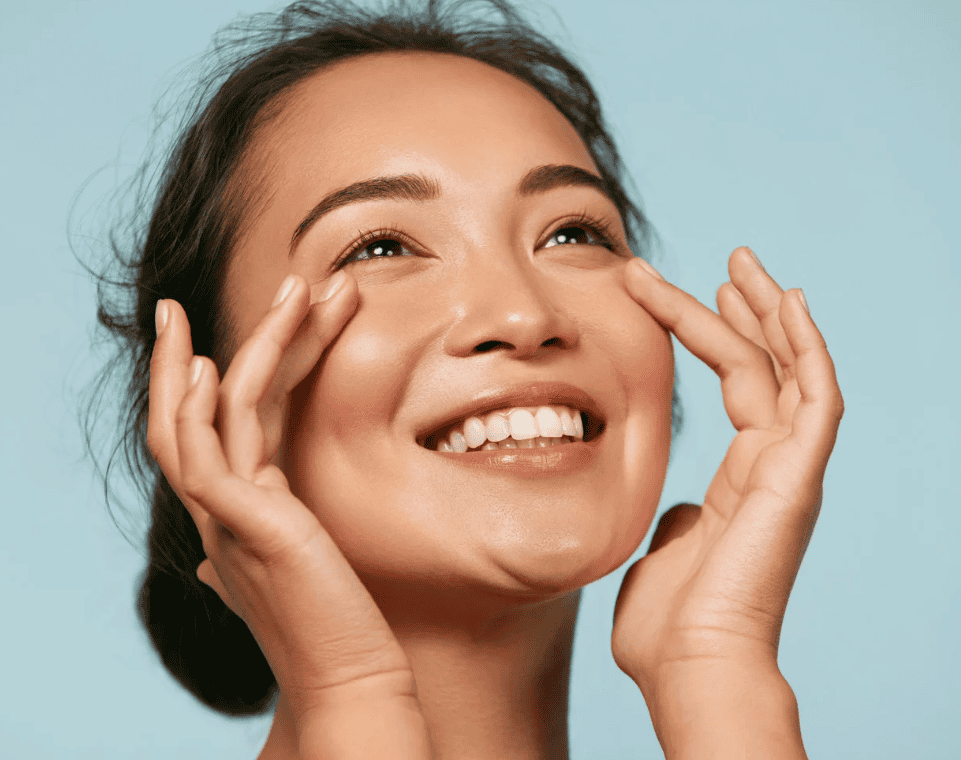
Of course, in a way that everyone can guess, self-confidence is such an amazing psychological phenomenon influencing how people view themselves and approach the whole world. Decision-making, status in relationships, career development, happiness and life satisfaction all depend on it. Although confidence is frequently addressed as something that gets inherited from personality characteristics or visual experiences, physical appearance has a genuine impact on self-image. And it is these aesthetic treatments that have come increasingly into the equation in recent years raising questions, particularly about their mental health impact.

We need to consider a nuanced new perspective to understand the relationship between self-confidence and aesthetic enhancement. And this has nothing to do with what things look like but how people read in and incorporate their external form. In a balanced and measured way that aesthetic treatment can help an individual live healthier by increasing self-esteem which in turn helps maintain emotional and psychological well being.

From the Prospective of Psychology: Understanding Self-Confidence

Your self-image is the product of many things both internal and external, which manifests either increasing or weakening self-confidence. Psychological theories propose development of confidence based on experience, feedback of others’ evaluations, and one self-evaluating capability and appearance.

This process is centered on body image. Customers who are feeling good about how they look feel more self-assured in their social lives and work place. Having low self image on the basis of physical attributes can shake up an individual and lead them into becoming socially withdrawn or suffering from anxiety as well.

It is this connection that makes aesthetic concerns, which are often dismissed as shallow or even narcissistic, an issue that has real psychological implications.

Social and Emotional Well-Being: The Importance of Appearance

Humans are social creatures, and a large part of our nonverbal communication is how we present ourselves. How people perceive you and treat you are often determined by the visual cues that provide our first impressions.

This may give rise to a vicious cycle. And Donald J. In the long run, these patterns may form a base for their self-esteem and mental well-being.

Moderately used aesthetic treatments can help people sync what they feel inside, where their identity lives, with their outward appearance. Such alignment can lessen self-consciousness and lead to a more optimistic perspective.

Aesthetic Treatments as Means of Self-Defined Enhancement

Modern aesthetic treatments include a large spectrum of non-surgical procedures not limited in their availability to improve appearance. Such as skin revitalization, body sculpting, and other non-invasive procedures. Compared to traditional cosmetic surgery, many of these treatments also have little to no downtime, making them more widely available.

If you were to ask many of the people in your life why they choose aesthetic improvement, it is unlikely that they would say vanity. Knowing how to get help on specific problems can make someone feel more powerful and also give control over how they appear.

This feeling of agency is a key psychological factor. Having a sense of control over personal decisions can improve self-efficacy and is related to confidence and resilience.

The Link Between Physical Changes and Emotional Effects

Little as it may seem, different kinds of changes get more control over the emotional state in a manner that is even very decisive. Improving in appearance will often provide enhanced satisfaction and diminish self-consciousness when one views themselves positively.

This can manifest in behaviors, perhaps being more willing to socialize with new people and embrace the current opportunity or express who they really are. These behaviours sustain positive self-perception in the long run cycle of mental well-being.

But let’s not forget that aesthetic treatments do not cure a deeper emotional issue. But they do their best in conjunction with a sound mind and sensible approach.

Motivation and Intent Is king

Psychological outcomes of aesthetic treatments are strongly related to the will of an individual. People who try to improve by seeking help for themselves tend to get better. People pursuing external pressure or unrealistic expectations, on the other hand, may be far less satisfied.

It goes without saying that understanding your motivations is a vital part of the aesthetic enhancement process. Taking care to be intentional about the decision encourages reflection on personal values, and serves as an act in the direction of true well-being.

The Role of Professional Guidance

Employing qualified professionals is a crucial part of obtaining positive results. You teach a lesson not only on the technicalities but also it makes them adjust their expectations and move on to the decision-making phase more smoothly.

If they are thinking about options available through med spa services in Naples for example, professional consultation guarantees that selections remain customized to unique needs and aims. Such personalization amplifies the physiological and psychological effects of treatment.

An encouraging, ethical clinical setting can also help promote feelings of safety and comfort, thereby promoting positive experiences.

Having External Improvements To Internal Advances

Although aesthetic treatments may improve confidence, better are those paired with internal evolution. Psychological well-being is complex, consisting of elements that range from emotional stability, self-sacrifice and purpose.

These internal aspects can be fortified through practices like mindfulness, self-reflection, and engaging in positive self-talk. These provide the foundation upon which external tools build to create a more nuanced and balanced approach to improvement.

Its big picture takes the view that confidence isn’t just about how you look but has more to do with an internal-external combination.

Addressing Misconceptions About Aesthetic Treatments

Aesthetic treatments are surrounded by myths rooted in stereotypes and misinformation. These partial outward signs are often seen as purely cosmetic or skin-deep, while their potential psychological advantages escape others.

In fact, the effect of aesthetic treatments is different for everyone. They may make for a high momentary moment for some. In other instances, the implications are less pronounced.

Having this keener awareness of experiences goes a long way to redefining truly understanding and being compassionate towards aesthetic enhancement.

Aesthetic Enhancement: The Ethical Dimension

Ethics will ultimately be more important if aesthetic treatments become increasingly popular. Practitioners must always keep the well-being of their patients at the forefront when deciding the suitability and effectiveness of treatment options.

That includes measuring if a person’s expectations are realistic and if the desired results match with their overall health. The same goes for sending correct details as well as avoiding glorifying fantasy beauty goals and preferably ethical practices.

The Future of Aesthetic Psychology

This aspect between psychology and aesthetic medicine is an emerging field. More researchers are studying how physical changes affect our mental health and how those findings can be applied to improve patient care.

It will be influenced by a combination of growing technological advancements and increased understanding of human psychology. Though personalized approaches addressing physical and emotional spheres will be paramount for improving outcomes.

As more people become aware, the dialogue surrounding aesthetic treatments is evolving toward a broader, more holistic view.

Conclusion

Self-confidence and aesthetic treatments go hand in hand, yet the relationship is complex and uniquely personal. Although how one looks is only a part of identity, it nevertheless can influence how people see themselves and the world around them.

When approached carefully with professional guidance, aesthetic treatments can help boost self-esteem and mental health. They provide people with a chance to bring their внешность in line with how they feel internally, leading to increased confidence and comfort.

In the end, however, real confidence comes from an equal part of internal growth and external enhancement. In incorporating both sides of the coin, people can build a healthier and more robust self-image that produces a fuller spectrum of life.

How Clinics Structure Facial Aesthetic Assessment and Planning

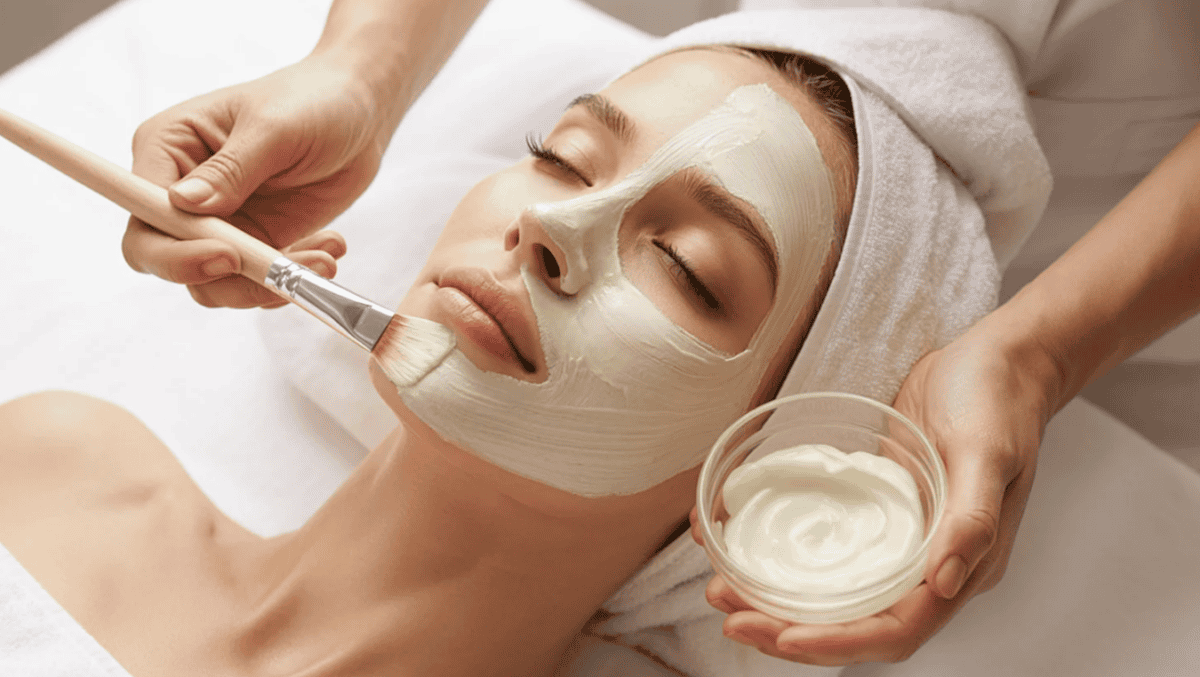
Clinic planning for non-surgical facial care sits at the intersection of anatomy, patient expectations, documentation, and operational control. A strong workflow helps teams decide when to treat, when to stage care, and when to defer.

That workflow also depends on legitimate supply systems. In that wider ecosystem, MedWholesaleSupplies is a B2B supplier serving licensed clinics and healthcare professionals. It provides brand-name medical products sourced through vetted distributors and verified supply channels for licensed clinics.

Define The Clinical Scope Before Treatment Is Discussed

In practice, facial aesthetic assessment planning is not a single procedure. It is the structured assessment of facial appearance, skin quality, movement, volume, proportion, and patient goals before any intervention is selected. For clinics, the key question is not simply what can be done, but what is appropriate, safe, and likely to meet the stated concern.

It also helps to separate roles within the team. An esthetician typically focuses on skin assessment, non-invasive skin treatments, treatment preparation, and aftercare support within local rules. Facial aesthetic assessment, prescribing, injectable treatment, and management of complications usually sit with licensed clinicians whose scope permits those activities. Clear handoffs reduce confusion for patients and staff.

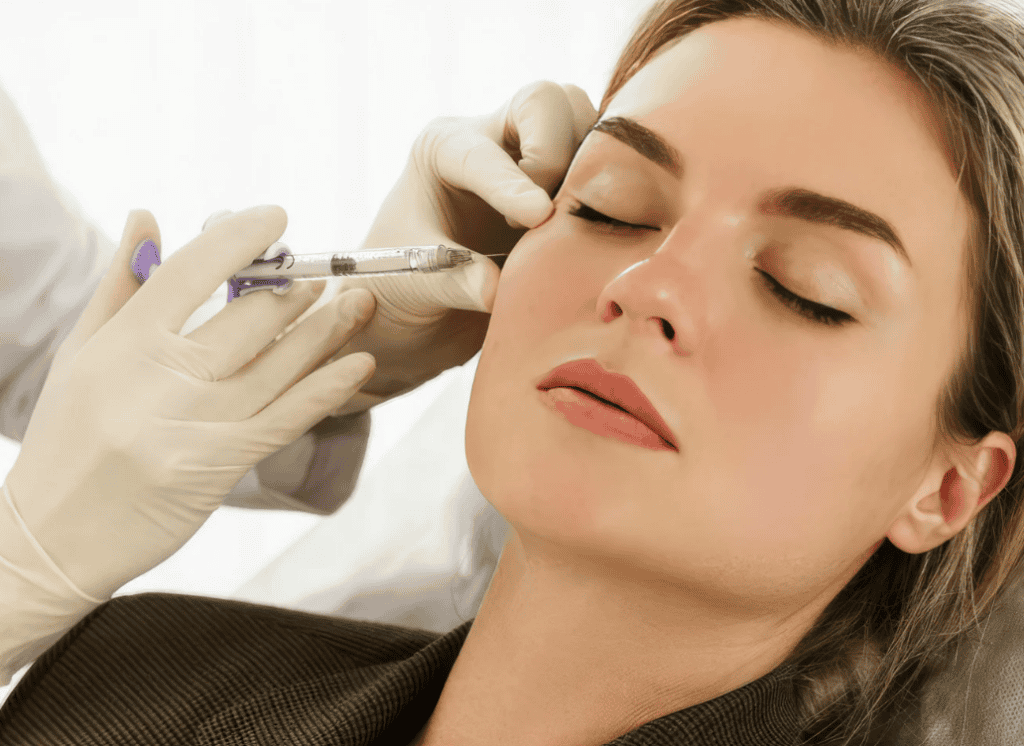
facial aesthetic assessment

Assessment Should Uncover Fit, Risk, and Timing

The first consultation should test suitability, not just interest. Clinics usually review medical history, allergies, prior procedures, current medicines, skin disease, scar tendency, and any history that may change bleeding, healing, or infection risk. Previous aesthetic work matters because old filler, thread placement, or energy-based treatment can alter anatomy and response.

Expectation setting is equally important. Some patients describe a single feature, but the underlying issue may be broader volume loss, asymmetry, laxity, or skin texture change. Others may want same-day treatment when a staged plan or a cooling-off period would be safer. If goals are unrealistic, poorly defined, or out of proportion to the findings, deferral is a clinical decision, not a failed conversion.

Skin preparation questions should be asked early. Topical retinoids, exfoliating acids, recent waxing, peels, laser sessions, and inflamed acne can all affect barrier function and treatment timing. A routine facial may need to be modified or delayed for a patient using retinol if irritation is present, especially when the clinic is also considering resurfacing or other procedures that stress the skin.

Standardized photography and facial analysis help turn a subjective consultation into a documented baseline. Consistent lighting, resting and animated views, and notes on asymmetry or dynamic movement make later review more reliable. This also supports consent, audit, and outcome discussions.

Plan By Anatomy And Sequence, Not By Isolated Complaints

Good plans are usually built around the main driver of change rather than the most visible symptom. A complaint about lower-face heaviness may reflect midface support loss. Perioral lines may be worsened by movement patterns, skin quality, smoking history, or volume depletion. Treating a single line or fold without considering surrounding structures can create imbalance.

For that reason, many clinics use staged plans. One visit may address priority anatomy, while a later review considers whether the initial change altered the need for further treatment. This approach supports conservative endpoints and makes it easier to detect early adverse effects. It also reduces the pressure to solve a complex aesthetic concern in one session.

Documentation should record the clinical rationale, the order of treatment zones, the alternatives discussed, and the reasons for any decision to defer. In a well-run service, the plan also reflects function. Lip competence, eyelid position, lower-face movement, prior surgery, and dental or occlusal factors may all matter when appearance concerns sit close to functional anatomy.

undergoing facial aesthetic assessment

Consent And Workflow Are Part Of The Safety Case

Consent is more than a signed form. Patients need a clear explanation of intended effect, likely limits, recovery expectations, common side effects, and the clinic’s escalation plan for urgent complications. They should also understand that symmetry is rarely perfect, results may evolve over time, and additional review may be needed before any further intervention is considered.

Operational workflow should make safe practice visible. Many clinics use pre-visit screening, treatment checklists, standardized photography, batch or lot recording, sharps protocols, and written aftercare instructions. For higher-risk treatments, emergency medicines, escalation pathways, and staff drills should be defined before the clinic session begins, not improvised when a problem occurs.

If a service includes both medical treatments and spa-style skin care, scheduling rules should be explicit. Retinoid use, recent exfoliation, active dermatitis, or recent energy-based treatment may affect whether a facial, peel, or injectable session proceeds that day. This is where team communication matters: estheticians, nurses, prescribers, and front-desk staff all need the same version of the plan.

Governance, Follow-Up, and Supply Controls Support Better Outcomes

Technique matters, but governance often determines whether a clinic is consistently safe. That includes training standards, supervision, written protocols, incident review, and a low threshold for escalation when symptoms fall outside the expected course. Follow-up windows should match the treatment given and the risks involved, rather than serving as a routine courtesy alone.

Product governance is part of the same system. Clinics need clear records for sourcing, storage conditions, expiry checks, stock rotation, and lot traceability. Verified supply channels help support authenticity and recall readiness, while poor record keeping can complicate both patient care and regulatory response. These controls are especially important in services where multiple injectables, devices, and skin products may sit in the same workflow.

Access to safe care is also shaped by the wider service model. Local regulation, prescriber availability, staff competency, emergency backup, and aftercare capacity can all limit what a clinic should offer, even when patient demand exists. In that sense, planning is not only about the face in front of the clinician. It is also about whether the service around that patient is robust enough to support treatment and follow-up.

A Realistic Endpoint For Clinic Planning

The most durable facial aesthetic plans are usually modest, staged, and well documented. They prioritize anatomy, suitability, and consent over speed, and they treat deferral as a normal part of care when risk, timing, or expectations do not align. For clinics, that mindset is often the clearest marker of maturity.

Medical disclaimer: This content is for informational purposes only and is not a substitute for professional medical advice.

EMDR Therapy vs Traditional Talk Therapy: Trauma & The Difference

EMDR Therapy vs Traditional Talk Therapy: Trauma & The Difference

Choosing therapy can feel overwhelming when trauma shapes daily life, relationships, and mental health. This guide explains EMDR vs traditional talk therapy and how therapists tailor structured plans. For timely support, consider PTSD treatment in Massachusetts to explore options that fit your needs, symptoms, and readiness for change.

Introduction to Therapy Options

Therapy offers multiple paths for trauma recovery, exploring emdr therapy vs traditional talk therapies. EMDR focuses on reprocessing traumatic memories with bilateral stimulation, while talk therapy builds insight and coping skills. Knowing how emdr works, how traditional therapy supports emotional regulation, and where they differ significantly empowers informed choices.

EMDR Therapy vs Traditional Talk

Overview of EMDR Therapy

Eye movement desensitisation and reprocessing, developed by Francine Shapiro, is a structured therapy that uses bilateral stimulation—often eye movements, taps, or tones—to help the brain reprocess distress. EMDR targets traumatic memories to reduce emotional intensity without requiring detailed retelling. EMDR can help with ptsd, anxiety, and related symptoms, and emdr doesn’t require detailed retelling, which some clients find safer during a therapy session.

Overview of Traditional Talk Therapies

Traditional talk therapy includes cognitive behavioural therapy (CBT), psychodynamic therapy, humanistic therapy, and dialectical behaviour therapy (DBT). These psychotherapy models explore thoughts, emotions, behaviours, and relational patterns. Traditional therapy encourages insight and the development of coping strategies across ongoing sessions with a therapist.

  • Cognitive Behavioural Therapy (CBT): Builds practical skills
  • Psychodynamic Therapy: Explores roots
  • Humanistic Therapy: Emphasizes growth
  • Dialectical Behavior Therapy (DBT): Develops emotional regulation

Importance of Addressing Trauma

Untreated trauma can sustain distress, trigger symptoms of ptsd, and disrupt daily functioning. Early therapy intervention supports trauma recovery by reprocessing mechanisms, strengthening emotional regulation, and reducing avoidance. EMDR directly targets traumatic memories with bilateral stimulation; talk therapy builds coping and integration. Addressing trauma improves mental health, relationships, and resilience, offering practical routes to sustained healing and growth.

Understanding EMDR Therapy

EMDR is particularly effective for trauma because emdr uses bilateral attention to help the nervous system integrate memories. In comparisons with traditional talk therapy, the difference between EMDR lies in its protocol-driven focus on memory networks.

Clients progress through phased EMDR protocols to align therapy and traditional talk therapy insights with targeted processing to transform meaning and reduce reactivity.

What is EMDR?

EMDR stands for eye movement desensitization and reprocessing. It is a psychotherapy developed by Francine Shapiro that addresses traumatic memories by pairing recall with bilateral stimulation, such as eye movements.

EMDR focuses on how experiences are stored, helping reprocess stuck material. Unlike many talk therapies, EMDR doesn’t require extended narrative detail, making it particularly effective when discussing events that feel overwhelming or increase distress during a therapy session.

How EMDR Works

During emdr sessions, the therapist activates a target memory while guiding bilateral stimulation. EMDR uses bilateral inputs to engage adaptive information processing, so the brain links the trauma to healthier beliefs.

Clients often experience decreasing activation, new insights, and improved emotional regulation. This structured therapy differs significantly from psychodynamic or CBT dialogue, prioritizing reprocess mechanisms over analysis while integrating cognitive shifts naturally.

Benefits of EMDR Therapy

EMDR can rapidly reduce PTSD symptoms and the emotional intensity of traumatic memories. Clients often report faster relief, improved behavioral flexibility, and durable change. EMDR helps consolidate adaptive beliefs without exhaustive retelling, supporting safety. Compared with talk therapy approaches like CBT, emdr offers focused memory processing, efficient symptom reduction, and enhanced readiness for traditional therapy skills.

Exploring Traditional Talk Therapies

Traditional talk therapies remain central to trauma recovery because they offer structured conversations that cultivate insight, coping, and emotional regulation. In EMDR, compared with other therapies, therapy and traditional talk therapy emphasise understanding patterns and practising skills in each therapy session. A therapist tailors modalities like CBT, psychodynamic, humanistic, and DBT to your goals, integrating behavioral tools and reflection. While EMDR focuses on traumatic memories with bilateral stimulation, talk therapy explores meaning, relationships, and daily functioning, which can differ significantly yet complement EMDR.

Common Types of Traditional Talk Therapies

Common traditional talk therapies include cognitive behavioral therapy (CBT), psychodynamic therapy, humanistic therapy, and dialectical behavior therapy (DBT). These psychotherapy approaches allow a therapist to pace processing when traumatic memories feel intense, offering steady support alongside or before EMDR sessions if needed.

  • CBT: Targets thoughts and behaviors
  • Psychodynamic: Addresses trauma roots
  • Humanistic: Centers growth
  • DBT: Builds mindfulness and emotion skills

Effectiveness of Talk Therapy for Trauma

Talk therapy stabilizes symptoms, builds regulation, and prepares clients for deeper trauma processing. A therapist may use CBT to challenge beliefs, psychodynamic therapy to surface themes, and DBT to manage distress. For timely help, explore PTSD treatment in Massachusetts at grandrisingbehavioralhealth.com/ptsd-treatments. While EMDR can help rapidly reduce activation, emdr and talk therapy together often yield durable change by pairing skills, insight, and meaningful life adjustments supporting mental health.

Limitations of Traditional Talk Therapies

Talk therapy can be slower and may intensify distress when retelling trauma without targeted reprocessing. Without targeted reprocess methods, avoidance can persist, and what’s the difference in speed versus EMDR becomes clear. Talk therapy sometimes struggles to access nonverbal memory networks that EMDR uses bilateral stimulation to reach. A therapist may therefore combine EMDR with traditional talk therapy to address stuck points and accelerate integration.

Comparing EMDR and Traditional Talk Therapy

EMDR is a protocol-driven memory-processing approach; talk therapy is exploratory dialogue and skill-building. EMDR focuses on memory networks using eye movements and other bilateral inputs within a structured therapy protocol developed by Francine Shapiro. Talk therapy leverages dialogue for meaning-making and skills. Both aim to improve mental health, reduce distress, and enhance functioning. Together, EMDR and traditional talk can align to support comprehensive trauma recovery pathways.

  • EMDR
  • Protocol-driven memory processing
  • Uses eye movements and other bilateral inputs
  • Developed by Francine Shapiro
  • Traditional talk therapy
  • Exploratory dialogue for meaning-making
  • Skill-building and coping strategies

Both approaches aim to improve mental health, reduce distress, and enhance functioning, and can be aligned to support comprehensive trauma recovery pathways.

Key Differences Between EMDR and Talk Therapy

EMDR uses bilateral stimulation to reprocess trauma without an extended narrative. Talk therapy relies on conversation, analysis, and practice, with CBT being behavioral, psychodynamic exploring roots, and humanistic emphasizing growth. EMDR works through targeted sets in emdr sessions; talk therapy evolves through ongoing insight. The difference between emdr and talk is protocol-driven processing versus exploratory dialogue that builds complementary outcomes.

Situations Where EMDR is Preferable

Choose EMDR when memories are overwhelming, fragmented, or hard to verbalize. EMDR focuses on stuck memory networks, and emdr uses bilateral stimulation to accelerate adaptive learning. Clients who find storytelling difficult may prefer that EMDR doesn’t require exhaustive detail. EMDR can help quickly reduce ptsd symptoms, shame, and hyperarousal, preparing clients to use traditional therapy skills more effectively afterward, or to consolidate gains when progress has plateaued.

Comparing EMDR Therapy vs Traditional Talk

Situations Where Talk Therapy is More Suitable

Choose talk therapy for gradual exploration, relationship themes, and daily coping skills. Cognitive behavioral therapy can target current beliefs and behaviors; psychodynamic therapy clarifies patterns; dialectical behavior therapy builds distress tolerance.

A therapist may start with traditional therapy to stabilize safety, strengthen emotional regulation, and define goals before EMDR. For complex life changes, therapy and traditional talk therapy sustain integration after EMDR’s rapid symptom reduction.

Frequently Asked Questions

Navigating emdr vs traditional talk therapies often raises practical questions about process, timing, and fit. Early in your search, consider local options such as PTSD treatment in Massachusetts to connect with a therapist who can tailor psychotherapy. EMDR differs significantly in method (bilateral stimulation) while talk therapy emphasizes dialogue and skills, and both can support ongoing trauma recovery and mental health.

What is the Difference Between EMDR and Traditional Talk Therapy?

EMDR is structured, uses bilateral stimulation, and targets traumatic memories directly. Traditional talk therapies like CBT, psychodynamic, humanistic therapy, and dialectical behavior therapy emphasize dialogue, skills, and insight. EMDR doesn’t require an exhaustive narrative; talk therapy explores patterns and behaviors. Together, emdr and talk therapy can complement each other across a therapy session.

How Effective is EMDR for PTSD?

EMDR is highly effective for PTSD, often working in fewer sessions to reduce intrusions and hyperarousal. Studies show EMDR helps decrease hyperarousal, intrusive traumatic memories, and negative beliefs, often achieving change in fewer emdr sessions than behavioral or psychodynamic approaches alone.

While EMDR focuses on memory networks, therapy, and traditional talk therapy can consolidate gains, improve emotional regulation, and support life adjustments, making combined care a strong path for trauma recovery.

Which Therapy is Right for Me?

Match therapy to your goals: EMDR for targeted reprocessing; talk therapy for skills and insight. If memories feel overwhelming, EMDR focuses on targeted processing and uses bilateral stimulation to reduce activation; if you need skills or relational insight, cognitive-behavioural therapy, psychodynamic, or humanistic therapy may fit.

Many benefit from emdr and traditional talk therapy in sequence or integration, guided by a therapist who tailors psychotherapy to your mental health needs.

Conclusion

EMDR works directly with memory networks; talk therapy builds insight, skills, and meaning. Embracing emdr and traditional talk therapy together often yields durable outcomes. With a thoughtful therapist and clear goals, structured therapy can reduce distress, strengthen emotional regulation, and support long-term trauma recovery and improved mental health.

Final Thoughts on EMDR vs. Traditional Talk Therapy

Use EMDR for acute processing and talk therapy for consolidation and behavior change. Traditional talk therapies, including CBT, psychodynamic therapy, humanistic therapy, and dialectical behavior therapy, remain essential for behavioral change, reflection, and integration.

Rather than either-or, consider timing and dosage: EMDR for acute processing, therapy, and traditional supports for consolidation. A collaborative plan often proves particularly effective and can differ significantly person to person.

Resources for PTSD Treatment in Massachusetts

Seek providers trained in both EMDR and evidence-based talk therapies such as cognitive behavioral therapy or psychodynamic. Seek providers who explain the difference between emdr and talk, outline session pacing, and coordinate care across modalities.

Community mental health centers, trauma-focused groups, and private practices offer options; verify training in EMDR, DBT, or humanistic therapy to match goals and ensure access to integrated, structured therapy for ptsd.

Encouragement to Seek Professional Help

Early, guided care accelerates recovery and builds resilience. If you’re uncertain where to start, consult a therapist for an assessment and ask how EMDR focuses on reprocessing mechanisms rather than traditional therapy’s skills-based approach.

Early support reduces suffering and builds resilience. Whether you choose EMDR, CBT, psychodynamic, or a blended path, consistent psychotherapy within safe, well-planned therapy sessions can restore stability, improve mental health, and help life feel workable again.

What Nurse Leaders Do Differently on the Hardest Days

Some shifts feel heavy from the moment you walk in. You may be down a nurse, call lights won’t stop, and patients need more than you have time to give. Add a family that’s upset, a doctor who wants updates every five minutes, and a new admit arriving with complex needs, and it can feel like you’re drowning.

On days like that, teams don’t need a perfect leader. They need someone steady. The best nurse leaders don’t magically avoid stress. They simply respond to it differently. They stay focused, protect patient safety, and keep the team working together even when things feel chaotic. Let’s look at the specific habits that help them do it.

Staying Steady When Things Spin

Great nurse leaders don’t wait to “feel calm” before they lead. They choose calm because they know the team will copy their tone. When stress hits, they keep their face relaxed and their voice even.

They don’t rush their words, and they avoid snapping back when someone seems short-tempered. That doesn’t mean they move slowly. They just move with control. They also keep their thoughts simple. Instead of replaying everything that could go wrong, they focus on the next safe step.

Many nurses build this control through experience, but others develop it faster through an online Masters in Nursing, where they practice leadership communication, decision-making, and how to guide a team under pressure. If the unit feels tense, a strong leader gives the team a quick reset by saying something like, “We’re going to take this one patient at a time.” That small shift helps everyone breathe and stay focused.

Facts First, Emotions Second

On hard days, people often react fast without having the full story. Strong leaders slow down just enough to get the facts. They ask direct questions like, “What changed?” or “What’s the biggest risk right now?” They don’t get pulled into side conversations or opinions that don’t help. They also know the difference between a real emergency and a stressful inconvenience.

For example, a family complaint feels urgent, but a patient with a new symptom needs attention first. Nurse leaders also watch for confusion in the room. If two people give different reports, they clarify right away instead of assuming it will sort itself out. Clear facts reduce fear and prevent mistakes.

Clear Communication That Cuts Stress

When the unit gets busy, long explanations can make things worse. Nurse leaders speak in short, clear sentences that everyone understands. They give one direction at a time and make sure the right person heard it. They don’t shout across the hall or rely on people “probably knowing.”

They also repeat key updates so the message stays consistent, especially during shift changes or fast patient changes. A good leader will say, “Here’s what matters most right now,” and then list only the top priorities. They also keep their tone respectful, even when they need to be firm. That balance helps the team feel guided instead of judged, which keeps work moving.

Smart Priorities That Protect Patients

Hard shifts come with a long list of tasks, but not every task matters equally in the moment. Strong nurse leaders help the team sort what truly needs attention first. They look for anything that could harm a patient if delayed, like breathing changes, unstable vitals, medication timing, or safety risks.

Then they help staff handle the rest in a realistic order. They also challenge “busy work” when the unit needs focus. If someone starts cleaning up paperwork while alarms go off, a good leader will redirect them without shaming them. Leaders also think ahead. They plan for what could happen next, such as a discharge, a transfer, or a likely decline, so the team isn’t caught off guard.

Delegation Without Dumping Work

Some leaders try to do everything themselves when things go wrong. That may look helpful, but it often backfires. The team loses direction, and the leader burns out faster. Strong nurse leaders delegate early and clearly. They match tasks to skill level instead of handing off whatever they don’t want to do. They also check in without hovering.

For example, they might say, “Can you handle the new admit assessment? I’ll call the provider and update the family.” That kind of teamwork feels fair and efficient. Good leaders also stay available. If a nurse looks overwhelmed, they step in to remove obstacles, not to take control. That builds trust and keeps the unit working smoothly.

Speaking Up For The Nursing Team

On the hardest days, leaders often need to advocate just as much as they need to manage tasks. They speak up when the workload becomes unsafe, when supplies run low, or when the unit needs more support. They don’t wait until something goes wrong. They contact the right person early, such as a supervisor, staffing office, or charge nurse on another unit.

They also communicate clearly with providers when the team cannot meet unrealistic demands in the moment. Advocacy can be as simple as saying, “We can do that, but it will take time because we’re handling urgent patient needs first.” Good leaders also protect staff from blame. They focus on solutions, document concerns, and keep conversations professional.

Managing Tough Family Conversations Calmly

Upset families often feel scared, ignored, or confused. Nurse leaders understand that emotions may come out as anger, especially when families don’t know what to expect. On hard days, leaders stay calm and listen before responding.

They avoid arguing or matching the family’s tone. Instead, they validate the concern without making promises they can’t keep. They say things like, “I hear that you’re worried, and I want to help.”

Then they explain the situation in plain language and give a realistic next step. If a family wants constant updates, the leader sets a plan, such as agreed-upon times for check-ins. They also involve the care team when needed, especially for complex decisions.

The hardest days in nursing test everything at once: time, teamwork, safety, and emotions. Strong nurse leaders don’t fix every problem, but they keep the unit stable when pressure rises.

They manage conflict early, advocate for nurses, and communicate clearly with families. They also stay organized so important details don’t slip through. Most importantly, they recover after tough shifts instead of carrying the stress into the next day.

These habits don’t require a special personality. They come from awareness, practice, and the decision to lead with control instead of chaos. When nurse leaders stay steady, the whole team works better, patients stay safer, and the unit feels less overwhelming even when the work stays hard.

Fertility Test: A Key Step in Reproductive Health

Fertility plays a critical role in overall health and well-being. Couples and individuals planning to start a family often face uncertainty and questions about reproductive readiness. Modern medical tools, such as the fertility test, provide accurate insights into reproductive potential, offering a practical approach for informed decision-making. These assessments evaluate hormone levels, ovarian reserve, sperm quality, and other essential factors, creating a clear path toward effective family planning.

How Fertility Tests Improve Reproductive Planning

Fertility tests help identify obstacles that might affect conception. For women, evaluations include hormone panels, ultrasound imaging of reproductive organs, and ovarian reserve assessments. These tests reveal important information about ovulation cycles, egg quality, and potential reproductive health issues. For men, semen analysis examines sperm count, motility, and morphology, providing a complete picture of male reproductive health.

Benefits of fertility testing include:

  • Early detection of potential reproductive issues
  • Guidance for personalized medical treatments or interventions
  • Support for strategic family planning decisions
  • Reduced uncertainty and stress during conception efforts

With precise results, healthcare professionals can recommend targeted interventions or lifestyle adjustments, significantly improving chances of successful conception.

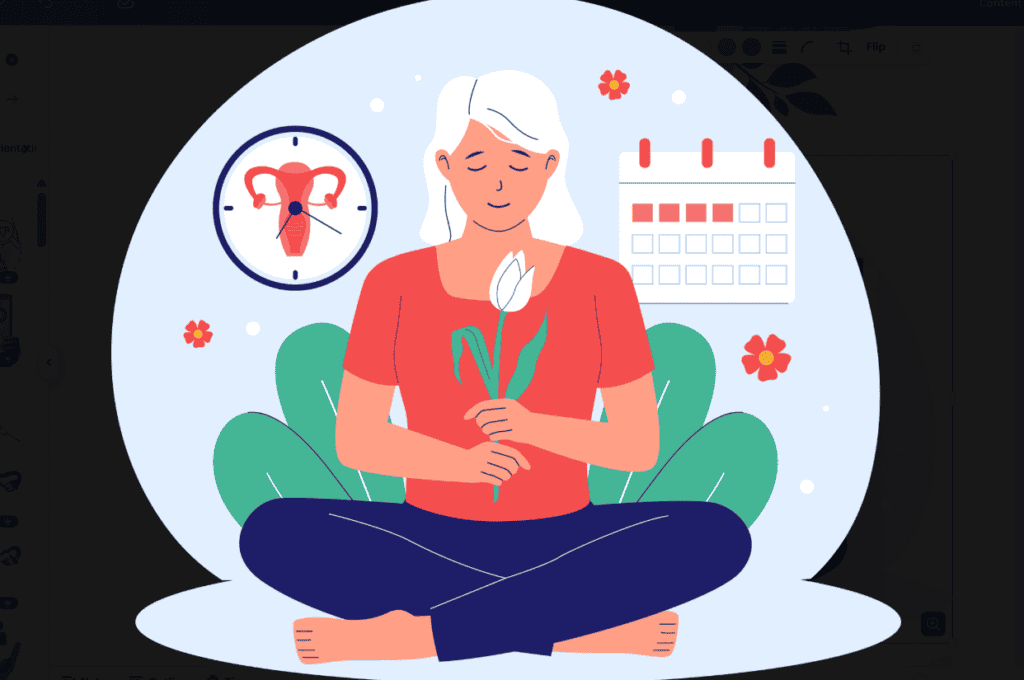
fertility test

The role of emotional health in fertility

Emotional wellness has a direct impact on reproductive outcomes. Stress, anxiety, and emotional strain can disrupt hormone regulation and negatively affect fertility. Chronic stress may interfere with ovulation in women and sperm production in men. Integrating emotional support, therapy, or mindfulness practices can enhance overall reproductive function and create a more supportive environment for conception.

Key strategies to support emotional well-being include:

  1. Regular counseling or therapy sessions
  2. Stress-reduction techniques such as meditation or breathing exercises
  3. Support from community groups or online forums
  4. Open communication between partners regarding fertility challenges

Lifestyle Factors That Affect Fertility

Daily habits influence reproductive health in meaningful ways. Poor nutrition, lack of physical activity, irregular sleep, smoking, and excessive alcohol consumption can reduce fertility levels. In contrast, balanced diets rich in vitamins and minerals, regular exercise, proper rest, and mindfulness practices support reproductive function. Maintaining a healthy weight, reducing exposure to environmental toxins, and managing chronic conditions further optimize fertility.

Tips for lifestyle improvements to support fertility:

  • Maintain a balanced diet with essential vitamins and minerals
  • Engage in moderate physical activity most days of the week
  • Avoid smoking, excessive alcohol, and recreational drugs
  • Prioritize 7-9 hours of quality sleep per night
  • Incorporate stress-management practices such as yoga or mindfulness

Combining these lifestyle improvements with medical fertility assessments ensures a comprehensive approach that addresses both biological and lifestyle factors. For example, Mayo Clinic provides additional insights on lifestyle factors that influence fertility, offering trusted recommendations for both men and women.

Age and Fertility Considerations

Age is a significant factor in reproductive health. Women experience a notable decline in fertility after their mid-30s, while men may see a gradual decrease in sperm quality over time. Fertility tests provide a realistic assessment of reproductive timing and help individuals make strategic decisions regarding conception, family planning, or interventions such as in vitro fertilization (IVF) or intrauterine insemination (IUI). Early evaluation allows for timely action, reducing uncertainty and increasing the likelihood of positive outcomes.

Advances in Fertility Testing Technology

Fertility testing technology has become more precise and accessible than ever. Modern options include at-home hormone kits, genetic screenings, and advanced imaging techniques that provide detailed information in a convenient format. While technological advances allow for greater access, consulting healthcare professionals ensures accurate interpretation of results and creation of an effective reproductive plan. Combining advanced diagnostics with expert guidance provides both clarity and confidence for individuals planning a family.

Emotional Support and Community Engagement

Fertility challenges often come with emotional stress. Support networks, counseling, and educational resources help individuals and couples manage these challenges and maintain a positive outlook. Approaching fertility as a holistic process that includes mental health, lifestyle adjustments, and medical evaluation produces the best outcomes.

Ways to strengthen emotional support during fertility planning:

  1. Join local or online fertility support groups
  2. Engage in regular counseling or therapy sessions
  3. Participate in workshops or webinars focused on stress management
  4. Share experiences openly with your partner or close friends

Choosing the Right Fertility Test

Selecting the appropriate fertility test depends on individual needs, health history, and personal goals. Professionals evaluate factors such as age, reproductive health history, and current medical conditions when recommending tests. The fertility test offered at Miracare provides detailed results with clear guidance, helping individuals and couples take practical steps toward parenthood. Accurate testing supports timely interventions and informed decision-making, giving people confidence in their family planning journey.

Conclusion

Fertility tests represent an essential tool in modern reproductive health. They provide precise data, guide decision-making, and improve the likelihood of successful conception. Integrating medical assessments with lifestyle management and emotional support creates a holistic approach to fertility that addresses both body and mind. 

Starting with a reliable fertility test offers clarity, confidence, and actionable guidance for couples and individuals planning a family. With proper evaluation, support, and care, reproductive health can be optimized, creating a positive foundation for parenthood.

From Trauma to Acceptance: Psychological Healing After a Mesothelioma Diagnosis

A mesothelioma diagnosis often brings a flood of emotions that can leave patients and their families feeling overwhelmed, frightened, and uncertain about the future. Beyond the physical toll of this rare and aggressive cancer, the psychological impact can be equally profound. The journey from trauma to acceptance is not easy, but it is possible with the right support systems, coping strategies, and compassionate care. Read on to explore these in detail.

Understanding the Initial Trauma of A Mesothelioma Diagnosis

Hearing the words “You have mesothelioma” can trigger an emotional shock similar to post-traumatic stress. Fear of death, anger over asbestos exposure, and anxiety about treatment or finances all contribute to mental distress. Many veterans and industrial workers who develop mesothelioma feel betrayed by employers or systems that exposed them to asbestos without proper protection. This betrayal can deepen feelings of helplessness and mistrust.

In some cases, survivors pursue legal assistance to hold responsible parties accountable and secure compensation for medical costs. Here, working with a local lawyer like this Ohio mesothelioma attorney can help you in the process. These professionals can help patients seek justice and provide a sense of closure and control in an otherwise unpredictable situation. Legal action can serve as an empowering step toward emotional recovery, allowing individuals to focus more fully on their health and mental well-being.

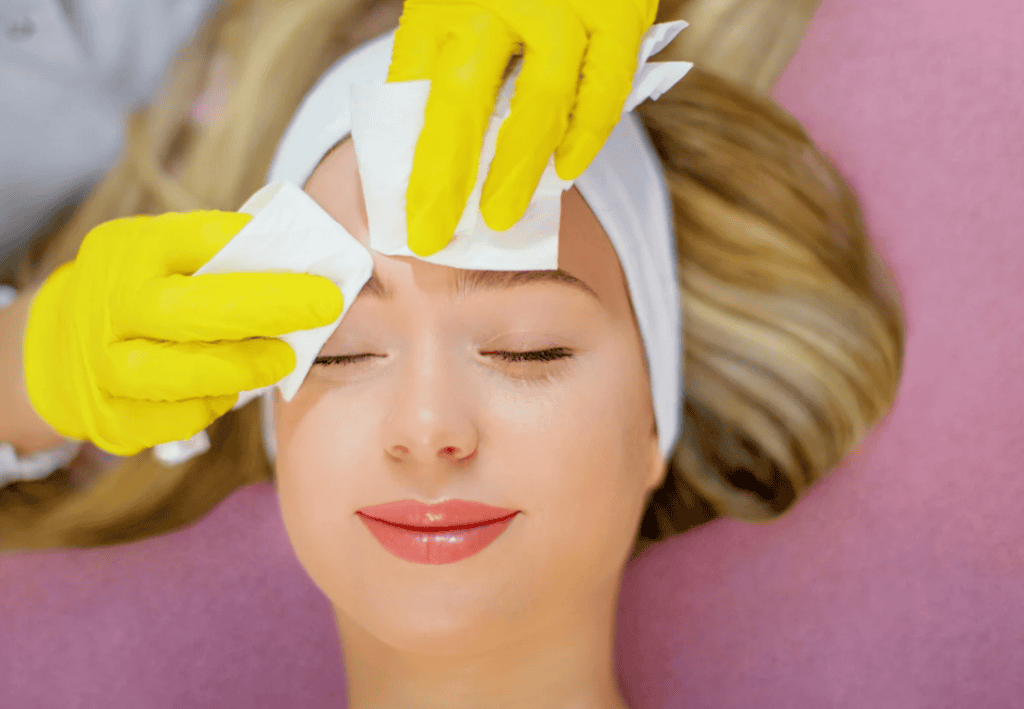
psychological healing after Mesothelioma Diagnosis

The Emotional Journey: Grief, Anger, and Fear

Psychologists often describe the emotional response to a terminal illness as a process similar to grief. Patients may experience denial, anger, bargaining, depression, and finally, acceptance. Each stage reflects the human attempt to make sense of a life-altering diagnosis.

  • Denial: Many patients initially struggle to believe their diagnosis, avoiding discussions about their illness.
  • Anger: Frustration may arise toward employers, doctors, or fate itself.
  • Depression: Feelings of sadness, loss, or hopelessness often follow as reality sets in.
  • Acceptance: Gradually, patients begin to integrate their illness into their life story, finding meaning and peace.

Understanding that these emotions are natural and not signs of weakness helps patients and caregivers navigate the journey with greater compassion. Mental health professionals can play a key role in guiding patients through these stages with therapeutic approaches such as cognitive behavioral therapy (CBT), mindfulness-based stress reduction, and supportive counseling.

The Role of Psychological Support

Psychological healing doesn’t happen overnight; it requires continuous emotional support, communication, and empathy. Psychologists and counselors can help patients manage anxiety, fear of death, and emotional pain. Group therapy, especially with others facing mesothelioma or similar illnesses, fosters a sense of connection and shared understanding. For veterans, support groups that integrate both medical and psychological care can be life-changing, helping them process trauma from both military service and illness.

Caregivers also experience emotional strain. Providing around-the-clock care while witnessing a loved one’s suffering can lead to compassion fatigue and burnout. Professional counseling and respite care are essential to preserve caregivers’ mental health.

psychological healing

Reaching Acceptance and Finding Meaning

Reaching acceptance does not mean giving up; it means finding peace despite the diagnosis. Acceptance allows individuals to reclaim agency over their emotional lives, prioritize meaningful activities, and nurture relationships. Many mesothelioma patients discover renewed purpose through advocacy, writing, or sharing their experiences to help others facing similar challenges.

Spirituality, gratitude, and reflection can also play important roles in psychological healing. Practices such as journaling, meditation, and spending time in nature encourage inner calm and resilience. Acceptance transforms fear into strength, allowing patients to focus on the quality, not just the quantity, of their remaining time.

Endnote

The path from trauma to acceptance after a mesothelioma diagnosis is deeply personal. It involves navigating grief, rediscovering purpose, and finding emotional balance amid uncertainty. However, patients can courageously face mesothelioma with the combined support of mental health professionals, compassionate caregivers, and legal advocates. Healing the mind is just as vital as treating the body, and in that balance lies the true essence of recovery.

Shilajit an ancient supplement for mental health

People living in fast paced and workaholic life at present time has pushed anxiety and depression to extreme levels. Although common pharmaceutical medications are immediately prescribed for fast-acting and can help with acute anxiety symptoms alternative and long lasting ways are being sought out.

Among different supplements, Shilajit is preferred as one of the organic nature based healing and wellness elements. This tar-like substance extracted from the Himalayan Rocks promotes neurogenesis and support cognitive functions.

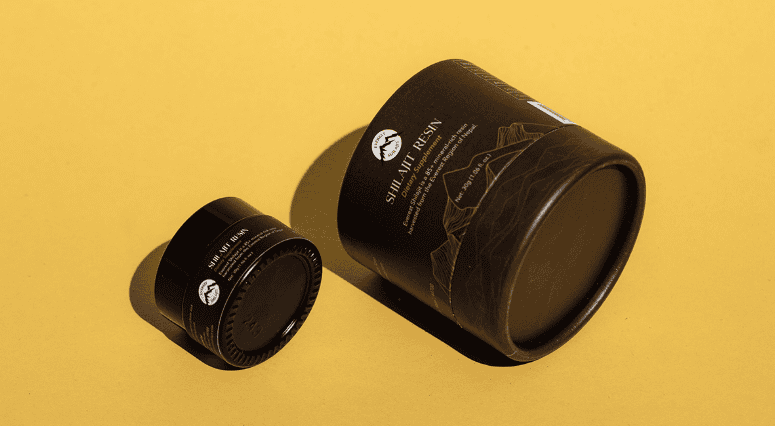
ancient supplement for mental health

What is Shilajit?

Shilajit is a mineral-containing ooze that is produced in hundreds of years as the result of the decomposition of plants and the work of microbes. It has fulvic acid, humic substances and more than 84 minerals within it. Among them iron, magnesium, zinc and potassium are the essential minerals that our body needs.

The Shilajit regulates brain neurotransmitters, reduces inflammation and enhances mitochondrial function. This plays a vital role in energy production, energy supply and mental wellbeing throughout the day. 

The most important nutrients present in Shilajit that helps to keep brain healthy are the following:

  • Fulvic acid: Fulvic acid has anti-oxidant and anti-inflammatory properties. It is able to preserve the brain cells against damages and helps in their improvement of mental capabilities.
  • Other trace minerals: These are the ones needed in the synthesis of neurotransmitters as well as overall brain metabolism.
  • Dibenzo-alpha-pyrones: The rare compounds can shield neurons and improve the performance of the mitochondria which is vital to energy generation in the brain cells.
Ancient supplement for mental health support

Mental Benefits of Shilajit (image)

  • Cognitive Enhancement
    There is little evidence of animal studies and some preliminary human studies which indicate shilajit can enhance memory, concentration and learning. Antioxidant activity assists in fighting the formation of oxidative stress in the brain, the most important factor leading to cognitive loss.
  • Anxiety Relief and Stress Relief
    Shilajit exerts adaptogenic effects which means that it assists the body to be able to tolerate stress. Shilajit might reduce anxiety levels and improve emotional balance by controlling the levels of cortisol and harmonizing the work of adrenal glands.
  • Antidepressant Potential
    Initial studies suggest there could be an antidepressant outcome, possibly as a result of shilajit effect of inducing the equilibrium of such neurotransmitters as dopamine and serotonin. They are brain chemicals that are significant in regulating the mood.
  • Neuroprotection
    The chronic inflammation and the presence of dysfunction of mitochondria are associated with such diseases as Alzheimer and Parkinson. The fulvic acid and other bioactive elements of Shilajit can be beneficial against these processes, the protective cover against these effects on the long-term health of the brain.

Scientific Evidence

Traditional use and some scientific reports can be taken into account, but there should be more high-quality studies in humans to validate the effect of Shilajit on mental health. Much existing evidence is based on animal experiments or smaller human studies, usually with conflicting findings.

As such, a single trial research carried out in Journal of Alzheimer and Disease indicated that fulvic acid in shilajit may help prevent the formation of tau proteins complicating the occurrence of Alzheimer disease.

Safety use of Shilajit

In the case of safety use of Shilajit we have covered the following ingredients.

  • Select supplements which are authentic and are of high quality standards
  • Other supplements or raw shilajit may also include heavy metals or contaminants.
  • Begin with low doses 
  • Always talk to the medical practitioner before using.
  • Watch out the side effects generally, well-tolerated, shilajit can produce allergic reactions or conflict with other drugs.

Final Thoughts

It is at this interesting place where medicine and modern neuroscience meet that Shilajit is found. Although it still requires more investigation, early studies and centuries of usage indicate that it has potential to become a natural aid to mental health. Like any supplement, it must be considered as an item of overall wellness approach that involves therapy, diet, exercise, and professional advice.

Journey to Recovery: Treatments for Gambling Addiction

Gambling is recognized as one of the oldest human activities in history of living. Most people misunderstand gambling and consider it as a fun activity or a moral vice.

At the beginning, you might not notice that gambling is a problem, but the reality hits after the addiction. The consequences are so clear and failure to seek help can completely affect your life.

Most people who have become addicted to gambling try to overcome the problem but the journey is not easy, especially if there is no one is there to hold your hand.

Gambling addiction is different in every person and each requires a unique treatment. That is why we are here to help you know different types of gambling treatments.

Available Treatments for Gambling Addiction

Therapy/Counseling

This is the most known gambling treatment that involves professional therapists with knowledge in gambling addiction. Gambling counselors have different qualifications depending on the specific area they deal with. They offer personalized helps to different needs of patients.

Gambling therapy can be offered in different settings such as group therapy, individual settings, and online counseling platforms. Therapists use different counseling approaches from motivational interviewing to cognitive behavioral therapy to self-guided interventions.

different treatments for gambling addiction

Peer Support

This type of treatment aims at encouraging the current gamblers by providing them with experience of people who have successfully quit gambling. Former gambling fellows guide those who are struggling with gambling and help them to navigate their recovery journey.

They give them ideas of what to do, what to avoid and how to withstand the urge to gamble based on their experience. This method helps a lot in encourage gamblers since they can see how the lives of their peers have changed. The fact that someone else was able to stop, they get encouraged that they will also manage to quit.

Outpatient Treatment Programs

The aim of outpatient treatment is to offer help to gamblers without interfering with their life. They don’t have to quit work or school, or stop their life for a moment in order to get help. They continue living their live normally as they receive help. People attend scheduled counseling sessions and continue with their lives.

Outpatient gambling program is suitable for people whose gambling problem is not severe. In most cases, these programs offer about 10 hours of structured programing every week. There are also other less intensive options that provide flexibility to allow patients to get treatment and still handle their daily responsibilities. 

Inpatient Treatment Programs

It is a type of gambling addiction treatment that involves holding patients in a hospital setting. Patients receive complete guidance and monitoring for 24 hours 7 days a week. These programs aim at providing close coordination services and treatments to individuals.

The objective is to offer a protective environment with support, medical stabilization, and treatments for the disorder. The patients are not exposed to the outside world and places that could trigger their urge to gamble.

treatment for gambling addiction

The Way to Recovery from Gambling Addiction

Gambling might seem fun at the beginning, but the reality of the problem hits you when you get addicted and start seeing the consequences. But all is not lost since there are gambling addiction treatments that can help deal with your problem. Select the right treatment depending on your unique problem to receive adequate healing. In some cases, it is right use more than two treatment methods for better results.

How Nurses Are Transforming Modern Healthcare from the Front Lines

Healthcare is changing fast, and nurses are stepping into more active roles. Once viewed mainly as support staff, they now lead clinical interventions, manage care plans, monitor patient progress, and play a central role in care coordination. 

Across hospitals, clinics, schools, and public health programs, nurses coordinate treatment, respond to emergencies, monitor complex conditions, and educate families. They also take on administrative and advocacy roles, helping improve protocols, reduce errors, and ensure that care is both efficient and compassionate.

Transforming Modern Healthcare

Rising to Meet Complex Healthcare Demands

Modern healthcare is under increasing strain. With an aging population, rising rates of chronic illness, rapid medical innovation, and persistent staffing shortages, the system is more demanding than ever. Nurses are often the ones holding it together, managing care, coordinating teams, and navigating the growing complexity of patient needs.

Frontline nurses regularly handle cases where multiple health issues intersect. A single patient may require medication for heart disease, wound care from recent surgery, and infection control precautions—all within the same shift. In these high-pressure situations, nurses must juggle competing priorities while staying alert to subtle changes that can signal serious complications.

What sets today’s nurses apart is not only their clinical expertise but also their ability to lead under pressure, communicate clearly, and offer emotional support.

It takes a rare blend of critical thinking, technical knowledge, and empathy to make the right call in real time—and still maintain a calm, reassuring presence for patients and families.

This growing complexity has also shaped how new nurses are being trained. For those seeking a faster yet intensive entry into the field, 12-month accelerated nursing programs offer a practical route.

These programs are tailored for career changers or those with a prior bachelor’s degree in another field, providing a focused path into nursing while still covering the depth required for today’s care challenges.

The Essential Role Nurses Play in Patient Care

No medical professional spends more time with patients than nurses. Their continuous presence at the bedside allows them to assess a patient’s evolving condition, track pain levels, administer medications, and provide emotional reassurance during tough moments.

This close contact means nurses often become the eyes and ears of the healthcare team. They notice things others might miss—unspoken discomfort, subtle behavioral shifts, or early signs of infection. Their input can guide treatment decisions and improve patient outcomes dramatically.

Beyond physical care, nurses are educators and translators. They help patients understand their medications, walk them through post-operative routines, and explain care plans in accessible terms. For many families, the nurse becomes a trusted advocate during what may be a stressful or confusing time.

Specialized Nurses Are Pushing the Profession Forward

While every nurse plays a key role in general care, many take on advanced or specialized responsibilities that require focused training and certification.

Here are just a few examples:

1. Critical Care Nurses (ICU/ER)

These professionals are trained to respond rapidly in life-threatening scenarios—stabilizing trauma victims, monitoring ventilators, administering IV drugs, and coordinating care during medical emergencies.

2. Surgical Nurses

Operating room nurses assist during complex procedures, ensure sterile environments, manage surgical tools, and monitor patients during recovery.

3. Pediatric and Neonatal Nurses

Working with children and infants requires not only clinical skill but also patience, emotional sensitivity, and specialized knowledge of developmental care.

4. Oncology Nurses

These nurses walk patients through treatment journeys that may last months or years, balancing emotional support with technical expertise in chemotherapy and symptom management.

5. Flight and Disaster Nurses

Whether evacuating critical patients by air or responding to natural disasters, these nurses are trained to operate in chaotic, high-risk situations with minimal resources.

These roles demand additional certifications, continuing education, and often years of hands-on experience. But they also place nurses at the cutting edge of modern care, where their decisions can mean the difference between life and death.

Modern Healthcare

Nurses as Peer Mentors and Team Supporters

The high-intensity nature of healthcare often leads to emotional fatigue, especially for professionals who deal with death, trauma, or high-stakes procedures daily. In such environments, nurses have developed strong peer support cultures—checking in on each other, providing emotional space after difficult cases, or mentoring younger staff members.

Many experienced nurses now act as preceptors, helping new graduates transition into full-time clinical roles. Others serve on hospital committees that improve communication and workflow between departments.

Driving System-Wide Improvements and Advocacy

Nurses are uniquely positioned to identify inefficiencies and propose improvements, because they’re in the thick of patient care. Increasingly, they’re bringing their firsthand insight into boardrooms, policy committees, and advocacy campaigns.

Some of the areas where nurses are leading change include:

  • Promoting safer staffing ratios to prevent overwork and patient neglect
  • Improving discharge processes to reduce readmissions
  • Streamlining digital recordkeeping for accuracy and speed
  • Advocating for funding in underserved areas or rural clinics
  • Revising infection control protocols to protect both patients and staff

In some regions, nurse-led initiatives have even influenced state legislation, hospital accreditation standards, and insurance practices. Their ability to speak from both a clinical and personal perspective gives them credibility that’s hard to ignore.

The Ongoing Need for Lifelong Learning

In a field where medical advancements happen rapidly, nurses must remain lifelong learners. Continuing education requirements ensure that their skills and knowledge stay sharp long after they graduate.

Many nurses pursue post-licensure certifications in areas such as:

  • Advanced Cardiac Life Support (ACLS)
  • Pediatric Advanced Life Support (PALS)
  • Wound care and ostomy management
  • Dialysis and nephrology nursing
  • Geriatric nursing

Simulation training is also becoming more popular. These high-tech labs allow nurses to practice high-risk procedures or emergency scenarios in a safe, controlled environment before performing them in real life.

Technology Is Reshaping How Nurses Work

Modern nurses must be comfortable with an expanding array of digital tools. From wearable monitors and portable imaging devices to robotic medication dispensers and AI-assisted diagnostics, technology is becoming more integrated into daily care routines.

Nurses are often responsible for managing these systems, training others to use them, and ensuring that patients are comfortable with new forms of treatment or monitoring. Those who develop expertise in healthcare technology may even serve as liaisons between the clinical staff and IT departments.

As virtual care expands, nurses are also adapting to telehealth roles, offering consultations and education via video calls, especially in remote or underserved communities.

Nursing has always been about care, compassion, and commitment. But today’s nurses are redefining what that means in powerful new ways. They are not only caregivers, but also innovators, educators, mentors, advocates, and strategic leaders within healthcare systems.

Whether stabilizing a trauma victim in an ICU, educating a family about home care, mentoring a new colleague, or helping redesign hospital workflows, nurses are at the forefront of healthcare delivery.

Their contributions extend far beyond what’s visible to patients. By investing in their training, supporting their well-being, and listening to their insights, we strengthen not only the nursing workforce but the entire healthcare system.